Engineered for high-altitude thermal comfort, seismic durability along the Rift Valley, and rapid deployment across East African construction sites.
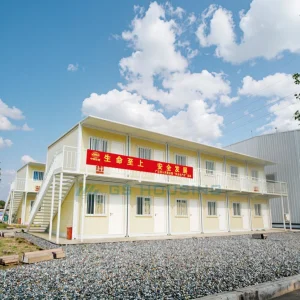
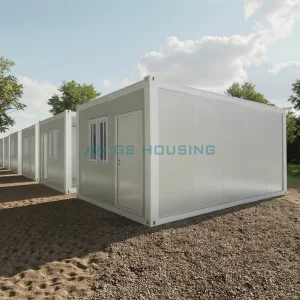
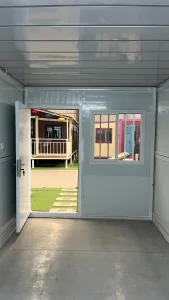
Rwanda is currently undergoing an unprecedented urban and economic transformation. Framed by the National Strategy for Transformation (NST1) and the Vision 2050 framework, the government has set aggressive targets for infrastructure development, industrial development, and urbanization. Major special economic zones like the Kigali Special Economic Zone (KSEZ) and the Bugesera Special Economic Zone have attracted massive regional manufacturing investments. In parallel, significant public works—such as the construction of the Bugesera International Airport and cross-border logistics networks—are shifting workforce demands to remote, high-concentration sites.
This rapid expansion poses a critical logistical challenge: how to house thousands of construction professionals, engineers, and support staff quickly, humanely, and in strict compliance with safety regulations. Traditional brick-and-mortar structures require lengthy planning cycles, high capital expenditure, and permanent environmental footprints that fail to align with dynamic, phase-based project schedules. Modern, steel-framed worker dormitory container houses represent the perfect technical solution, offering swift setup speeds, structural safety, and high-density, reusable configurations.
With real estate prices climbing in urban Kigali, renting municipal housing for large labor forces is no longer economically viable. Furthermore, in areas like Western Province, where major mining concessions (Coltan, Cassiterite, and Wolfram) operate along the Kivu belt, localized worker accommodations must withstand rugged terrain, high moisture levels, and unique regional climates.
Deploying modular building solutions globally requires meticulous alignment with target-market standards. In Rwanda, construction initiatives must adhere to the Rwanda Building Code (RBC), managed by the Rwanda Standards Board (RSB). Key parameters include structural integrity, fire prevention systems, localized environmental sustainability, and adequate occupant sanitation.
Rwanda's topography is characterized by rolling hills and mountainous regions. The Western Province borders the Albertine Rift Valley, a zone prone to moderate seismic activities. Our engineered modular structures feature reinforced cold-formed galvanized Q235B/Q345B steel frameworks, offering seismic resistance up to Magnitude 8 and a wind resistance capability of up to 120 km/h. This makes them highly secure structures for steep, high-altitude installations.
Kigali sits at approximately 1,500 meters above sea level, enjoying a mild, temperate tropical highland climate. However, high solar radiation during dry seasons demands smart insulation. Standard containers turn into ovens without proper thermal barriers. We provide customized panel thicknesses (50mm, 75mm, and 100mm) using high-density Rockwool (120kg/m³) or Polyurethane (PU) sandwich panels, achieving low heat transmission (U-value < 0.40 W/m²K) to ensure cool daytime interiors and warm nights without excessive air-conditioning costs.
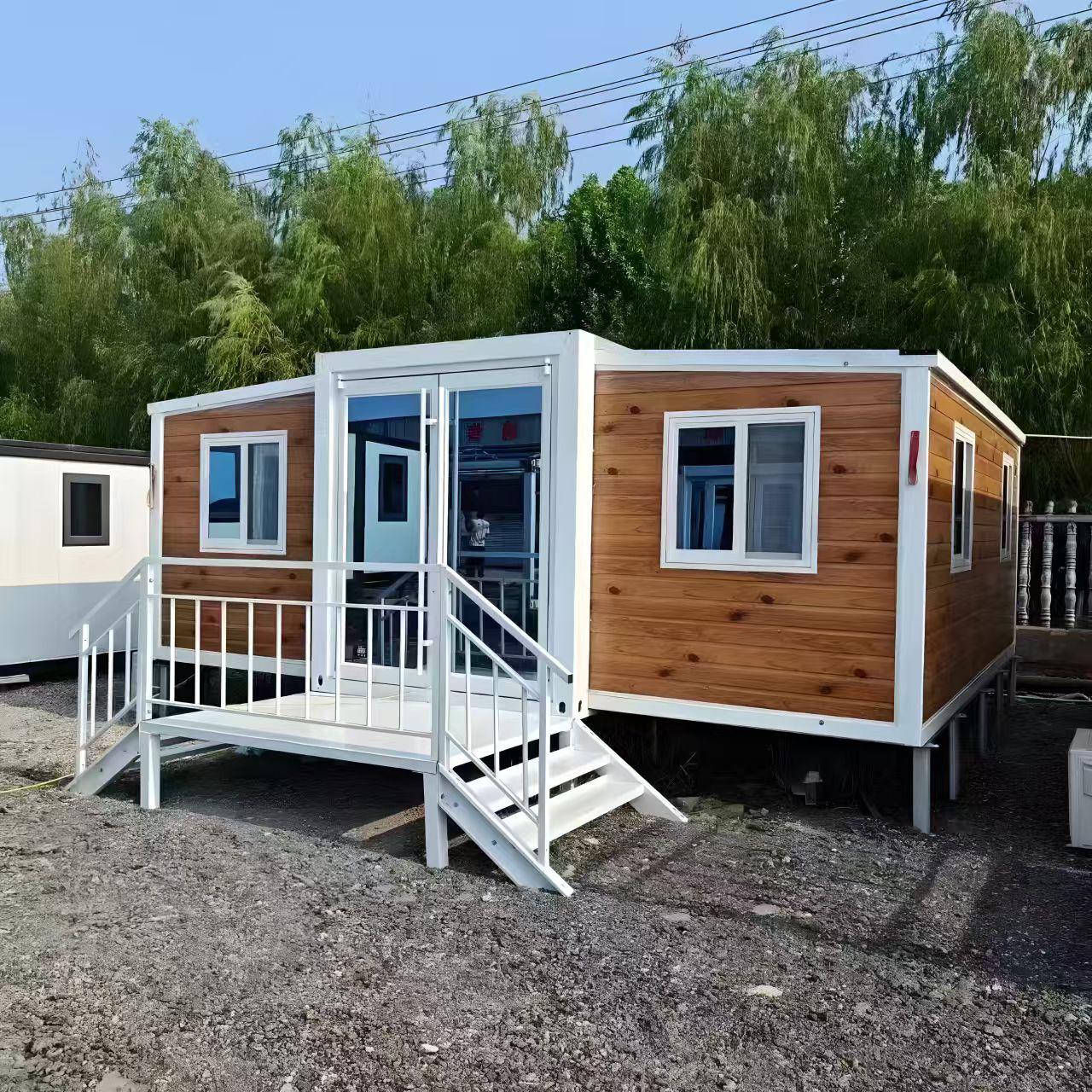
Rwanda experiences intense seasonal rainfall (long rains from March to May). Modular structures must incorporate advanced, high-volume roof drainage designs. Our container units are designed with an integrated internal water column system. Rainwater flows from the sloped roof profile into concealed corner gutters and is funneled through the hollow structural pillars. This protects wall panels from corrosion, maintains structural longevity, and allows developers to easily route runoff into rainwater harvesting tanks, fulfilling green building requirements under Rwanda's urban guidelines.
Procuring prefabricated container dormitories from Foshan, China—the global epicenter of modular construction engineering—provides a significant cost-to-quality advantage. Working directly with an experienced factory like Foshan JNM HomeTech Co., Ltd. ensures access to premium raw materials and large-scale manufacturing precision. However, delivery to a landlocked nation like Rwanda requires a highly optimized logistics framework.
Our global shipping team manages the entire multimodal transit corridor. Flat-pack modular container homes are packed securely at our Foshan facility into standard shipping configurations. They are transported to major Chinese ports (Guangzhou or Shenzhen), shipped via the Indian Ocean, and arrive at either the Port of Mombasa (Kenya) or the Port of Dar es Salaam (Tanzania). From there, the cargo is moved via overland transit trucks along the Northern or Central Corridor directly to Kigali (Kigali Logistics Platform - KLP) or directly to the project site.
Foshan JNM HomeTech Co., Ltd. is a professional modular container house manufacturer based in Foshan, China, specializing in the design, production, and global supply of innovative prefabricated building solutions. With a strong focus on efficiency, durability, and modern living standards, the company offers a comprehensive range of products including expandable container houses, foldable container homes, and flat pack modular buildings.
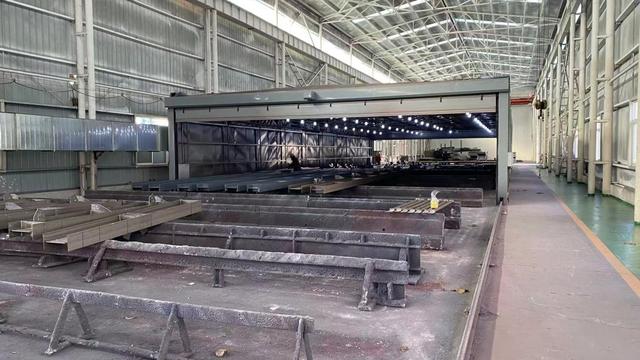
Backed by advanced manufacturing facilities and an experienced engineering team, JNM HomeTech integrates smart structural design with high-quality materials to ensure fast installation, cost-effective transportation, and long service life. Its modular housing systems are widely used for residential living, construction site accommodation, emergency housing, mobile offices, and commercial spaces.
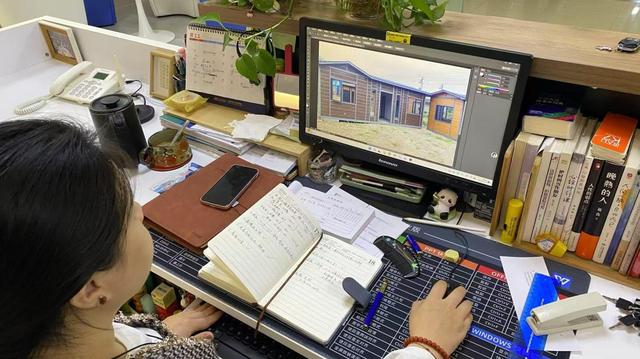
The company is committed to meeting diverse customer needs through flexible customization, covering layout design, insulation solutions, and integrated utility systems. With strict quality control processes and compliance with international standards, JNM HomeTech delivers reliable prefab buildings to clients across Europe, Southeast Asia, the Middle East, and beyond.
Driven by innovation and sustainability, Foshan JNM HomeTech continues to develop eco-friendly and energy-efficient housing solutions, helping customers build smarter, faster, and more adaptable spaces worldwide.
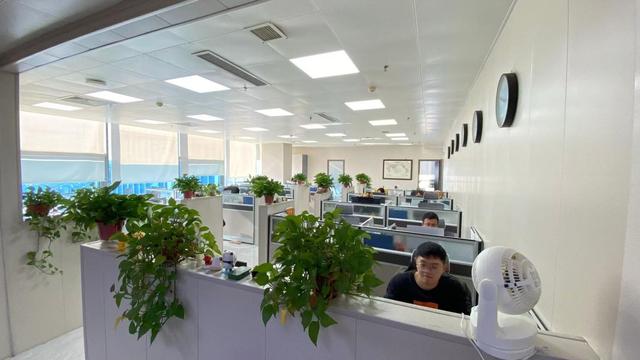
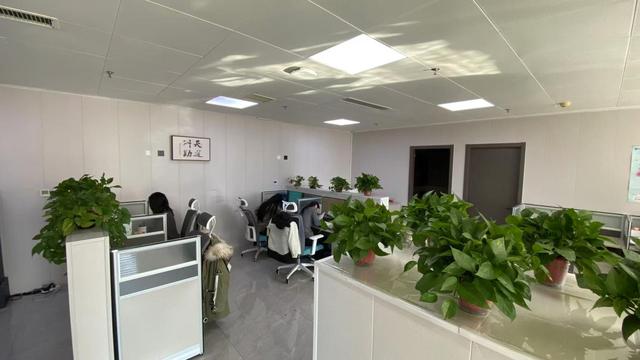
Understanding how modular homes fit into Rwanda's distinct geographical and business contexts helps project managers maximize their ROI. Our container configurations are designed for direct integration into various localized applications:
Designed for the high moisture levels and challenging terrains of Rwanda's mining districts. Our customized modular container housing units include rust-preventive chassis coatings and reliable ground insulation, keeping workers warm and protected against insect intrusion and humidity.
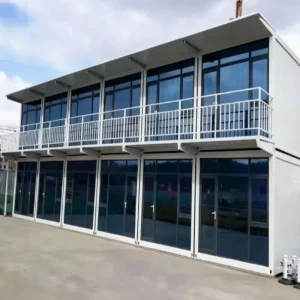
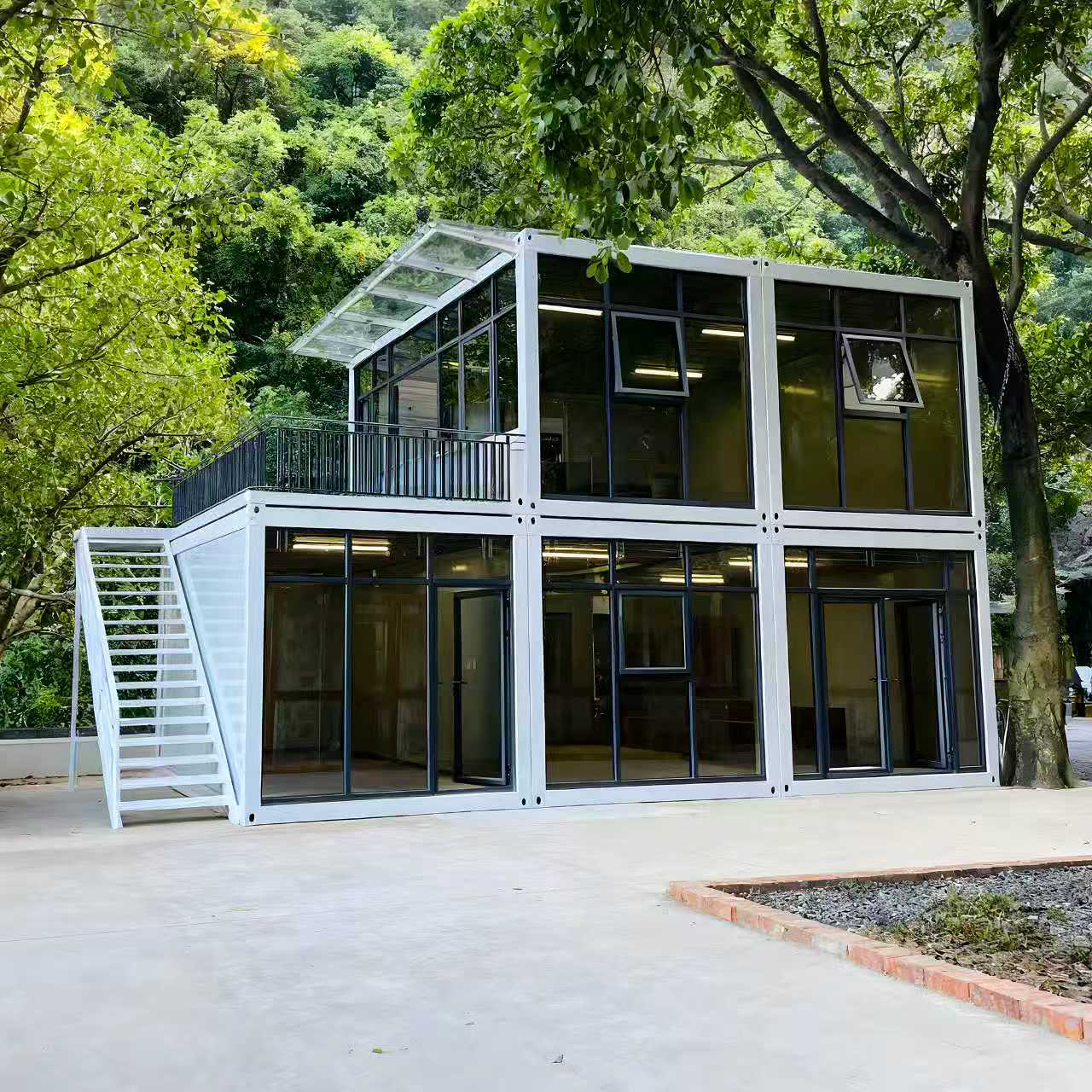
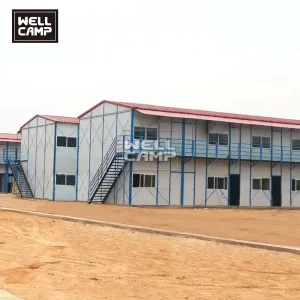
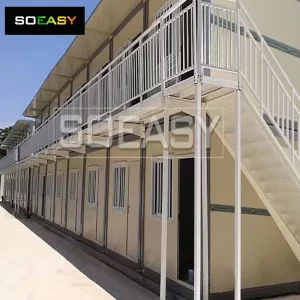
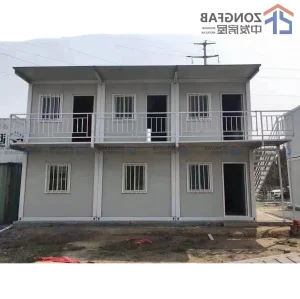
Ideal for road expansions and commercial projects in urban areas where land usage must be optimized. Two-story flat-pack worker dormitories provide space-efficient accommodation without requiring deep, destructive foundation excavations.
Perfect for large farming initiatives like tea, coffee, and sugar estates in flat regions. These modular units are easily set up and relocated from field to field, aligning with harvest cycles and shifting workforces.
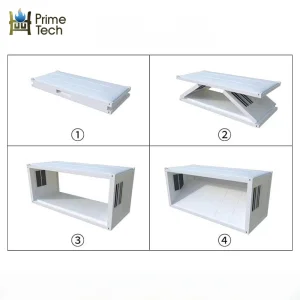
Used by international organizations for relief and administrative centers. Foldable modular houses provide rapid emergency housing within hours of arrival at site locations.
Purchasing modular housing systems is a major long-term capital investment. Project managers must evaluate products on structural life-cycle value, durability, and cost-efficiency rather than just looking at the initial purchase price. Here are the core specifications to verify before finalizing orders:
| Parameter | Standard Specifications | Project Impact |
|---|---|---|
| Main Steel Framework | Hot-dip galvanized Q235B / Q345B steel (2.5mm - 4.0mm thickness) | Prevents corrosion in humid environments; ensures multi-stacking strength. |
| Wall Panels | EPS, Glasswool, or Rockwool sandwich panels (density ≥ 120kg/m³) | Maintains target fire resistance ratings (Class A) and interior thermal comfort. |
| Flooring Substructure | Fireproof MGO (Magnesium Oxide) board (18mm) + anti-slip PVC finish | Withstands high daily usage, resists water damage, and is easy to clean. |
| Roof Water Seal System | Dual-slope sheet metal with integrated perimeter drainage channels | Prevents structural leaks during intense tropical storms and monsoon rains. |
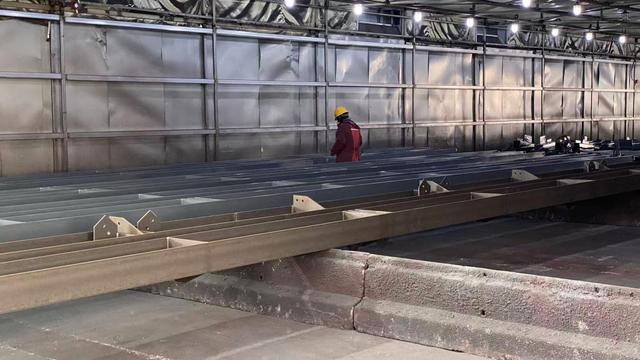
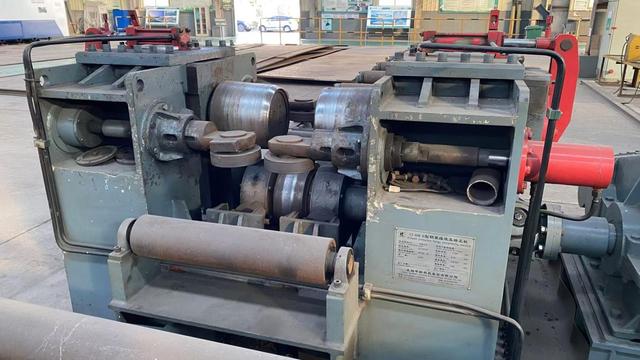
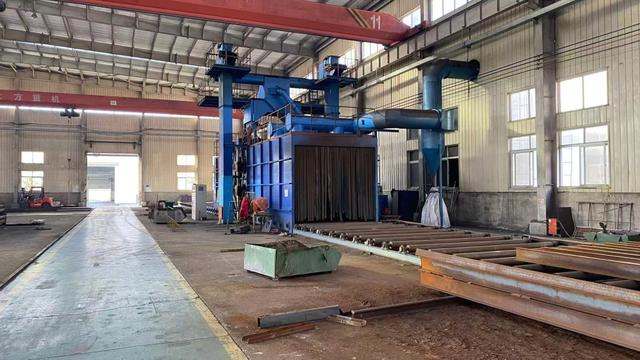
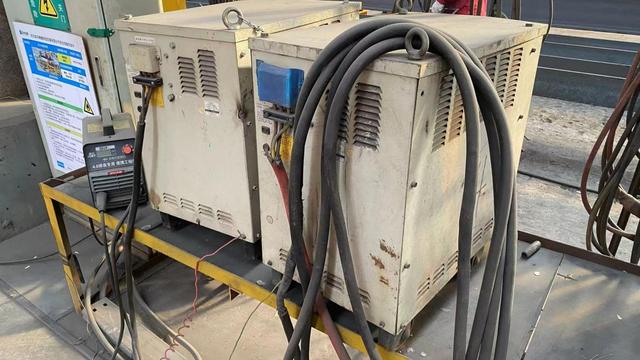
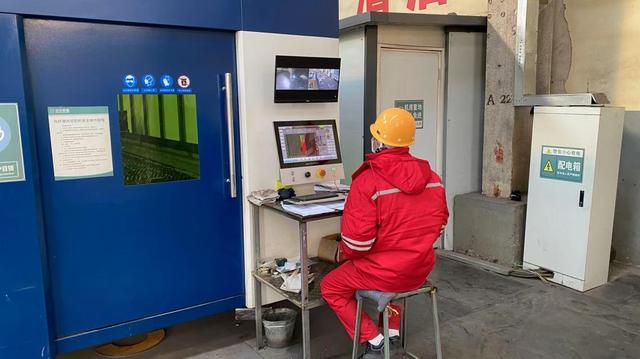
Foshan JNM HomeTech Co., Ltd. builds each module using advanced, high-precision automated machinery. Our welding and paint processes are performed in climate-controlled spaces to prevent micro-scale corrosion, ensuring each flat-pack unit maintains structural integrity through multiple relocation cycles.
Sustainable development is a key focus of modern infrastructure projects in Rwanda. Prefabricated container housing is inherently eco-friendly, producing over 90% less on-site waste compared to traditional concrete construction. The next step in green housing is integrating smart renewable systems directly into the modular framework.
By installing solar panels on container roofs, projects can generate off-grid electricity for dormitory lighting, ventilation, and charging stations. This makes modular dormitories fully self-sufficient and ideal for remote areas in Rwanda that lack access to the municipal grid. Combined with energy-efficient LED systems and low-flow plumbing fixtures, these container homes help builders earn international green building certifications and lower long-term operational costs.
Get answers to common queries regarding shipping, structural specs, and local assembly in Rwanda.
The total timeline is approximately 45 to 60 days. This includes manufacturing (15-20 days depending on project size), ocean transit from Shenzhen/Guangzhou to Mombasa or Dar es Salaam (approx. 20-25 days), and customs clearance followed by overland trucking to Kigali (approx. 10-15 days).
Yes. JNM HomeTech manufactures structures to meet international code requirements. Our non-combustible Rockwool wall panels offer Class-A fire ratings, and our structural frames are designed to meet wind and seismic calculations in accordance with local East African building standards.
Every shipment comes with detailed layout blueprints, installation guides, and step-by-step video tutorials. For large construction projects, we can send senior engineering supervisors to site locations to manage assembly teams, ensure quality control, and expedite setup.
Yes. Our reinforced structural corner columns and locking mechanisms are engineered to support 2-story and 3-story modular building layouts safely, allowing developers to maximize bed capacities in tight site footprints.
Absolutely. We pre-wire conduits and install electrical wall plugs, breakers, and light fixtures that match East African standards (Type G UK-style plug configurations, 220-240V/50Hz), ensuring they are ready to plug in as soon as assembly is complete.
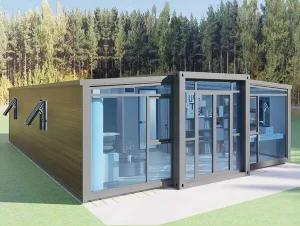
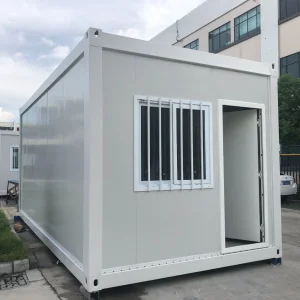
A comprehensive selection of customizable flat-pack, expandable, and folding cabins configured for site offices and housing in Rwanda.
 JNM HomeTech