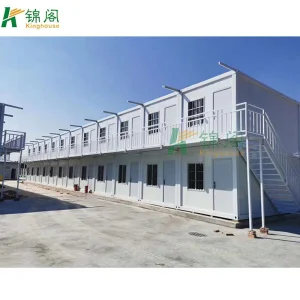
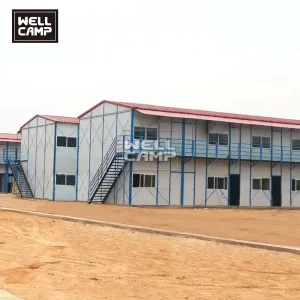
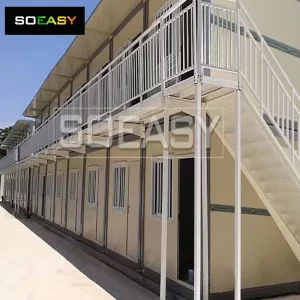
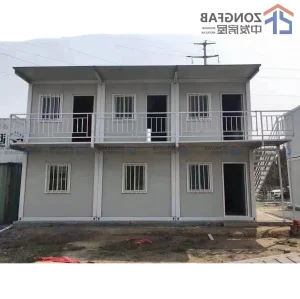
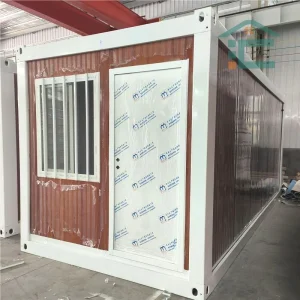
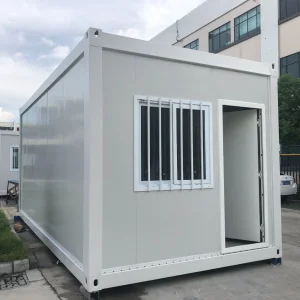
Worker Dormitory Container House Factories & Suppliers for the DR Congo Market

High-Performance Modular Engineering Optimized for Sub-Saharan Mining, Construction, and Infrastructure Projects

Send Inquiry Now
50k+ m²
Monthly Prefab Production Capacity
15+ Days
Rapid Port-to-Site Transit Readiness
100%
DRC Mining Standard Compliance
15-Year+
Engineered Structural Lifespan
Market Dynamics & Challenges

Understanding the DRC Industrial & Mining Landscape

The Democratic Republic of Congo (DRC) houses some of the world's most critical mineral reserves, particularly in the Katanga Copperbelt, Lualaba Province, and the eastern mining hubs. As international resource extraction companies and engineering, procurement, and construction (EPC) contractors scale up operations in areas like Kolwezi, Lubumbashi, and Likasi, they face a recurring roadblock: the absence of reliable, localized, and quick-to-build accommodation infrastructure.

Traditional brick-and-mortar housing cannot keep pace with exploration cycles or fast-track infrastructure timelines. Remote sites suffer from extreme tropical weather conditions, torrential rain seasons, high humidity, and severe transport constraints. Establishing high-density labor camps or executive housing requires construction materials that are lightweight, cargo-efficient, highly insulated, and resistant to seismic and environmental pressures.

"For engineering projects in the DRC, logistics costs often match or exceed manufacturing costs. Flat-pack modular designs that reduce shipping volumes by up to 75% are not just a convenience—they are a financial necessity."

Foshan JNM HomeTech Co., Ltd. fills this gap by engineering modular worker dormitory container systems specifically designed for Sub-Saharan deployment. By combining high-tensile hot-dip galvanized steel frames with customizable wall insulations, we ensure our structures withstand the aggressive corrosive environments of central African mining sites.
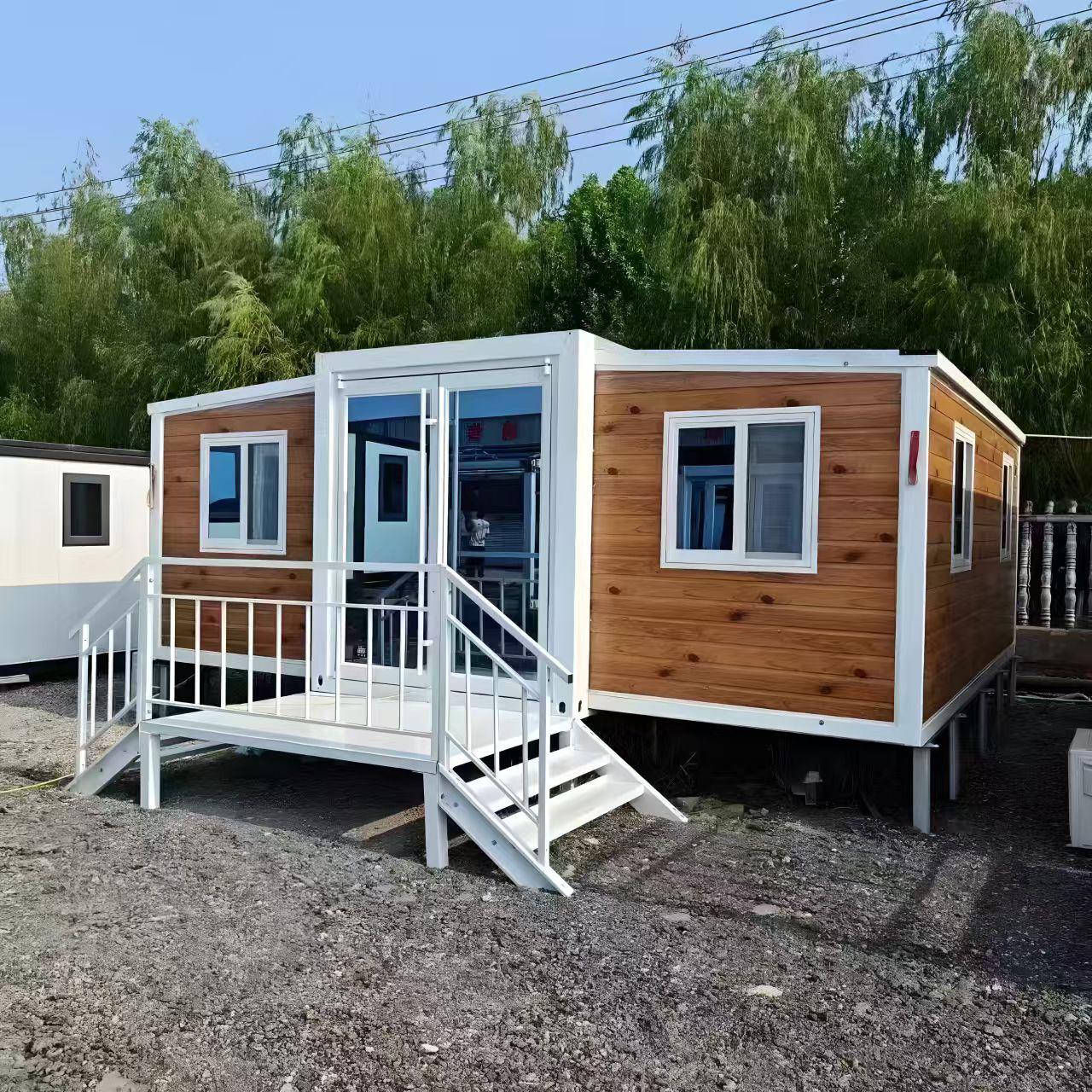
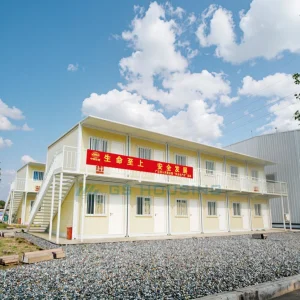
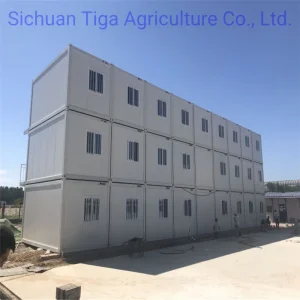
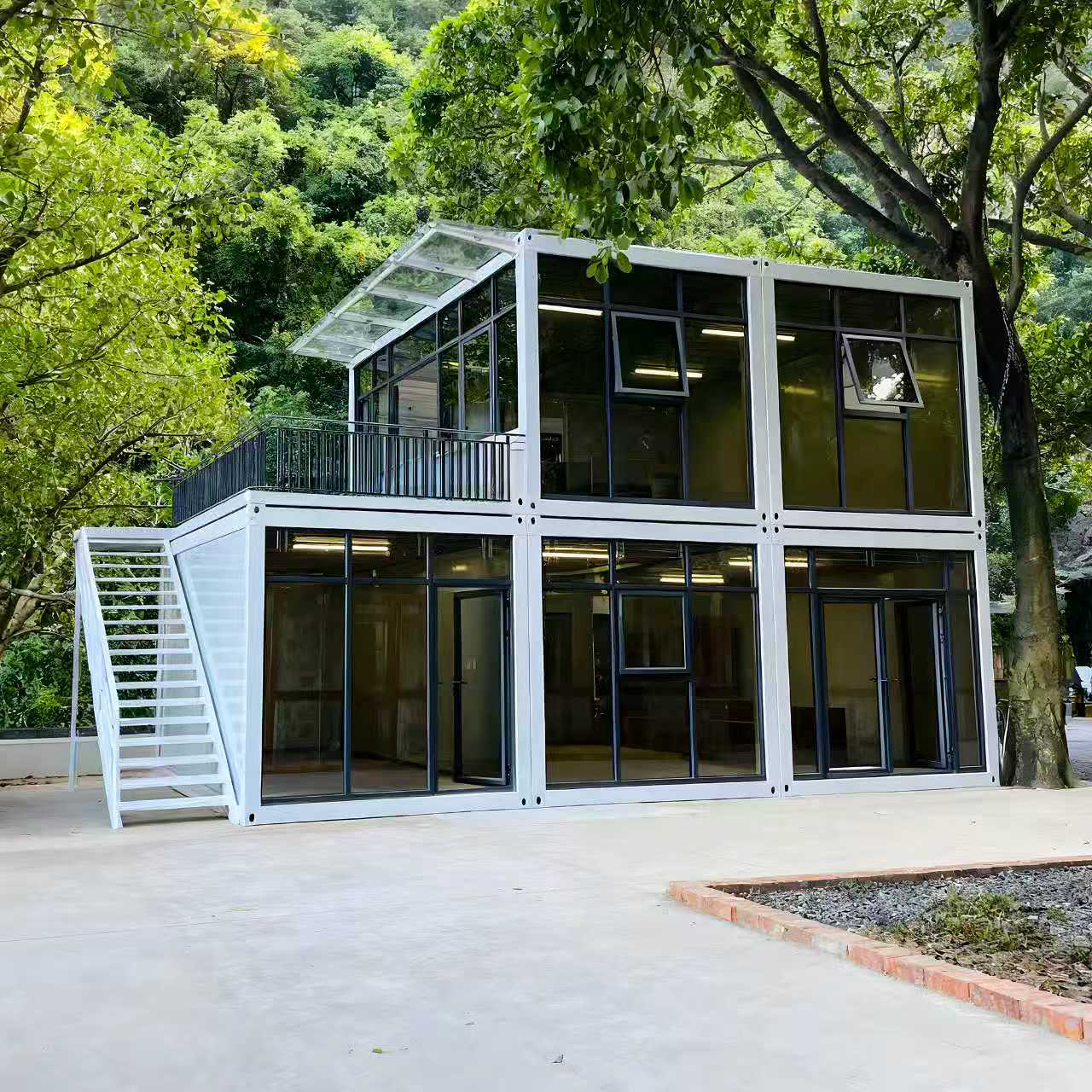
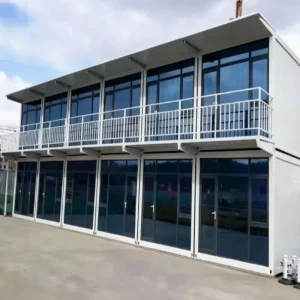
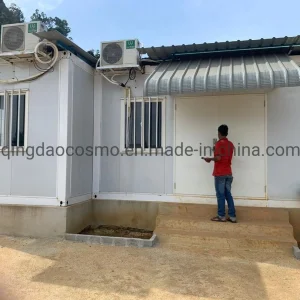
Industrial Container House Deployment in Mining Fields
Advanced Container House Structural Framing
Technical Roadmap & Engineering

Structural Integrity Designed for Central African Environments

At JNM HomeTech, our engineering team adheres to stringent international building guidelines. When supplying housing modules to the DRC, we deploy specific material enhancements to guarantee long-term stability and indoor air comfort:

  • Hot-Dip Galvanized Structural Frames: Minimum Q235 steel structural components, hot-dip galvanized with a zinc coating thickness exceeding 60-80g/m² to prevent rust in high-precipitation zones.
  • Optimized Thermal Envelope: Wall panels utilize high-density polyurethane (PU) or rockwool cores (50mm to 100mm) wrapped in pre-painted galvanized steel skins. This combination maintains cooler interior temperatures during hot seasons while offering superior sound dampening.
  • Integrated Water Drainage Systems: Unlike standard modular containers, our flat pack structures feature internal column-integrated downspouts and sloped roof designs, channeling heavy rainfall smoothly away from the foundations and preventing roof pooling.
  • Seismic and Wind Load Rating: Engineered to withstand Class 10 wind speeds (up to 102 km/h) and structurally rated to absorb moderate seismic activity common in the East African Rift zones flanking eastern DRC.

These features minimize operational maintenance costs, allowing mining companies to direct their resources toward core operations rather than camp facility repairs.

China Factory 4.0 Efficiency

Precision Manufacturing & Global Supply Chain Resilience

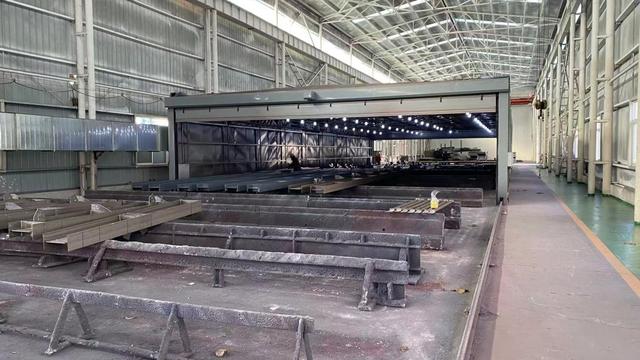
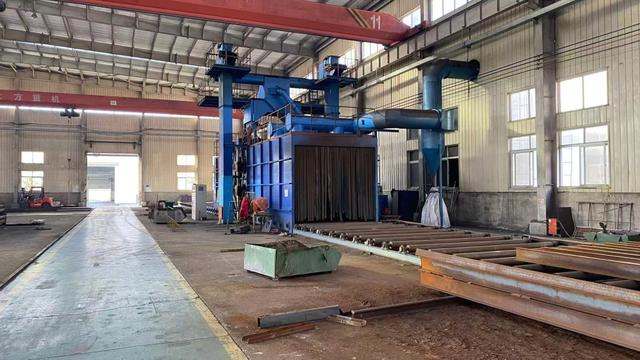
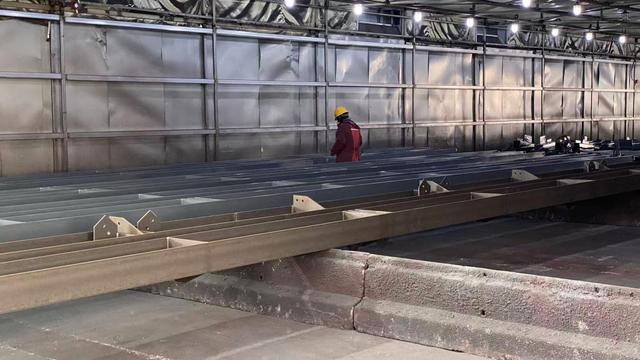
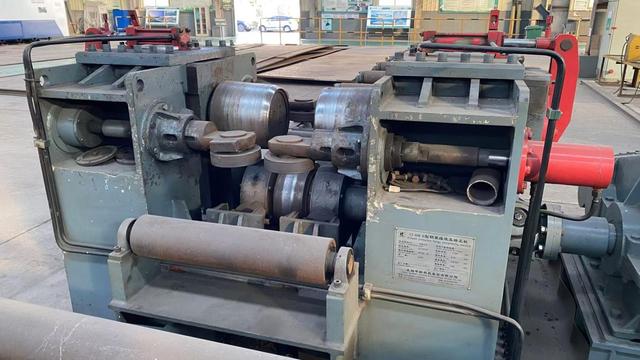
Foshan JNM HomeTech Co., Ltd. operates a high-capacity, technology-driven manufacturing ecosystem in Foshan, China. This facility handles everything from initial conceptual layouts to raw material preparation, precision rolling, welding, and final container consolidation.
Customizable Lay-Outs

Every camp requires tailored solutions. We offer modular combinations for bedrooms, administrative units, kitchen/dining areas, and heavy-duty sanitation blocks, with flexible plumbing configurations.

Integrated Utility Systems

Units arrive pre-wired and pre-plumbed to international standards, facilitating plug-and-play connection to site generators, solar systems, and local septic systems.

Compliance & Certification

Our structures conform to international structural parameters, guaranteeing high structural loading capability and reliable quality control from factory to field.

Logistics Optimization & Installation

Navigating DRC Logistics: From Chinese Ports to Inland Sites

Deploying prefabricated structures in remote DRC regions demands robust packaging and modular versatility. Here is how we ensure seamless transit and construction:

Multi-Modal Transport Routing

Most mining sites in Katanga or Lualaba receive cargo through the ports of Dar es Salaam (Tanzania) or Durban (South Africa), followed by long-haul trucking through transit corridors. To reduce cargo volume and prevent component damage over unpaved roads:

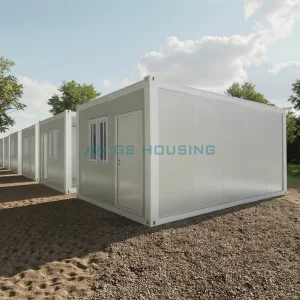
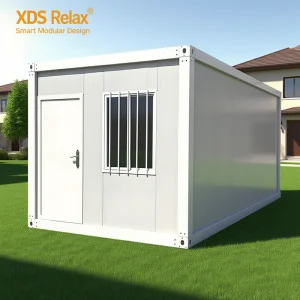
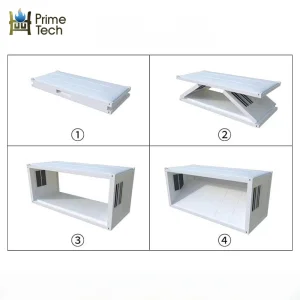
  • Flat Pack Bundles: Four standard flat pack container units are bundled together to form the exact footprint of a standard 20ft ISO shipping container. This eliminates the need for high-cost open-top containers.
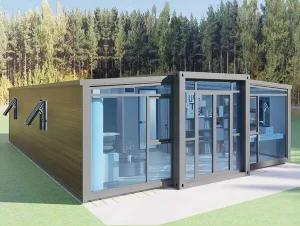
  • Foldable & Expandable Modules: For rapid emergency deployments, foldable houses are shipped fully pre-assembled. Upon arrival, a crane expands the structure in under 10 minutes.

Simplified Site Installation

We supply complete installation manuals, high-definition video guides, and, where required, remotely coordinate with local engineering staff. Minimal foundation work is needed—typically simple concrete foundation piers or a level concrete slab. This significantly speeds up construction compared to traditional building projects.

Assembly Time Comparison

Traditional Concrete Structure (100m²)
90 - 120 Days
JNM Flat-Pack Modular Camp (100m²)
5 - 7 Days (4-Man Crew)
JNM Foldable Cabin Units (100m²)
1 Day (Rapid Setup)
Frequently Asked Questions

Procurement & Deployment FAQ

Essential technical and logistical insights for procurement managers, structural engineers, and camp administrators.

1. How do you protect container houses from corrosion in high-humidity DRC regions?
Our structural frames are made of hot-dip galvanized steel (minimum Q235 grade). All structural components undergo a multi-layered painting process, including a rust-preventive epoxy primer and a polyurethane topcoat. This system protects the steel framing from oxidation in tropical climates and humid mining environments.
2. Can flat pack container houses be stacked, and is there a structural limit?
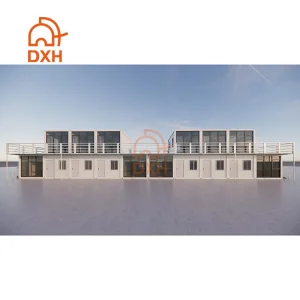
Yes, our flat pack modular houses are engineered for vertical load distribution. They can be stacked up to 3 storeys for administrative offices or worker dormitories. Stacking configurations require our heavy corner fittings and reinforced structural columns to ensure stability against wind loads and seismic activity.
3. What insulation material is recommended for thermal control in central Africa?
We offer Polyurethane (PU), Rockwool, and EPS (expanded polystyrene) sandwich panels. For the high temperatures of the DRC, PU or Rockwool panels of 75mm-100mm thickness are recommended. They provide excellent thermal resistance (low U-value) and high fire-resistance ratings, which helps reduce cooling energy costs.
4. How many modular units fit into a standard shipping container?
A standard 40ft High Cube (HQ) shipping container can carry up to 4 fully loaded flat pack container houses, complete with sandwich wall panels, windows, doors, and electrical/plumbing fixtures. For foldable container houses, up to 10-12 units can fit inside a single 40ft HQ container, which helps lower inland logistics and shipping costs.
5. Are plumbing and electrical systems pre-installed in your units?
Yes, our modular units feature pre-configured pathways for plumbing and electrical systems. The main wiring and socket housings are built into the wall and ceiling structures at the factory. Fixtures can be tailored to meet European, South African, or other national electrical safety standards requested by the client.
6. What foundation work is required before the containers arrive?
Our modular containers do not require heavy concrete slab foundations. A simple pier foundation layout (placing concrete blocks under the container corners and mid-points) is sufficient. This reduces civil works costs and speeds up project startup, especially in remote areas.

Ready to Optimize Your Camp Infrastructure in the DRC?

Partner with Foshan JNM HomeTech Co., Ltd. for reliable engineering, efficient shipping, and rapid deployment. Contact our team today for custom layout designs and factory-direct pricing.

Get in Touch With an Engineer