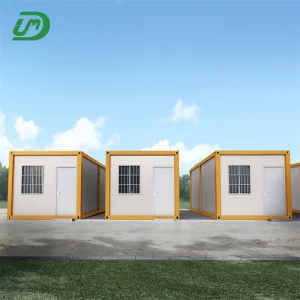
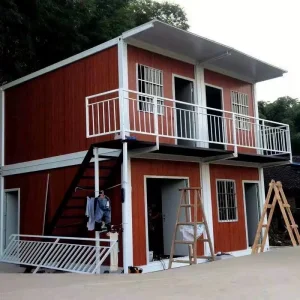
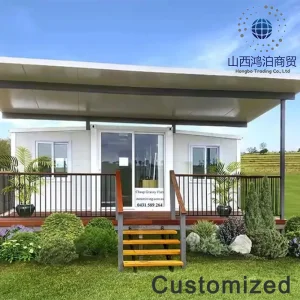
Premium customizable modular container configurations engineered to minimize thermal exchange under extreme environmental variance, serving residential and high-spec industrial clients in Trinidad and Tobago.
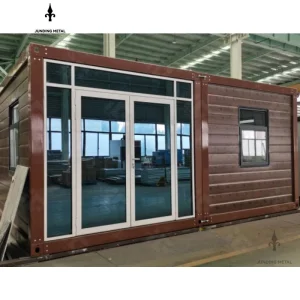
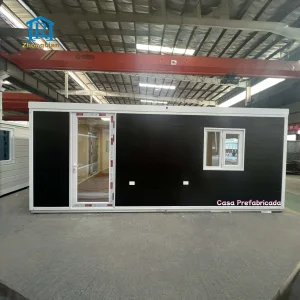
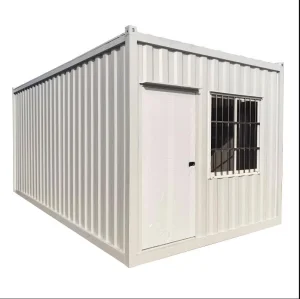
A deep-dive technical briefing on leveraging sub-zero thermal insulation architectures to combat high relative humidity, ambient heat loads, and coastal salt spray degradation.
It is a common design misconception that structural specifications engineered for cold climates are redundant in the tropical Caribbean environment of Trinidad and Tobago. Thermodynamically, a building envelope designed to keep heat in (for arctic zones) performs with equivalent efficiency when tasked with keeping heat out in hot, high-humidity climates. The application of sub-zero thermal break methodologies in Trinidad and Tobago dramatically reduces the cooling load coefficient of structures, lowering operating costs for commercial operations and residential projects alike.
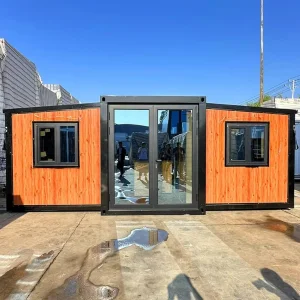
Trinidad & Tobago experiences year-round high thermal radiation, with peak temperatures frequently exceeding 33°C coupled with relative humidity levels hovering between 80% and 90%. Under these conditions, typical single-skin container conversions suffer from severe thermal bridging, solar radiation heat gain, and interior condensation. By utilizing cold-climate engineering standards—such as high-density polyurethane (PU) or polyisocyanurate (PIR) cores, thermal break profiles, and double-glazed low-E argon filled glass panels—our container houses create a hermetically-insulated barrier that blocks external heat and locks in internal climate control.
Additionally, industrial applications within Trinidad's active oil, gas, and chemical production sectors (such as the industrial hubs in Point Lisas and remote facilities off the coast of Guayaguayare) require climate-controlled operator control cabins, instrument shelters, and laboratories. These applications demand structures capable of maintaining stable internal micro-climates regardless of extreme external heat or atmospheric volatility. Using heavy-duty, cold-climate insulated structures guarantees the mechanical integrity of sensitive computing and automation equipment.
Analyzing the multi-layer panel compositions, structural frames, and protective coatings that define JNM HomeTech products.
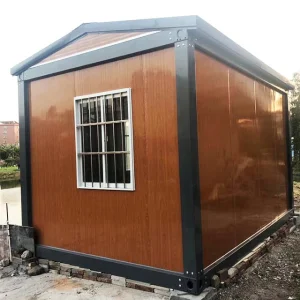
Unlike standard polystyrene (EPS) cores, our high-density Polyisocyanurate (PIR) core panels offer superior thermal resistance, preventing thermal bridging and moisture ingress even under heavy tropical downpours.
For coastal Trinidad applications, all structural carbon steel components undergo high-specification hot-dip galvanization and are coated with multi-layer marine epoxy systems to resist severe salt spray corrosion.
Our heavy steel mainframe connections are engineered and structurally certified to withstand Caribbean wind velocities (up to 250 km/h) conforming to the local building codes and seismic parameters.
Discover how municipal, industrial, and commercial operations across Port of Spain, San Fernando, and Tobago utilize our highly-insulated modular buildings.
Trinidad's downstream energy sector requires robust modular shelters that can be quickly deployed at gas fields, refineries, and pipelines. Our container structures serve as blast-resistant (optional rating), climate-controlled field offices, control rooms, and engineering housing units where maintaining consistent internal temperature is crucial for electrical instrumentation performance.
As Trinidad and Tobago expands its agricultural supply chain infrastructure, keeping perishable produce and seafood fresh at transit points is vital. By leveraging our cold-climate insulated modular hulls, companies can quickly set up high-efficiency modular cold rooms and processing chambers with significantly lower electrical power demands than brick-and-mortar units.
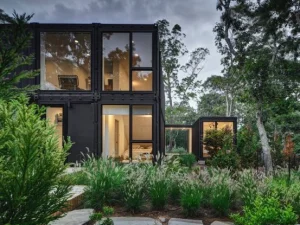
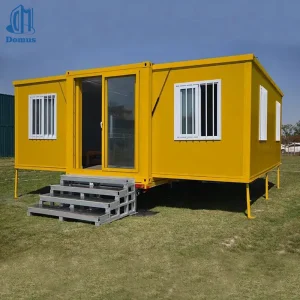
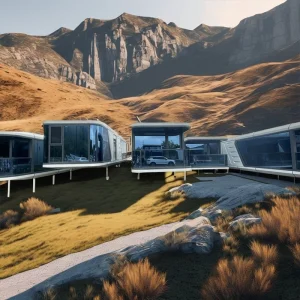
For ecological developments near Tobago's Main Ridge Forest Reserve or isolated coastal locations, our premium expandable insulated homes provide luxury accommodation without the disruptive impact of traditional concrete construction. Excellent thermal insulation prevents high-humidity condensation inside the rooms, reducing mold and moisture damage in forest microclimates.
Given the vulnerability of Caribbean islands to tropical storms, having rapid-assembly container solutions equipped with high-spec insulation is essential. These serve as emergency command centers, temporary medical clinics, and clean water operations that can withstand intense wind loads while keeping relief staff comfortable in hot, post-disaster environments.
Original structural integrity, certified materials, and an international reputation for modular building innovations.
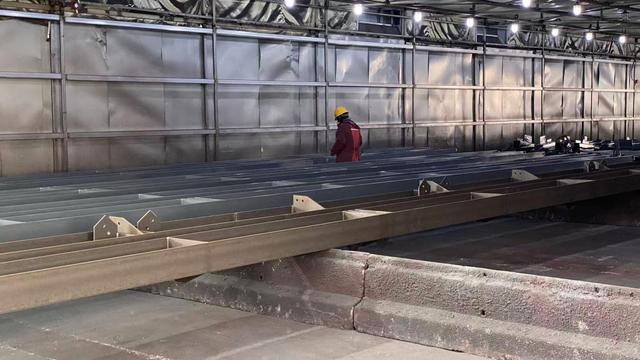
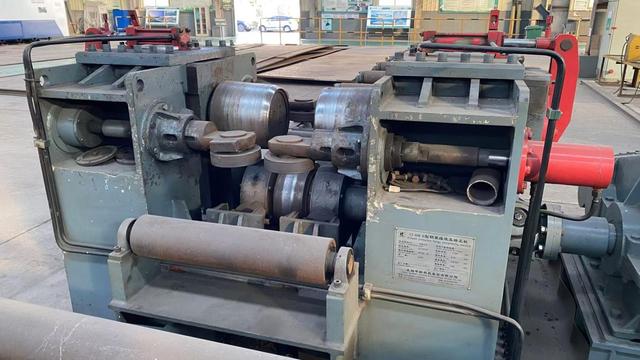
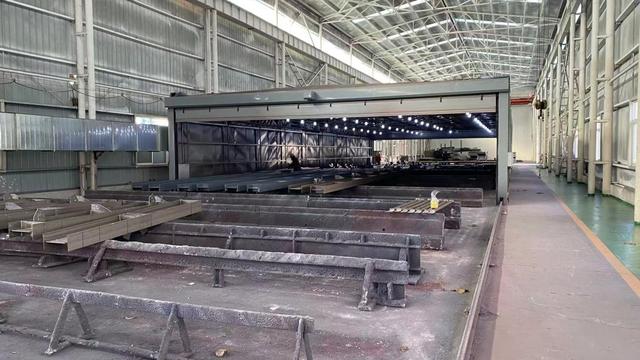
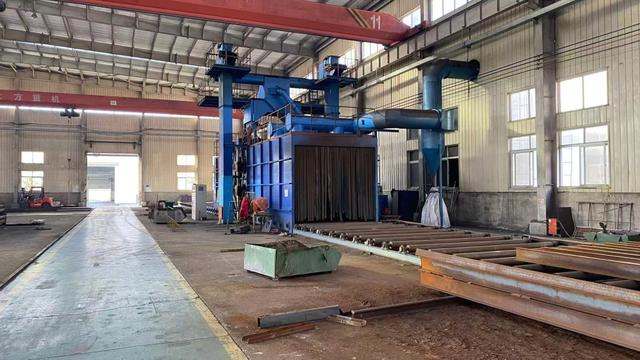
Foshan JNM HomeTech Co., Ltd. is a professional modular container house manufacturer based in Foshan, China, specializing in the design, production, and global supply of innovative prefabricated building solutions. With a strong focus on efficiency, durability, and modern living standards, the company offers a comprehensive range of products including expandable container houses, foldable container homes, and flat pack modular buildings.
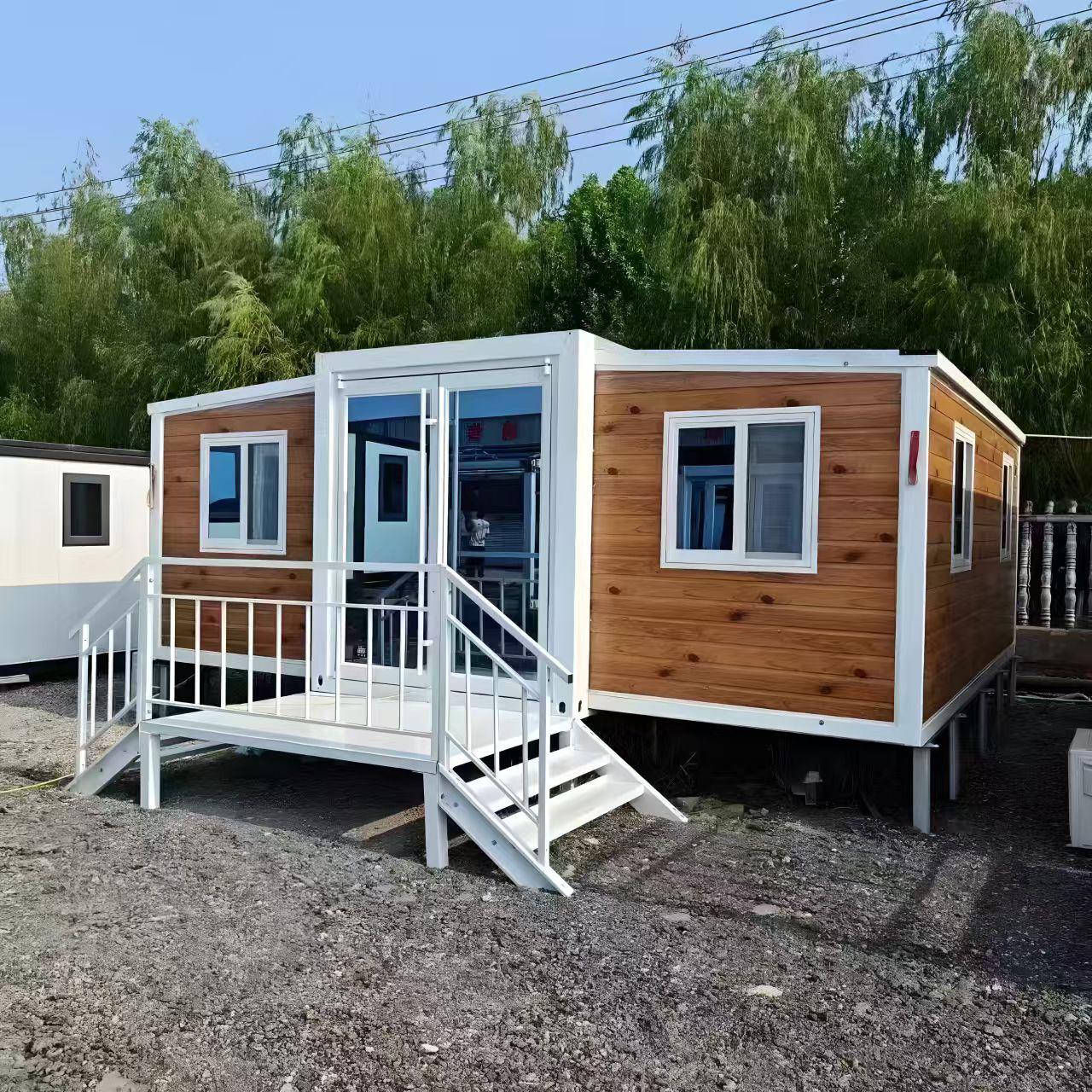
Backed by advanced manufacturing facilities and an experienced engineering team, JNM HomeTech integrates smart structural design with high-quality materials to ensure fast installation, cost-effective transportation, and long service life. Its modular housing systems are widely used for residential living, construction site accommodation, emergency housing, mobile offices, and commercial spaces.
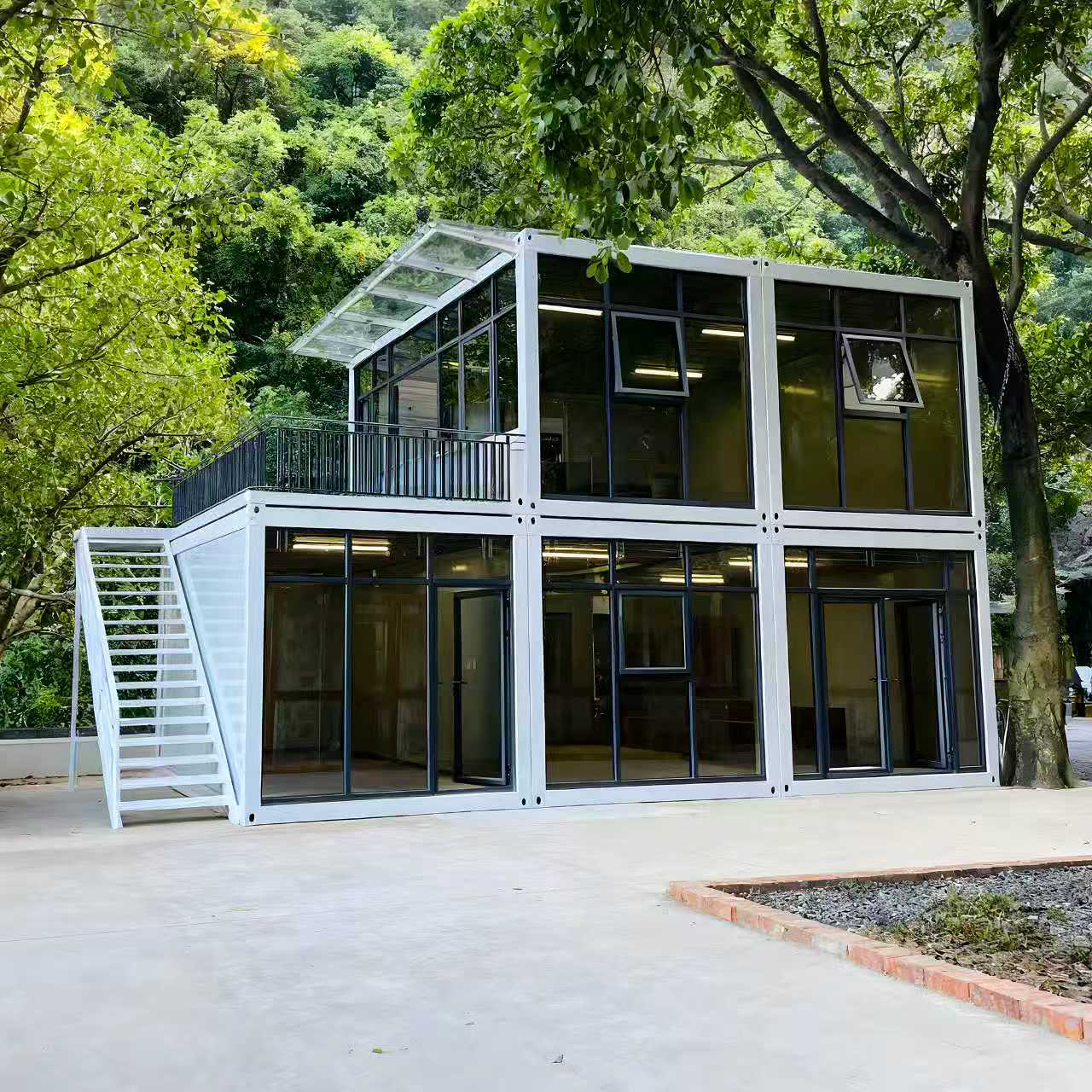
The company is committed to meeting diverse customer needs through flexible customization, covering layout design, insulation solutions, and integrated utility systems. With strict quality control processes and compliance with international standards, JNM HomeTech delivers reliable prefab buildings to clients across Europe, Southeast Asia, the Middle East, and beyond.
Driven by innovation and sustainability, Foshan JNM HomeTech continues to develop eco-friendly and energy-efficient housing solutions, helping customers build smarter, faster, and more adaptable spaces worldwide.
Anticipating next-generation modular construction technologies to align with CARICOM energy sustainability targets.
As the Caribbean region moves toward localized decarbonization and reduced dependence on fossil fuels for electrical power generation, the building materials sector must adapt. For Trinidad and Tobago, modular architecture will evolve over the next five years to incorporate smart microgrids and active energy-harvesting technologies.
Foshan JNM HomeTech is actively developing next-generation envelope designs that merge high R-value insulation with integrated photovoltaics (BIPV). By utilizing container roofs and wall assemblies embedded with durable thin-film solar panels, structures can generate up to 85% of their cooling load requirements locally, operating independently of the main power grid.
Furthermore, our development track includes transitioning from polyurethane materials to bio-sourced aerogel and vacuum-insulated panels (VIPs). This shift will allow us to achieve similar or superior U-values with thinner walls, increasing the internal square footage of our container homes while maintaining their structural strength and thermal performance.
Everything you need to know about thermal insulation parameters, customs clearance, site installation, and code compliance in Trinidad & Tobago.
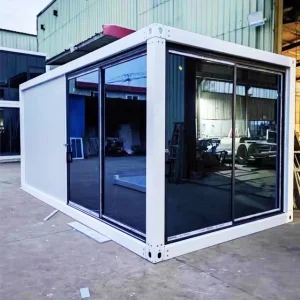
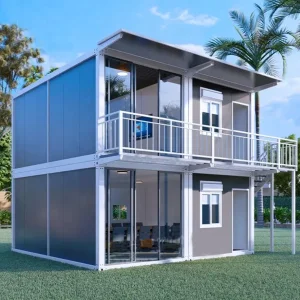
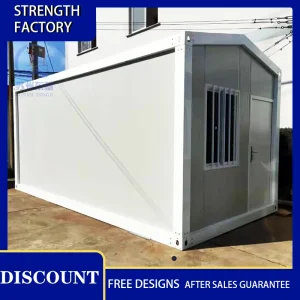
Explore our complete range of high-efficiency modular houses, expandable cabins, and customized office structures available for shipment to Trinidad & Tobago.
Contact our technical engineering team for structural layouts, customized R-value details, freight shipping schedules, and dynamic bulk-order price proposals.
Send Inquiry Now JNM HomeTech