Engineered structural designs adapting polar-grade thermal insulation technologies to combat intense solar radiation loads and humid oceanic environments.
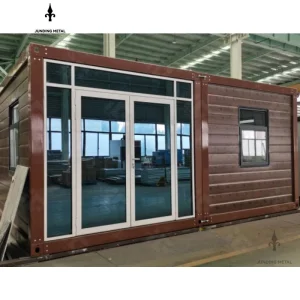
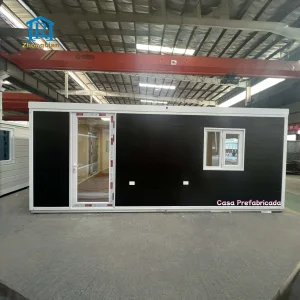
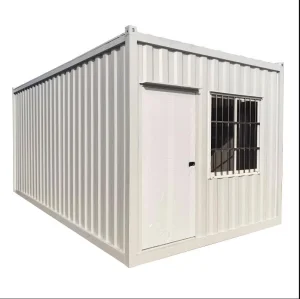
The Republic of Kiribati, an archipelago comprised of 32 atolls and one raised coral island spanning across the central Pacific Ocean, is at the forefront of global climate change challenges. When analyzing modular construction parameters for this region, a classic engineering paradox emerges: Why specify a "Cold Climate Insulated" container system for a nation situated along the equator?
The answer lies in advanced thermodynamic control. Traditional buildings in Kiribati suffer from extreme solar radiation, high humidity, and rapid degradation from salt spray. A "Cold Climate Insulated" container house incorporates ultra-high R-value polyurethane (PU) or polyisocyanurate (PIR) sandwich panels. These systems, designed to retain heat in freezing environments, work in reverse with equal efficiency: they act as a high-performance radiant barrier that prevents external thermal energy from penetrating the interior living space. By establishing a hermetically sealed, thermal-bridge-free envelope, energy demand for internal HVAC systems is reduced by up to 60%, critical for an island nation reliant on limited local energy grids.
On a global scale, the modular and prefabricated construction market is shifting from temporary shelters toward permanent, highly-engineered architectural structures. Innovations in material science, such as vacuum insulation panels (VIPs) and phase-change materials (PCMs), are integrating into container shell structures to address extreme weather volatility.
In Kiribati, local infrastructure faces dual threats: land scarcity and extreme marine exposure. Shipping structural building components to remote atolls like Kiritimati (Christmas Island) or the Gilbert group demands lightweight, stackable, and easily constructible formats. Standard containerized flat-packs manufactured under strict QA protocols in Foshan, China, resolve transport logistics by fitting directly into ocean freight routes, bypassing high shipping fees while eliminating site waste.
Our structures are engineered specifically to balance structural resilience with extreme thermodynamic optimization. The table below highlights the comparative structural characteristics designed for long-term deployment in island ecosystems:
Foshan JNM HomeTech Co., Ltd. is a globally recognized modular container house manufacturer based in Foshan, China. We specialize in the design, engineering, and mass production of advanced prefabricated structural systems built to withstand the world’s most hostile climates.
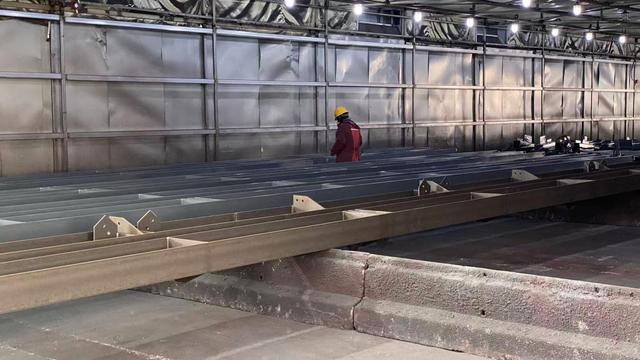
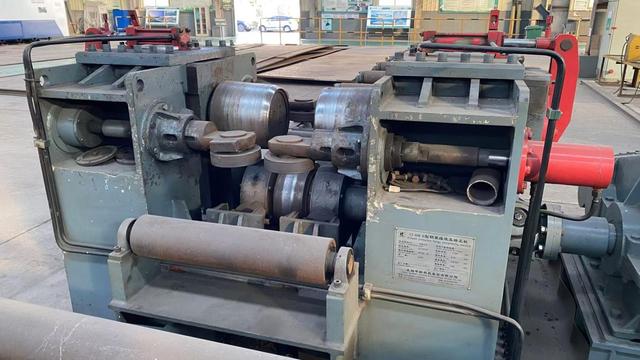
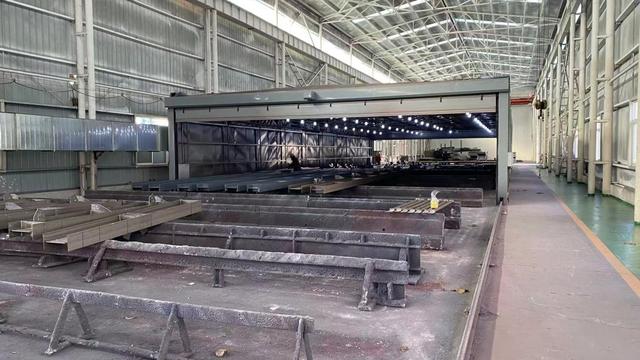
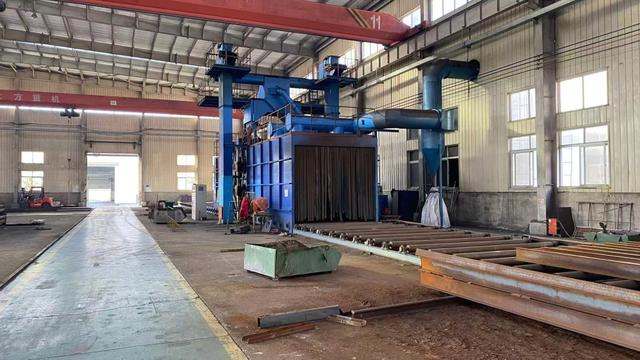
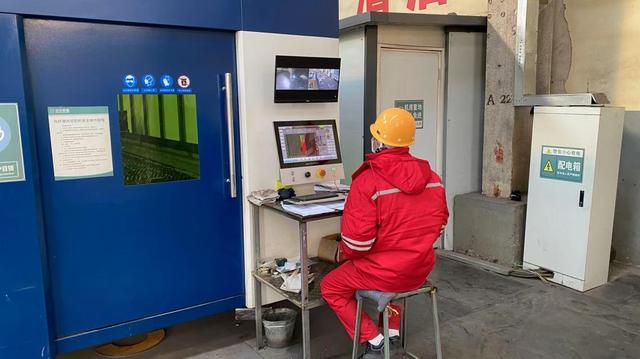
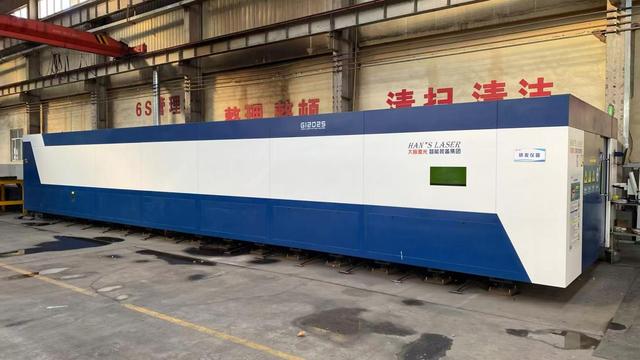
Leveraging continuous welding automation, CNC steel bending lines, and robotic spray booths, JNM HomeTech ensures dimensional accuracy within 1mm tolerances. Our structural engineers design customized flat-pack and expandable systems to optimize shipping density, lowering trans-Pacific cargo costs for developers in Micronesia and Polynesia.
By blending thermal efficiency, sustainable steel, and modular adaptability, JNM HomeTech builds future-proof structures that empower Kiribati communities, businesses, and government agencies to build smarter, faster, and more affordably.
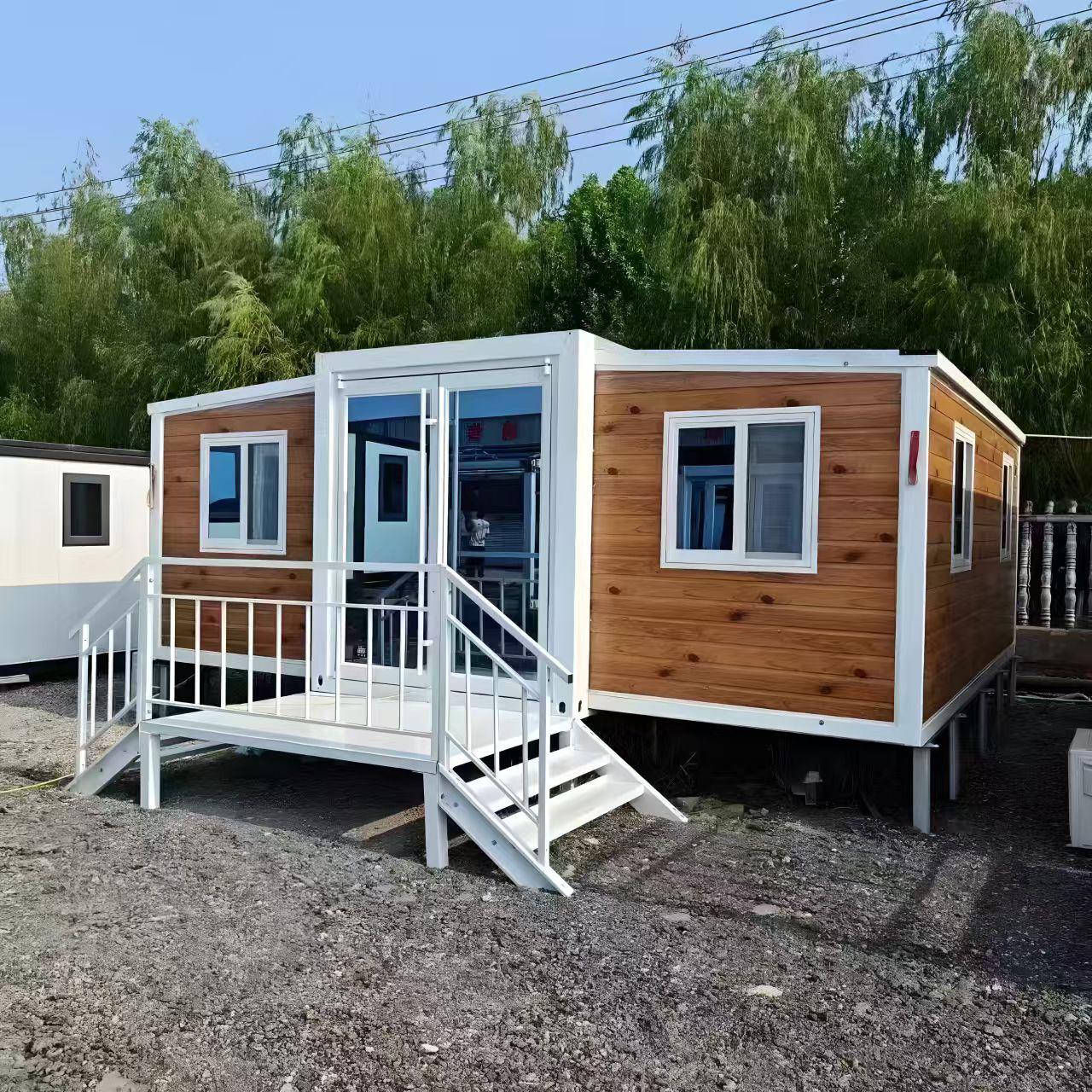
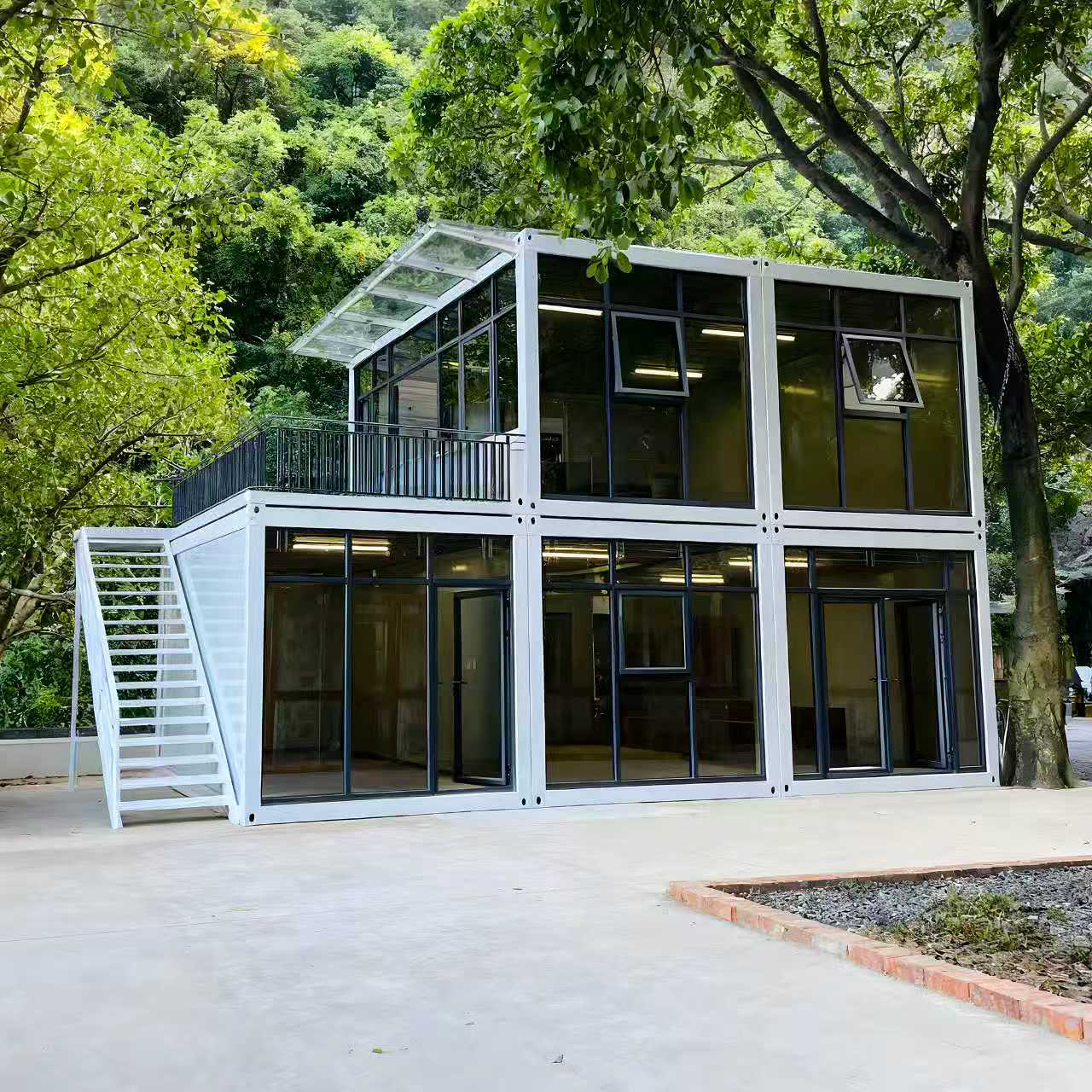
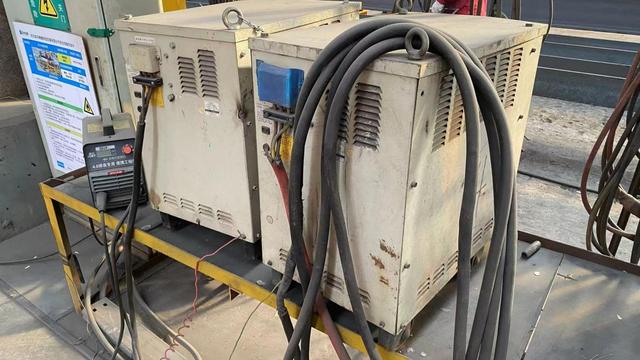
Browse our catalog of insulated systems, optimized for marine logistics, modular integration, and extreme weather endurance.
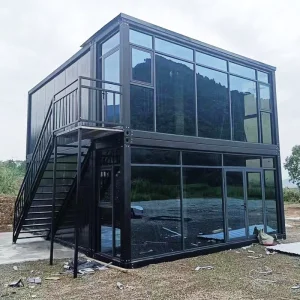
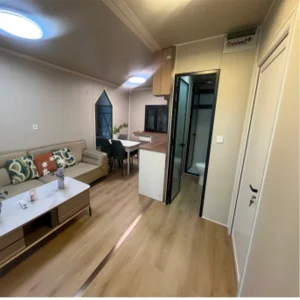
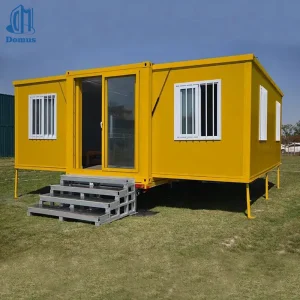
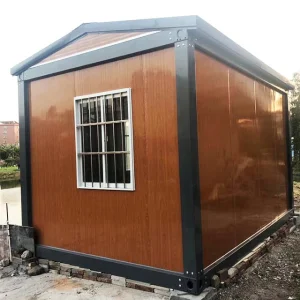
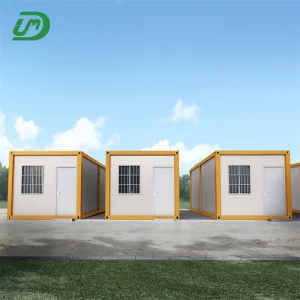
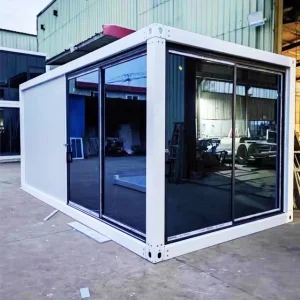
Explore these auxiliary technical designs, incorporating the exact same high-efficiency insulating technology and heavy-gauge galvanized framing systems.
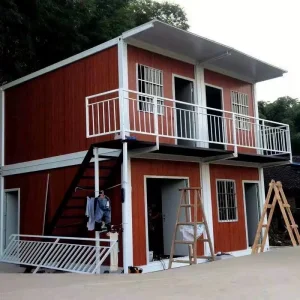
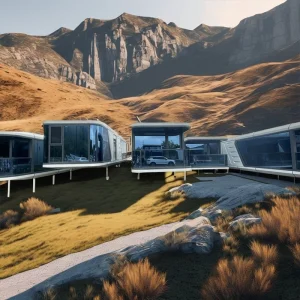
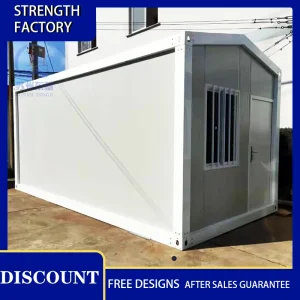
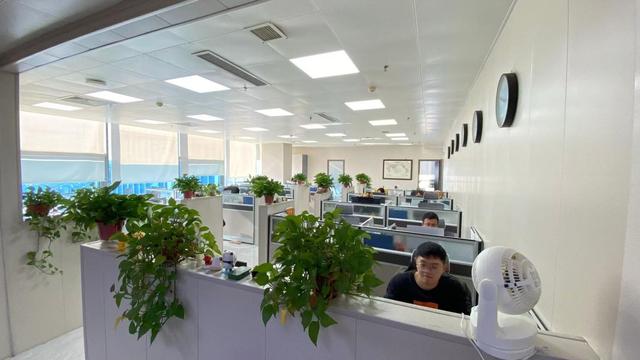
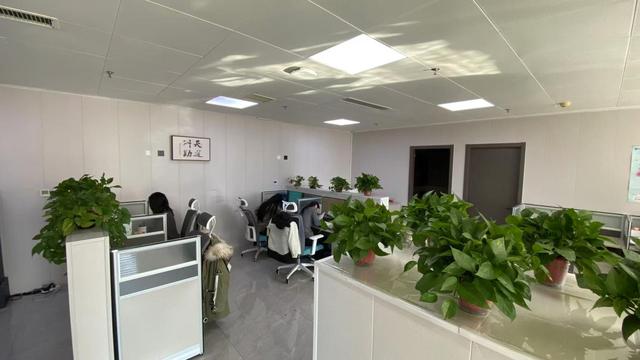
Transparency is fundamental to E-E-A-T. Here we present our actual manufacturing environments in Foshan, China, verifying the structural and insulating methods built into every shipment.

 JNM HomeTech