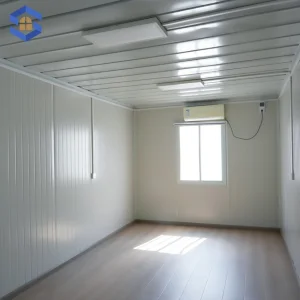
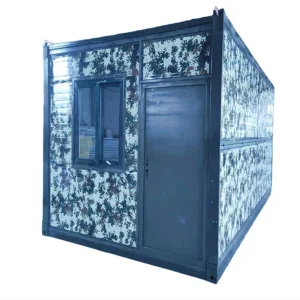
The global demand for temporary housing solutions has shifted from basic, emergency shelters to engineered modular infrastructure. Modern commercial, mining, oil & gas, defense, and disaster relief sectors require prefabricated structural envelopes that meet strict safety, durability, and thermoregulation criteria. In an era marked by rapid urbanization, supply chain constraints, and climate fluctuations, traditional on-site construction is frequently replaced by factory-controlled, precision-engineered modular systems.
Exporting structural steel modules demands deep compliance with international building codes. Whether shipping to the extreme wind loads of Southeast Asia, the freezing winters of Northern Europe, or the seismic conditions of the Pacific Ring, structural engineering must address load-bearing calculations, corrosion resistance, and thermal efficiency. The industry standard has progressed toward structural designs that minimize shipping volumes while optimizing on-site assembly, transforming logistics and lowering total installation costs (TCO).
The use of single-use building materials is declining. Modern temporary housing units incorporate recycled structural structural steel components and mineral wool core panels, driving toward carbon-neutral operations. These panels are designed for end-of-life disassembly, allowing components to be repurposed or recycled with minimal environmental impact.
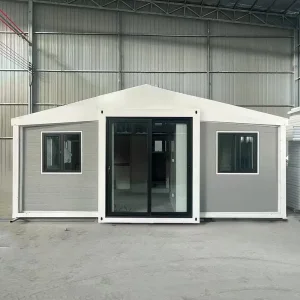
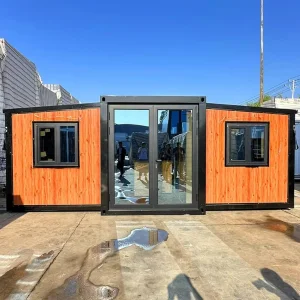
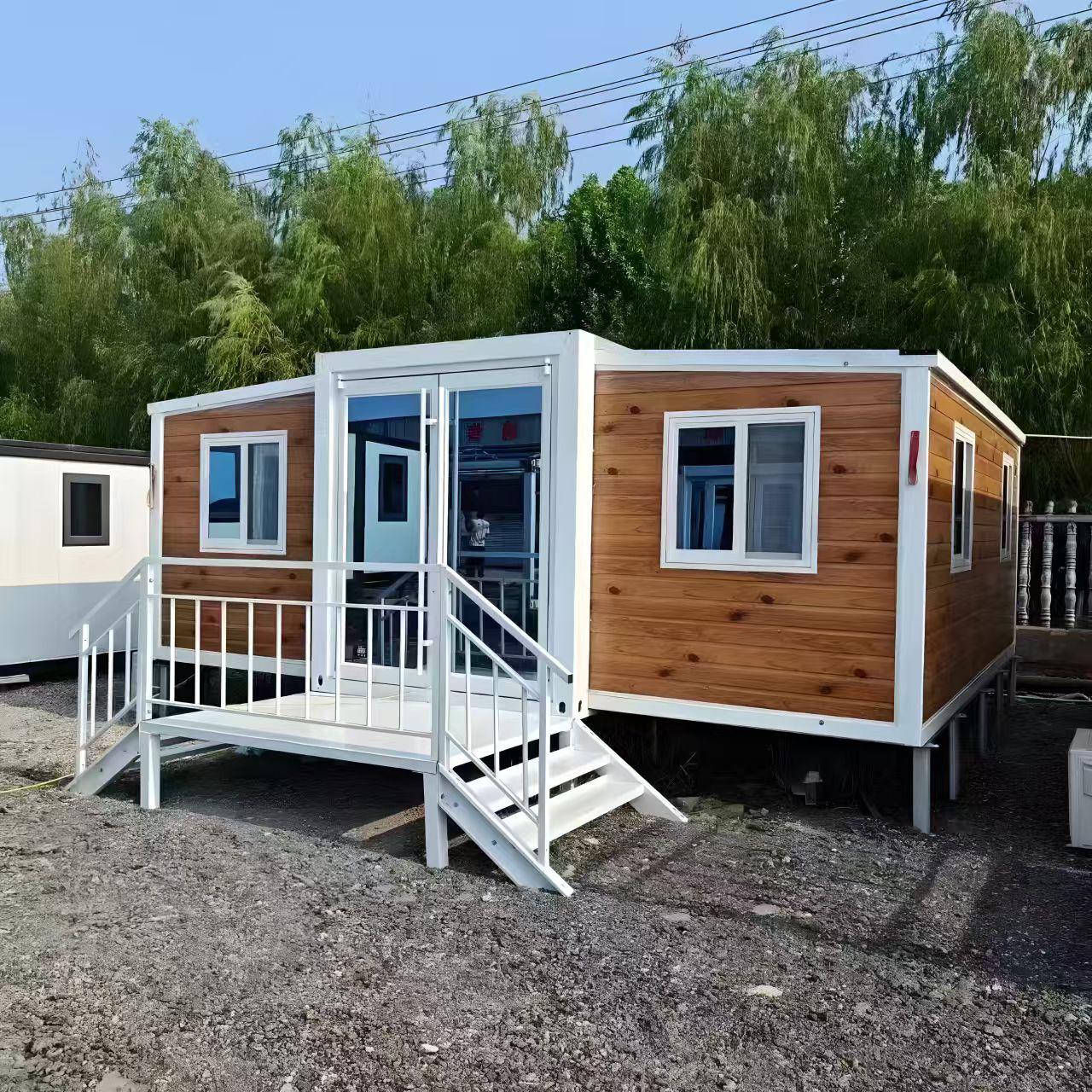
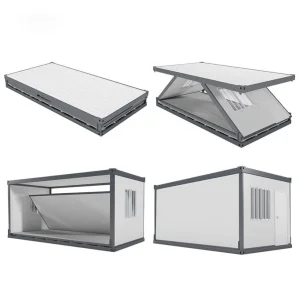
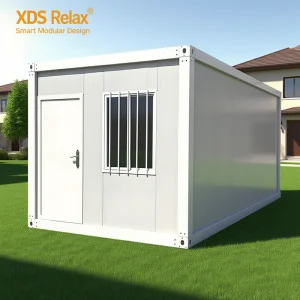
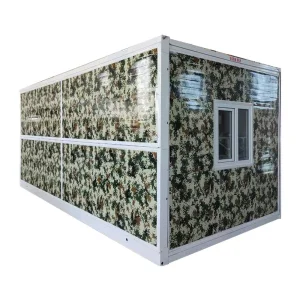
Site labor costs continue to rise globally. The industry has adopted expandable, foldable, and flat-pack systems that can be unfolded and assembled within minutes rather than days. These mechanisms utilize heavy-duty galvanized structural hinges, internal counter-weight assist schemes, and quick-lock utility couplings to speed up commissioning.
Today's projects require modular envelopes that function effectively in extreme environments, from desert heat to arctic cold. Advanced thermal-break window frames, polyurethane (PU) sandwich panels, and reflective rooftop coatings minimize thermal bridging, reducing reliance on HVAC systems and lowering operating costs.
Foshan JNM HomeTech Co., Ltd. is a professional modular container house manufacturer based in Foshan, China, specializing in the design, production, and global supply of innovative prefabricated building solutions. With a strong focus on efficiency, durability, and modern living standards, the company offers a comprehensive range of products including expandable container houses, foldable container homes, and flat pack modular buildings.
Backed by advanced manufacturing facilities and an experienced engineering team, JNM HomeTech integrates smart structural design with high-quality materials to ensure fast installation, cost-effective transportation, and long service life. Its modular housing systems are widely used for residential living, construction site accommodation, emergency housing, mobile offices, and commercial spaces.
The company is committed to meeting diverse customer needs through flexible customization, covering layout design, insulation solutions, and integrated utility systems. With strict quality control processes and compliance with international standards, JNM HomeTech delivers reliable prefab buildings to clients across Europe, Southeast Asia, the Middle East, and beyond.
Driven by innovation and sustainability, Foshan JNM HomeTech continues to develop eco-friendly and energy-efficient housing solutions, helping customers build smarter, faster, and more adaptable spaces worldwide.
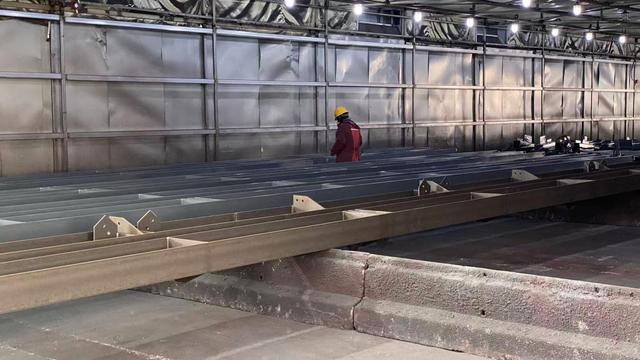
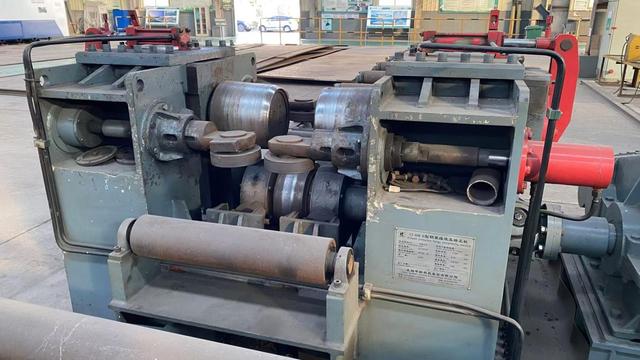
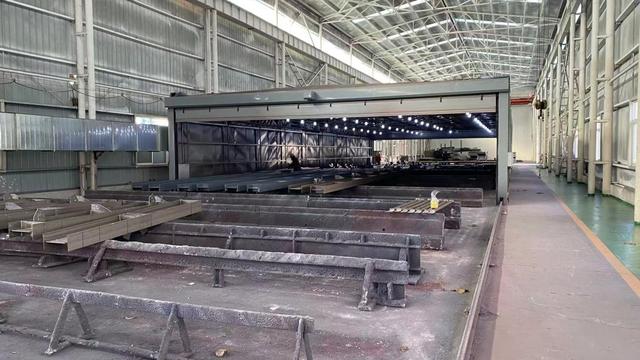
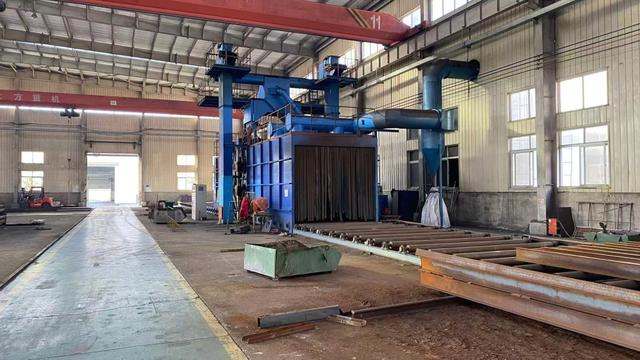
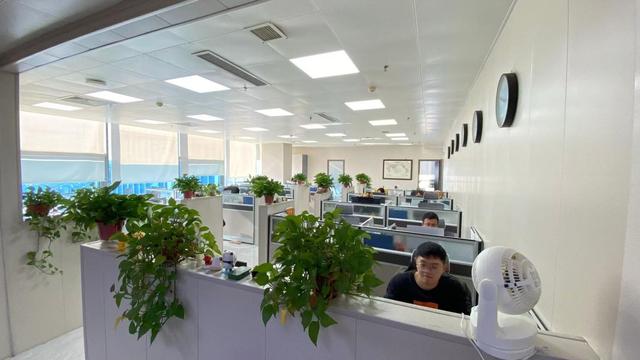
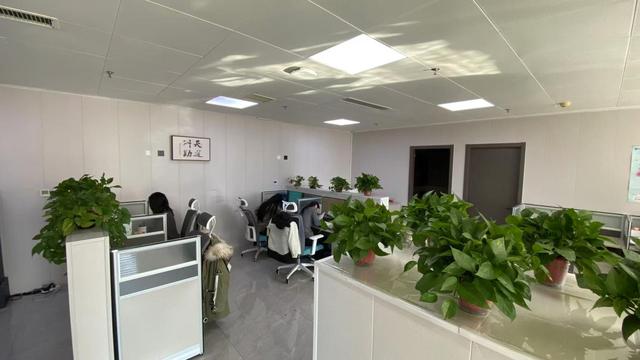
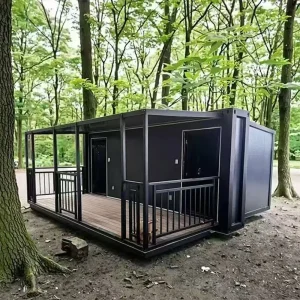
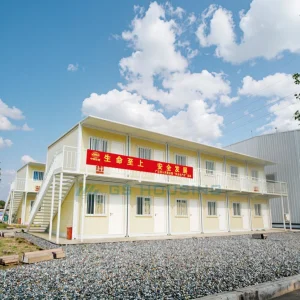
In remote regions where traditional construction is not viable, JNM modular container structures serve as complete workforce housing. Designed to stand up to heavy dust, temperature fluctuations, and constant use, these systems include integrated dorms, kitchen blocks, and recreation spaces. Flat-pack delivery optimizes transport logistics for remote sites.
During health crises or natural disasters, rapid mobilization is critical. JNM's prefabricated modular units are ready to deploy and install, transforming quickly into temporary hospitals, triage centers, and isolation wards. Double-wing expandable models deliver large usable floor plans shortly after arrival on site.
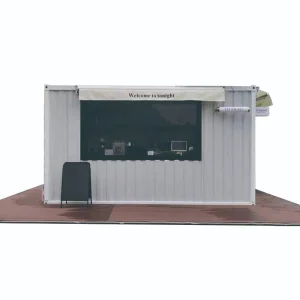
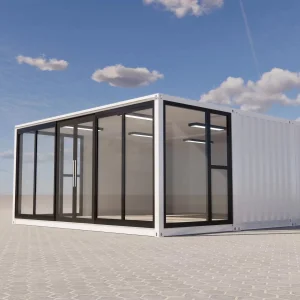
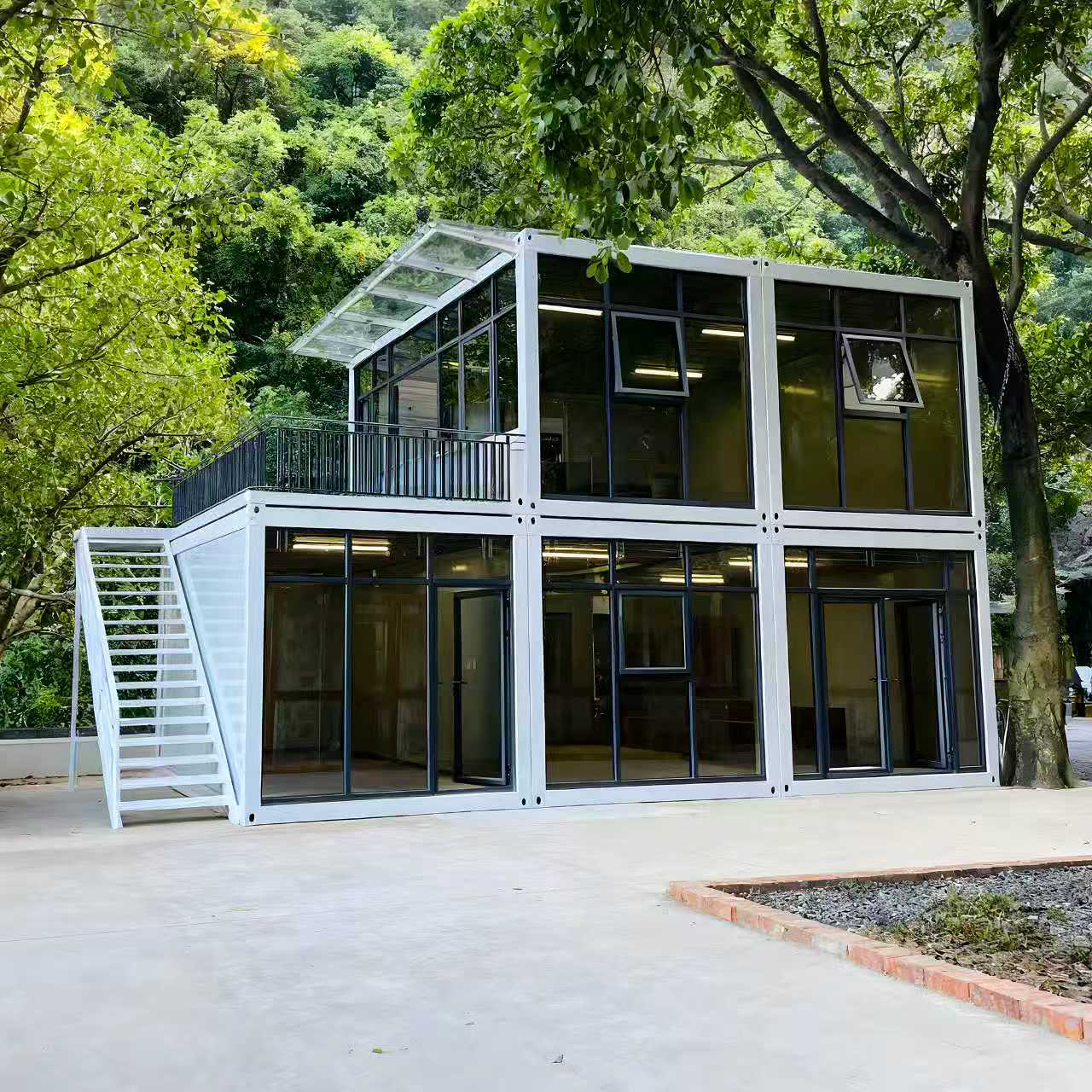
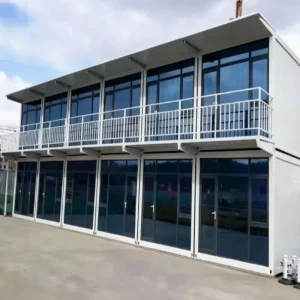
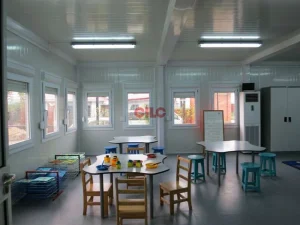
Modern construction projects require secure, on-site administrative facilities. Our flat-pack container office units offer insulated workspaces, portable classrooms, and retail mobile shops that can be stacked up to three stories. These configurations meet safety codes while providing a comfortable office environment.
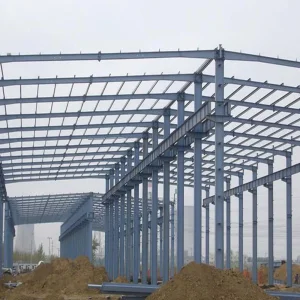
Our engineering process is driven by continuous material testing. The physical limits of steel-framed modular architecture are continuously extended through structural analysis. Below is the structural datasheet outlining JNM HomeTech's current engineering specifications.
| Structural Parameter | Standard Specification | Extreme / Custom Option |
|---|---|---|
| Steel Framework Material | Q235 Hot-Dip Galvanized Steel (Thickness: 2.5mm - 3.0mm) | Q345 Heavy-Duty Structural Grade (Thickness up to 4.0mm) |
| Wall Panel Options | 50mm/75mm EPS / Rockwool sandwich panel (120kg/m³) | 100mm/150mm PU/PIR Fire-Retardant Panels (B1 class) |
| Roof Structure | Four-side drain system with integrated downspouts | Double-slope heavy snow load roof extensions |
| Wind Load Resistance | Up to 110 km/h (Class 10 Typhoon equivalent) | Up to 150 km/h (Reinforced structural members) |
| Seismic Performance | Grade 7 Acceleration Resistance | Grade 9 Anti-Seismic base structures |
| Floor Payload Capacity | 2.0 kN/m² (Standard Residential Load) | 4.5 kN/m² (Heavy commercial / office load) |
Our technical roadmap targets three primary areas of development:
 JNM HomeTech