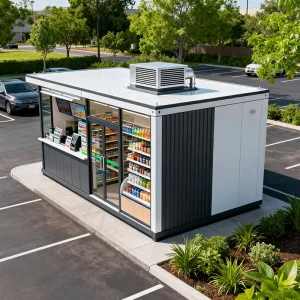
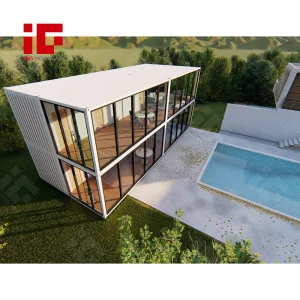
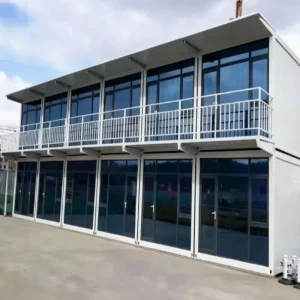
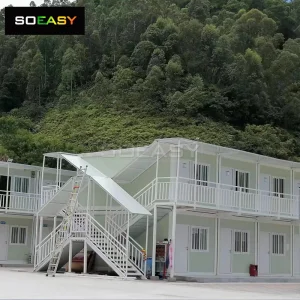
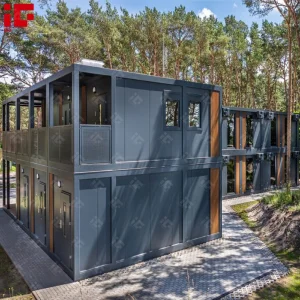
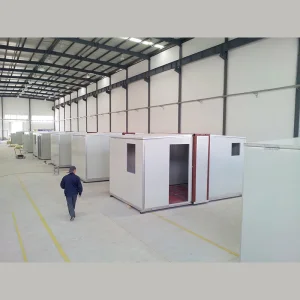
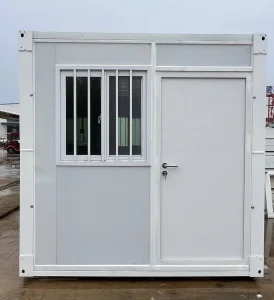
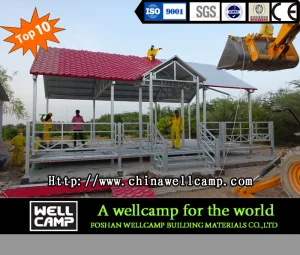
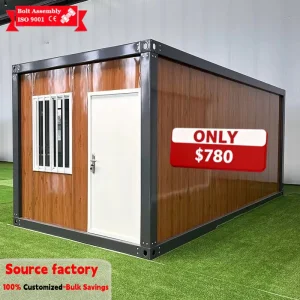
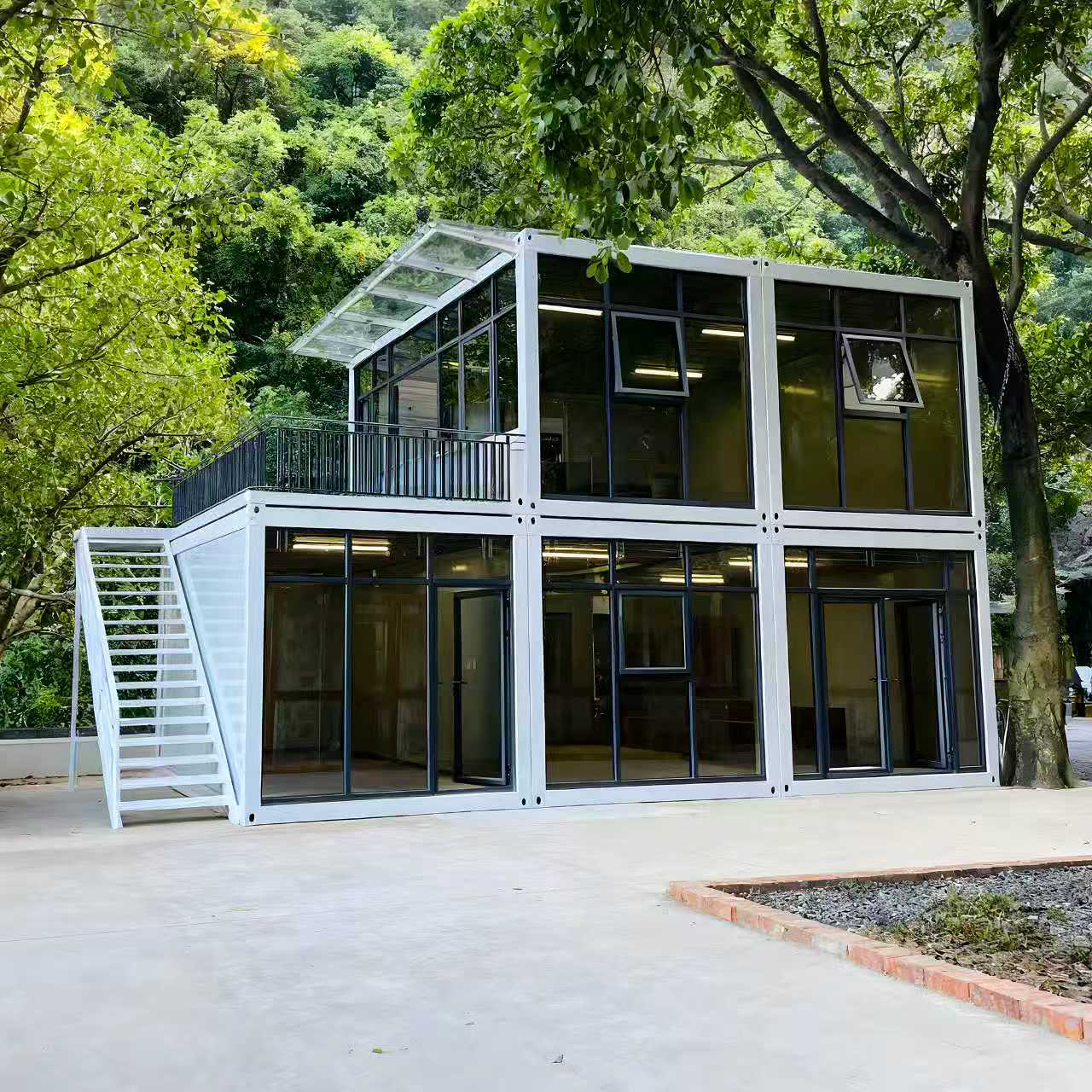
As 68% of the world's population is projected to live in urban areas by 2050, modular multi-story buildings offer a solution to land scarcity, allowing vertical expansion with 50% faster delivery times.
Modular construction reduces material waste by up to 90% and decreases site disruption. Carbon footprints are minimized through optimized logistics and high-performance insulation systems.
Traditional construction faces labor shortages and cost overruns. Off-site manufacturing ensures price certainty and enables early occupancy, significantly improving the Internal Rate of Return (IRR) for developers.
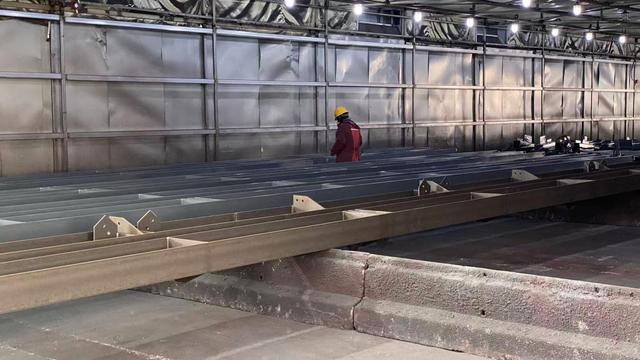
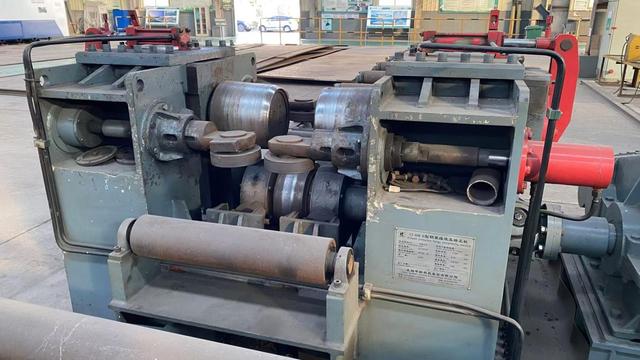
The evolution of multi-story modular buildings is driven by advanced engineering. Modern factories no longer just "build boxes"; they integrate sophisticated MEP (Mechanical, Electrical, Plumbing) systems into a structural core.
| Technology Layer | Standard Modular | Advanced Multi-Story (Factory 4.0) |
|---|---|---|
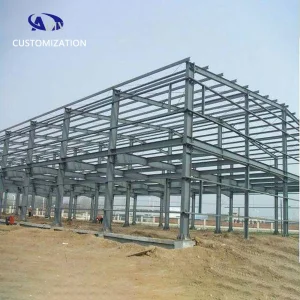
| Structural Integrity | Light gauge steel / Wood frame | Hot-rolled heavy steel frames with inter-modular connections |
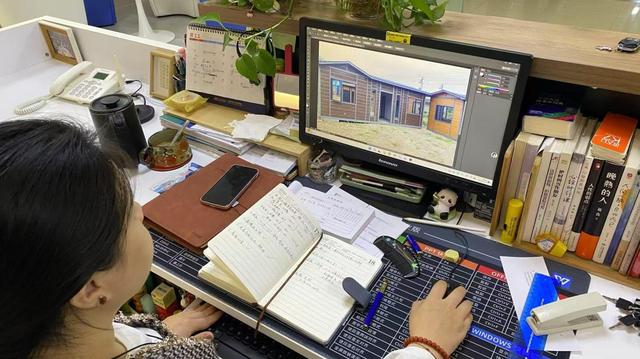
| Design Process | 2D CAD drawings | BIM (Building Information Modeling) Level 3 with Digital Twins |
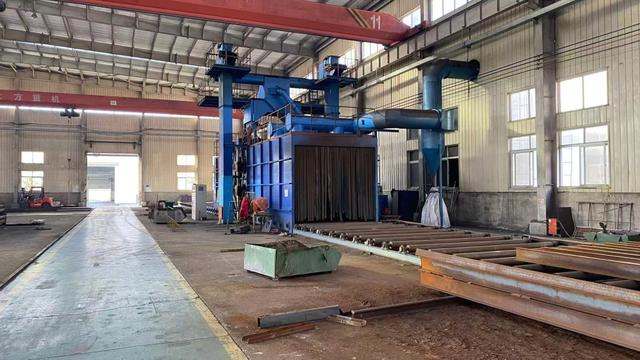
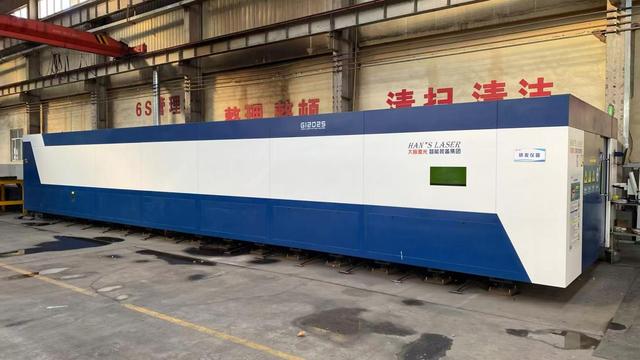
| Fabrication | Manual assembly line | Robotic welding & automated panelization (DFMA) |
| Performance | Basic insulation | Passive House standards, acoustic decoupling, fire-rated partitions |
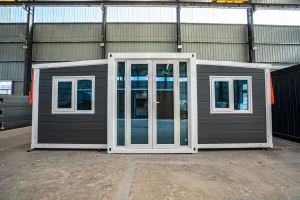
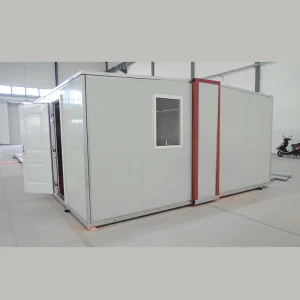
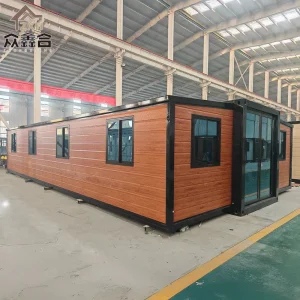
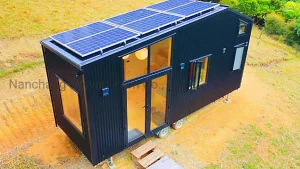
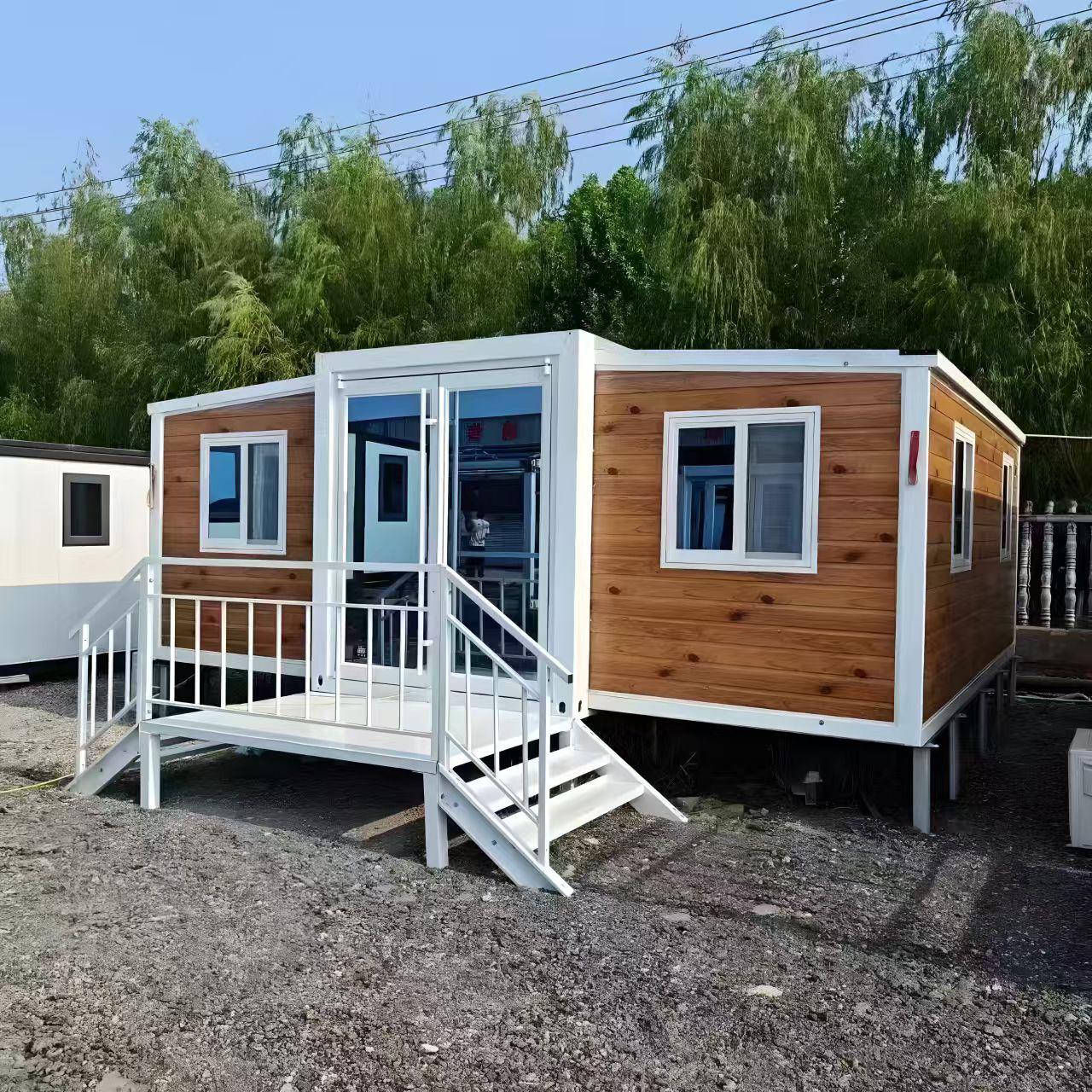
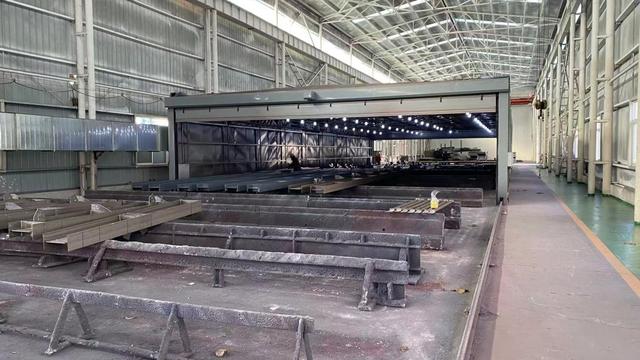
Foshan JNM HomeTech Co., Ltd. is a professional modular container house manufacturer based in Foshan, China, specializing in the design, production, and global supply of innovative prefabricated building solutions. With a strong focus on efficiency, durability, and modern living standards, the company offers a comprehensive range of products including expandable container houses, foldable container homes, and flat pack modular buildings.
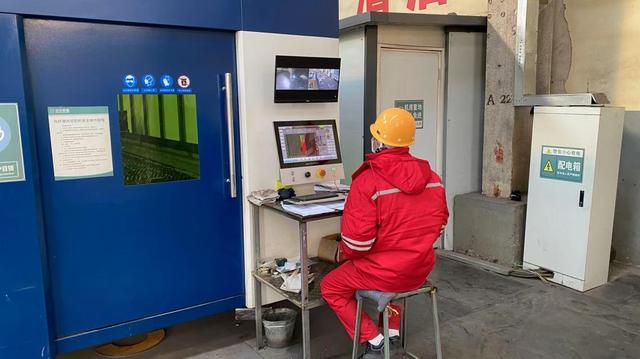
Backed by advanced manufacturing facilities and an experienced engineering team, JNM HomeTech integrates smart structural design with high-quality materials to ensure fast installation, cost-effective transportation, and long service life. Its modular housing systems are widely used for residential living, construction site accommodation, emergency housing, mobile offices, and commercial spaces.
The company is committed to meeting diverse customer needs through flexible customization, covering layout design, insulation solutions, and integrated utility systems. With strict quality control processes and compliance with international standards, JNM HomeTech delivers reliable prefab buildings to clients across Europe, Southeast Asia, the Middle East, and beyond.
Successful global procurement requires adherence to local codes: IBC/IRC in the USA, Eurocodes (EN) in Europe, and AS/NZS in Oceania. Ensure your supplier provides certified structural calculations.
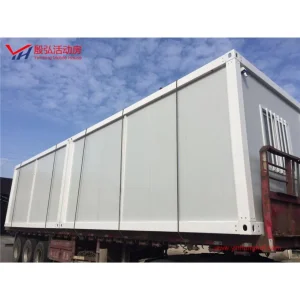
For multi-story projects, freight costs can dictate feasibility. Opt for Flat-Pack or Detachable systems to maximize container space (80% cost reduction compared to fully assembled shipping).
A supplier's value is in their support. Look for factories that offer digital installation manuals, VR walkthroughs, or fly-in engineering supervisors for complex multi-story stacking.
The "Top 10" suppliers are currently pivoting towards Smart Modular Integration. Future multi-story buildings will feature:
 JNM HomeTech