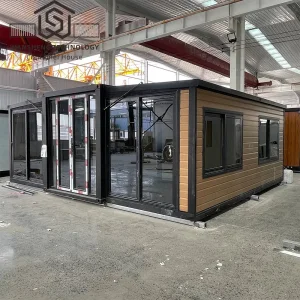
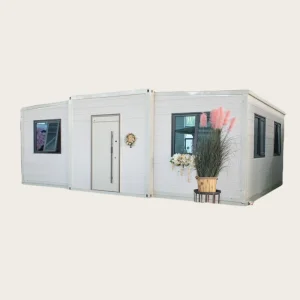
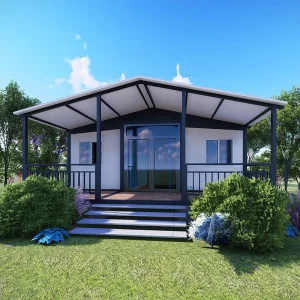
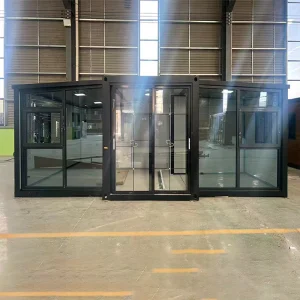
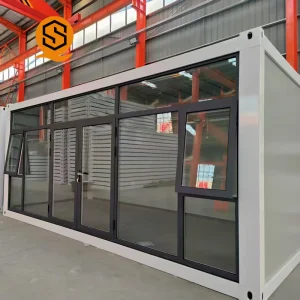
Explore our premium grade expandable and custom prefabricated container systems engineered for durability, quick deployment, and optimal structural load ratings.
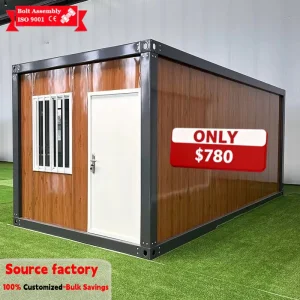
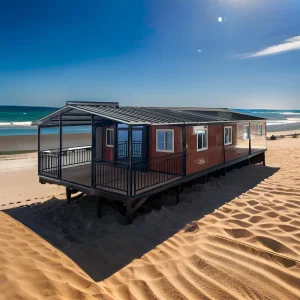
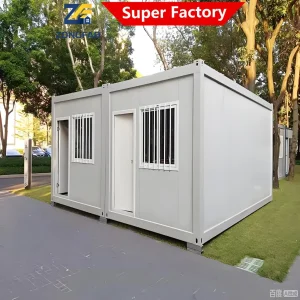
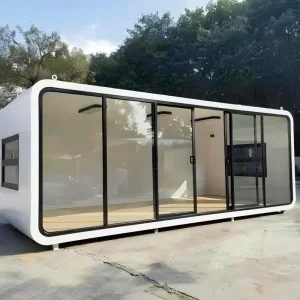
Established as a professional modular container house manufacturer in the heart of Foshan, China, Foshan JNM HomeTech Co., Ltd. specializes in the structural engineering, high-volume production, and global exportation of advanced prefabricated building systems.
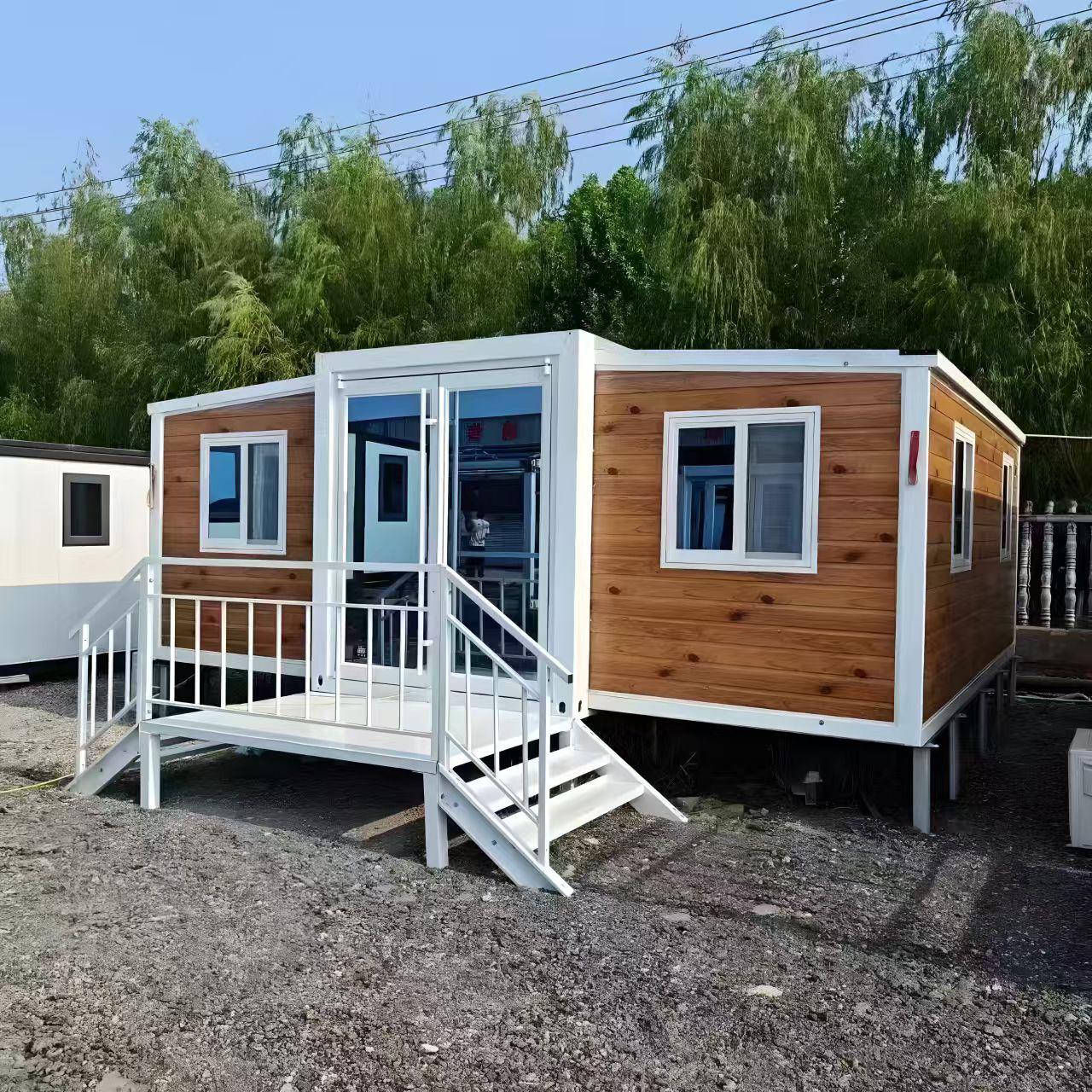
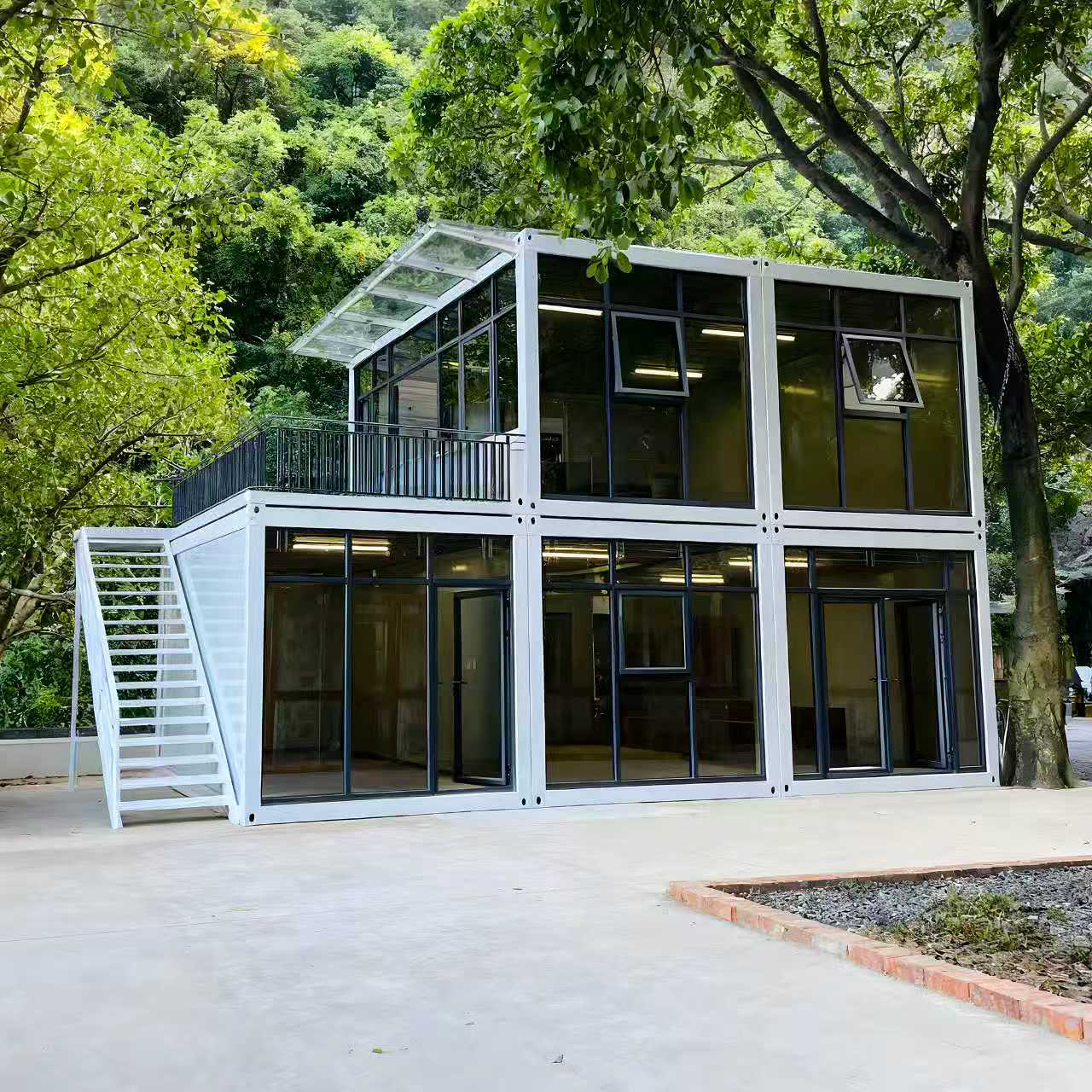
By integrating smart architectural design with high-tensile structural frames and superior insulation composite panels, we ensure our structures deliver unmatched deployment speed, logistical optimization, and prolonged structural lifespans. Our primary production catalog includes high-capacity expandable container units, rapidly deployable foldable houses, and customizable flat pack modular structures.
Our engineering workflow relies on rigorous testing protocols (including finite element load analysis and structural deflection limits) to comply with international seismic and aerodynamic requirements. This standard of performance makes our units highly sought after for remote worker housing, tactical disaster relief shelters, off-grid eco-cabins, and commercial developments across EMEA, APAC, and the Americas.
Why sourcing your container fleet from the global core of structural steel production ensures unparalleled quality-to-cost metrics.
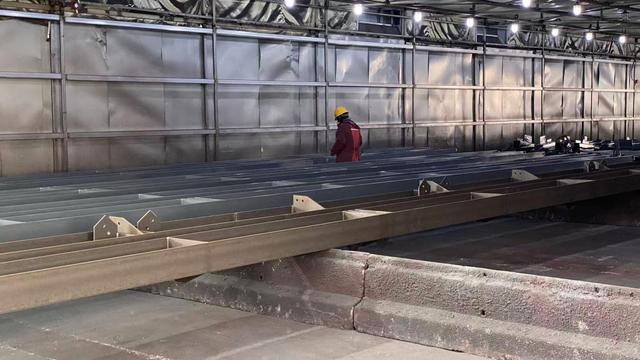
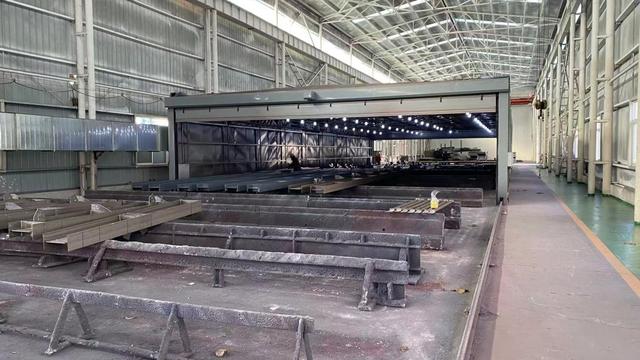
Foshan's industrial cluster provides direct mill access to high-grade Q235B and Q355B structural carbon steel. Our structural frames receive hot-dip galvanization (minimum coating mass of 120-275g/m²) combined with multi-layer powder-coating to secure C3 to C4 corrosion resistance classifications.
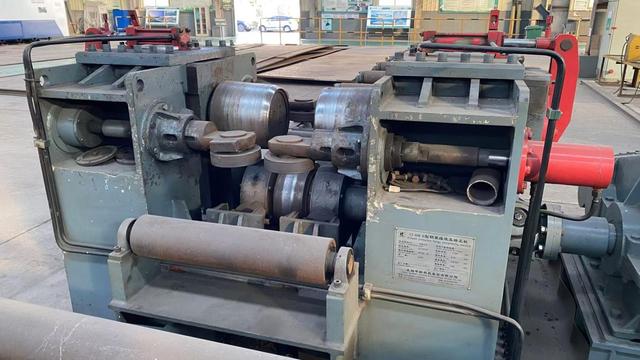
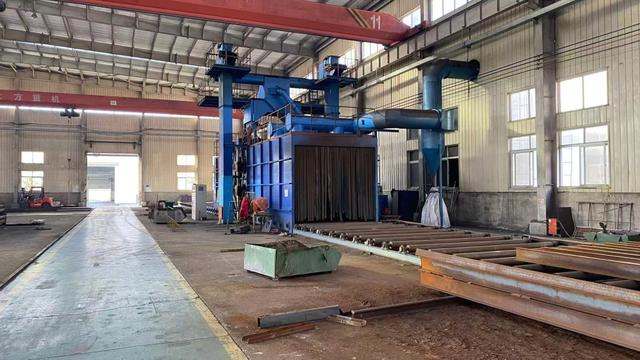
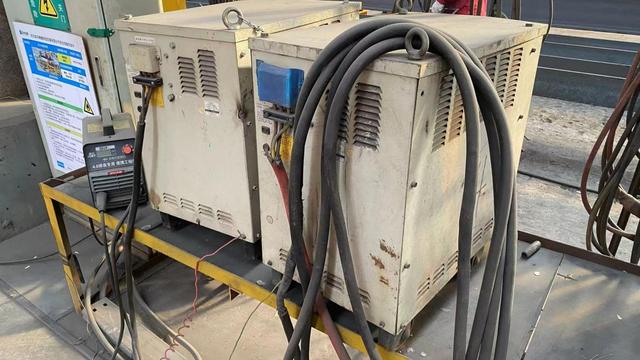
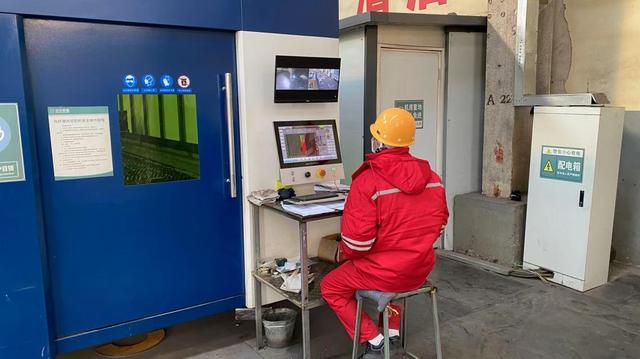
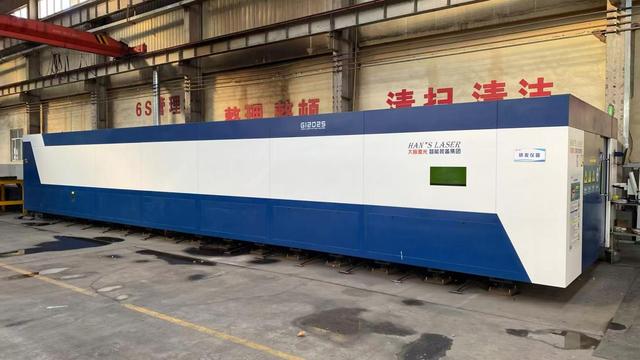
By using CNC laser profile cutters, automated multi-head gantry welding rigs, and robotic painting facilities, JNM HomeTech guarantees dimensional accuracy down to ±0.5mm. This degree of tooling precision prevents structural misalignment during the unfolding process at job sites.
Operating in Foshan allows us to fully integrate local, certified interior materials—ranging from CE/SAA/UL marked power components to WaterMark certified drainage fixtures. This simplifies compliance and ensures consistent quality under one master shipping bill.
Overcoming jurisdictional friction through precise engineering adjustments designed for regional building codes.
For Oceanic regions (Australia & New Zealand) and the Americas, structural engineering must address wind velocities, seismic zones, and heavy snow loads. JNM HomeTech designs units configured to withstand up to Wind Region C (cyclonic wind speeds up to 60m/s) and Seismic Performance Category D. We calculate deflection criteria and provide full documentation packages, allowing engineers to secure quick local council approvals (e.g., DA/BA approval stages in Australia).
Managing heat transfer across divergent climates is a primary operational requirement. Our sandwich wall panels are available in varying core materials and thicknesses:
• Polyurethane (PU): Offers the highest thermal resistance (R-value) for sub-zero environments.
• Rock Wool: Class A1 non-combustible classification, ideal for industrial camps.
• Expanded Polystyrene (EPS): Lightweight, structural cost-effective.
Double-glazed, argon-filled low-E window panes prevent interior moisture condensation and optimize thermal efficiency.
How technical advancements in materials science, automation, and energy networks shape modern site setup.
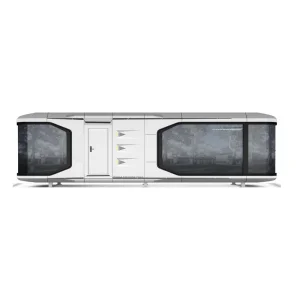
Modern remote operations depend on self-sustaining microgrids. The latest models, such as the smart Apple Cabins, feature structural roof brackets designed for high-efficiency photovoltaic (PV) arrays, integrated inverter systems, and lithium-iron-phosphate (LFP) energy storage to achieve power independence.
Units are increasingly configured with integrated low-voltage buses to support IoT climate automation, smart ventilation controllers, automated energy monitoring, and remote security systems. This digital framework provides commercial property operators with centralized fleet control.
Using 100% recyclable structural steel and mineral wool core panels lowers the embodied carbon footprint of the project. Compared to traditional on-site construction methods, prefabricated dry-joining reduces overall site waste by more than 85%.
From rugged mining sites to fast-response disaster zones and luxury off-grid retreats, discover how our units adapt to diverse field environments.
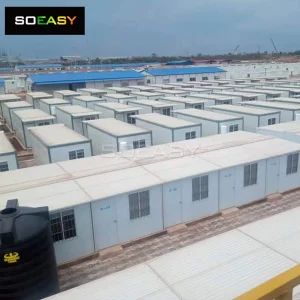
Remote extraction complexes require structural strength, high spatial capacity, and hygienic living quarters that can be easily relocated once resource reserves change. Our expandable multi-wing dorms pack flat for standard container logistics, then unfold into high-density housing complete with ensuite plumbing, central HVAC ducts, and fire-resistant partitions.
When natural disasters strike, speed is the key variable. Foldable shelters can be erected by unskilled crews in under 15 minutes per unit. High structural strength allows multiple modules to form emergency clinics, relief control hubs, and temporary schools, keeping displaced populations safe and sheltered during crises.
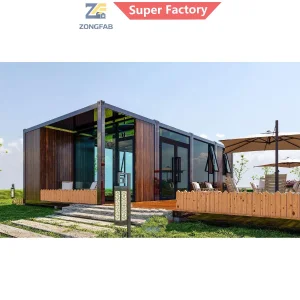
Modern hospitality developers look to minimize site preparation and avoid environmental disruption. Prefabricated modular glass cabins and solar-powered Apple Cabins can be placed on light screw-pile foundations. These units can be quickly relocated, protecting the surrounding ecosystem while offering premium amenities.
Tight urban building footprints benefit from the modular nature of our stackable flat packs. Multi-story office spaces, popup retail zones, and school classrooms can be assembled quickly without the heavy machinery footprint, road closures, and noise pollution of traditional construction sites.
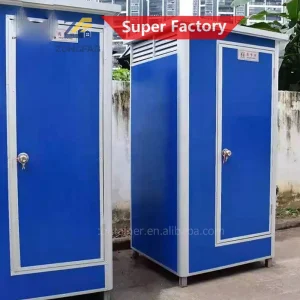
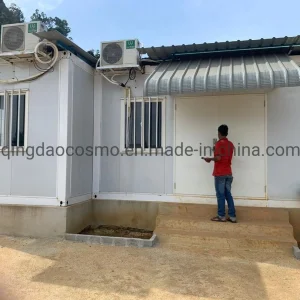
Refining field accommodations with luxury extensions, sanitation stations, and heavy-duty industrial configurations.
How JNM HomeTech partners with global EPC contractors, developers, and brands to transition from structural concepts to volume production.
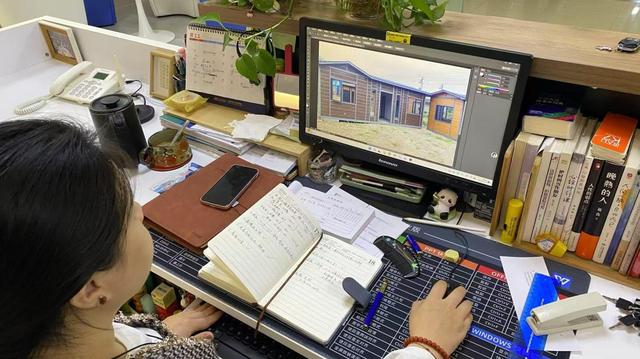
Our structural team converts your requirements into detailed CAD drafts and 3D BIM models. This ensures correct integration of structural calculations, electrical layout routes, plumbing drops, and precise physical clearance allowances.
Before launching high-volume production, we fabricate a prototype unit to perform structural stress checks, verify seal integrity, and test the ease of manual/hydraulic expansion systems under simulated field conditions.
Once approved, the build is queued in our automated assembly shop. Each production stage—from raw steel cutting through final surface prep—is cataloged for quality control, assuring full material traceability.
Clear, direct answers regarding logistics, thermal engineering, structural limits, and global custom requirements.
Our standard double-wing expandable configurations are engineered to withstand winds up to 110-120 km/h (equivalent to wind class N3 or Region B). For high-wind areas, we offer reinforced structures utilizing Q355B high-strength structural steel, upgrading the rating to Region C (up to 220 km/h). Seismic response parameters are mapped to resist earthquakes up to Seismic Zone 8 without structural deformation.
One of the primary benefits of our design is transport efficiency. When folded, the 20ft units fit standard 40ft High Cube (HQ) shipping containers, which significantly lowers international freight costs. Typically, one 40ft HQ can hold two complete folded 20ft expandable units. Upon arrival, they can be unloaded using a standard 3-ton to 5-ton forklift or crane.
Yes. As a major global exporter, compliance with local regulatory frameworks is standard practice. We pre-wire units using UL-compliant wiring for North America, SAA-certified cables, switches, and plugs for Australia and New Zealand, and CE/EN certified components for European markets. Plumbing configurations are modified to match either metric or imperial standards, using AS3500, UPC, or EN codes based on location.
We work with 50mm, 75mm, and 100mm sandwich wall configurations using polyurethane (PU), rock wool, or EPS. For cold climates, we recommend PU panels to achieve low U-values. The typical design life of the primary galvanized steel structural skeleton exceeds 20 to 25 years, provided standard exterior maintenance schedules are followed.
For standard configurations, the MOQ starts at 1 unit. For custom OEM/ODM options—such as modified floor plans, custom structural dimensions, unique window locations, or complex architectural finishes—the MOQ is typically 2 to 4 units (or one full 40ft HQ container). This helps distribute custom fabrication costs efficiently.
 JNM HomeTech