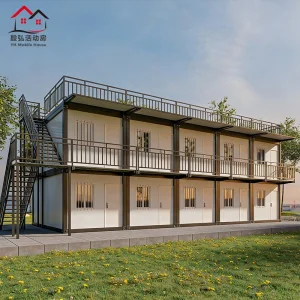
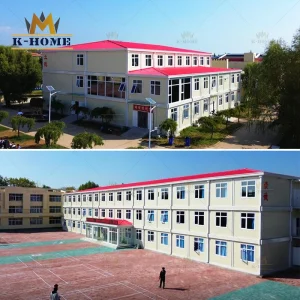
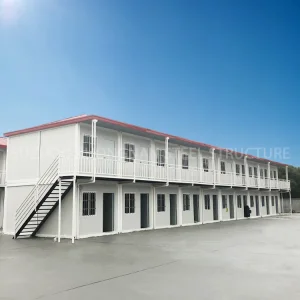
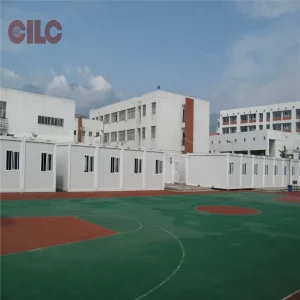
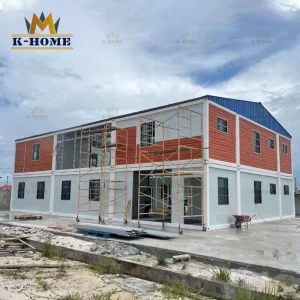
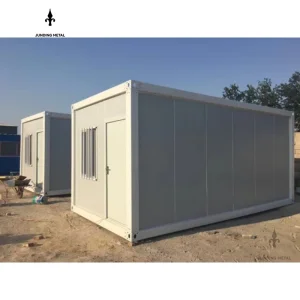
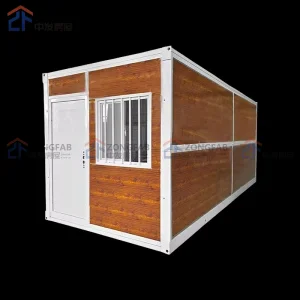
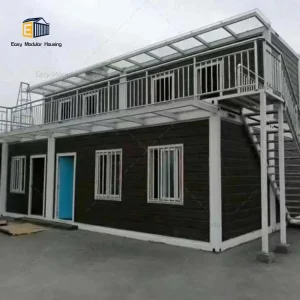
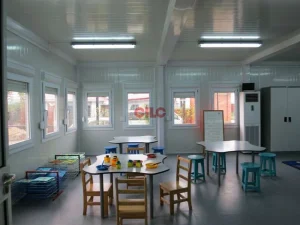
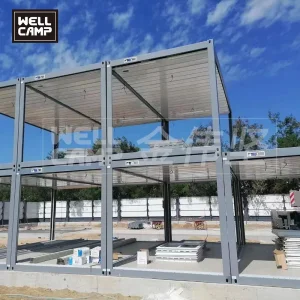
The landscape of educational architecture in Japan is undergoing a radical transformation. As a leading Container Classroom and School Building Factory & Exporter, we have observed a significant shift toward modularity in the Japanese market. Traditionally, Japanese school construction relied on heavy concrete and steel permanent structures. However, with the increasing frequency of natural disasters and the need for flexible, "GIGA School Program" compatible facilities, modular container solutions have become the gold standard.
Japan's Ministry of Education (MEXT) is driving the GIGA School initiative, which requires high-tech, digitally integrated classrooms. Our container school buildings are designed with built-in fiber-optic conduits and smart-board mounting points specifically for the Tokyo and Osaka urban districts.
Safety is paramount. Japan's strict building codes require exceptional seismic resistance. Our factories produce containers that exceed ISO standards, integrating high-tensile steel frames that absorb seismic energy, essential for regions like Shizuoka and Tohoku.
Japanese local governments are prioritizing "Wood-Hybrid" or eco-friendly modular units. We offer container classrooms with superior thermal insulation (U-values optimized for Hokkaido winters) to minimize the carbon footprint of heating and cooling.
Japan’s demographic shift, characterized by a shrinking student population in rural areas and overcrowding in metropolitan hubs like Yokohama, necessitates buildings that can be moved or repurposed. Our prefabricated modular buildings offer the ultimate adaptability—schools can be expanded in weeks and relocated if the local demographic changes.
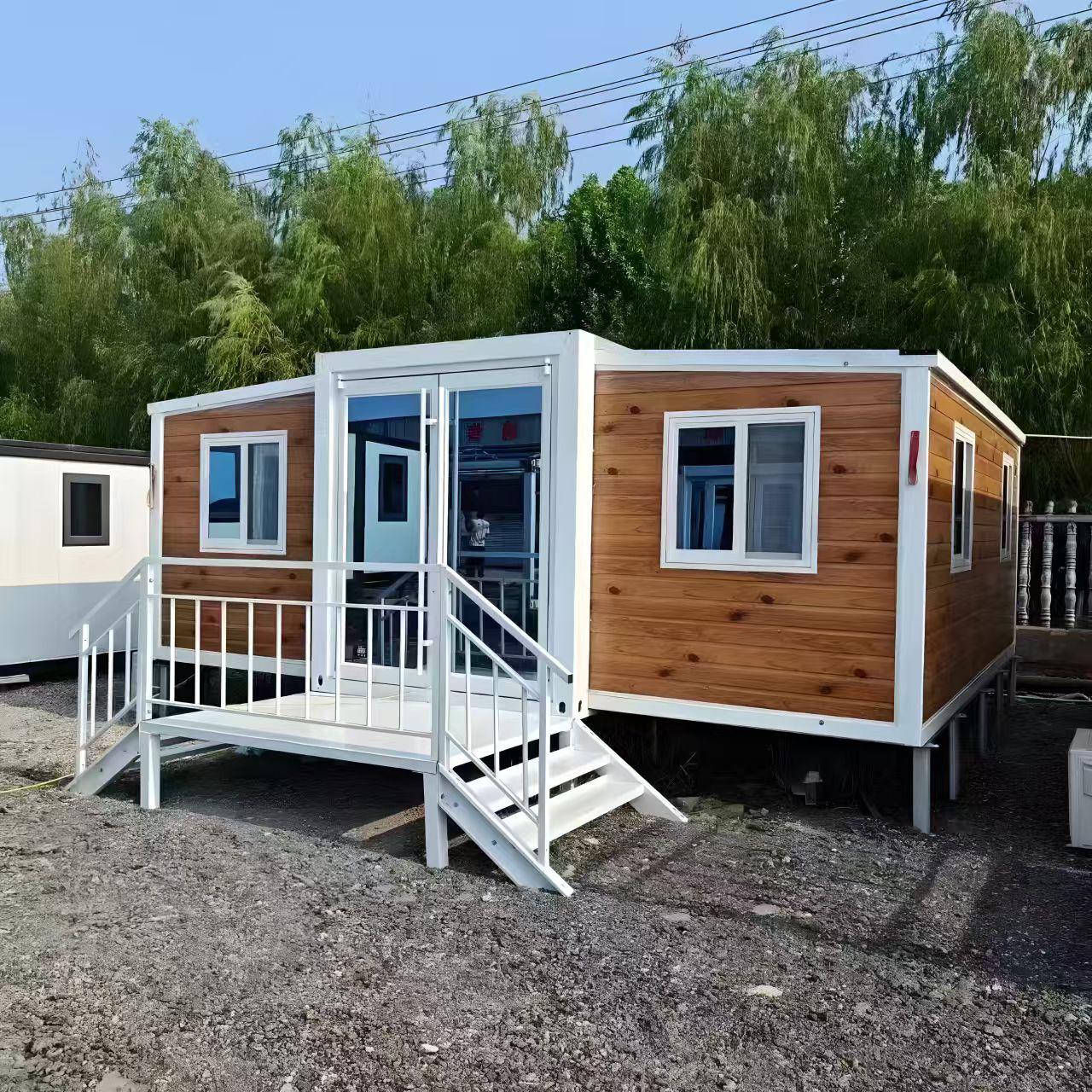
Foshan JNM HomeTech Co., Ltd. is a professional modular container house manufacturer based in Foshan, China, specializing in the design, production, and global supply of innovative prefabricated building solutions. For the Japanese market, we operate as a premier exporter, understanding the nuances of Japanese customs, logistics, and on-site assembly requirements.
Backed by advanced manufacturing facilities and an experienced engineering team, JNM HomeTech integrates smart structural design with high-quality materials to ensure fast installation, cost-effective transportation, and long service life. Our modular systems are particularly favored for temporary school classrooms, vocational training centers, and emergency educational facilities following natural disasters.
In regions prone to typhoons or earthquakes, our rapid-deploy classrooms provide a safe haven for students within 72 hours of site preparation. The modular nature allows for quick assembly in Noto or Kyushu disaster-relief zones.
Urban schools in Tokyo often lack the space for dedicated robotics or AI labs. Our containers can be placed on rooftops or existing parking lots, providing a fully equipped, sound-insulated environment for advanced technology education.
Exporting materials to Okinawa or the Ogasawara Islands is costly. Our flat-pack modular buildings reduce shipping costs by 75%, making high-quality education infrastructure accessible to Japan's most remote communities.
"We don't just export containers; we export the future of Japanese education through precision engineering and sustainable design."
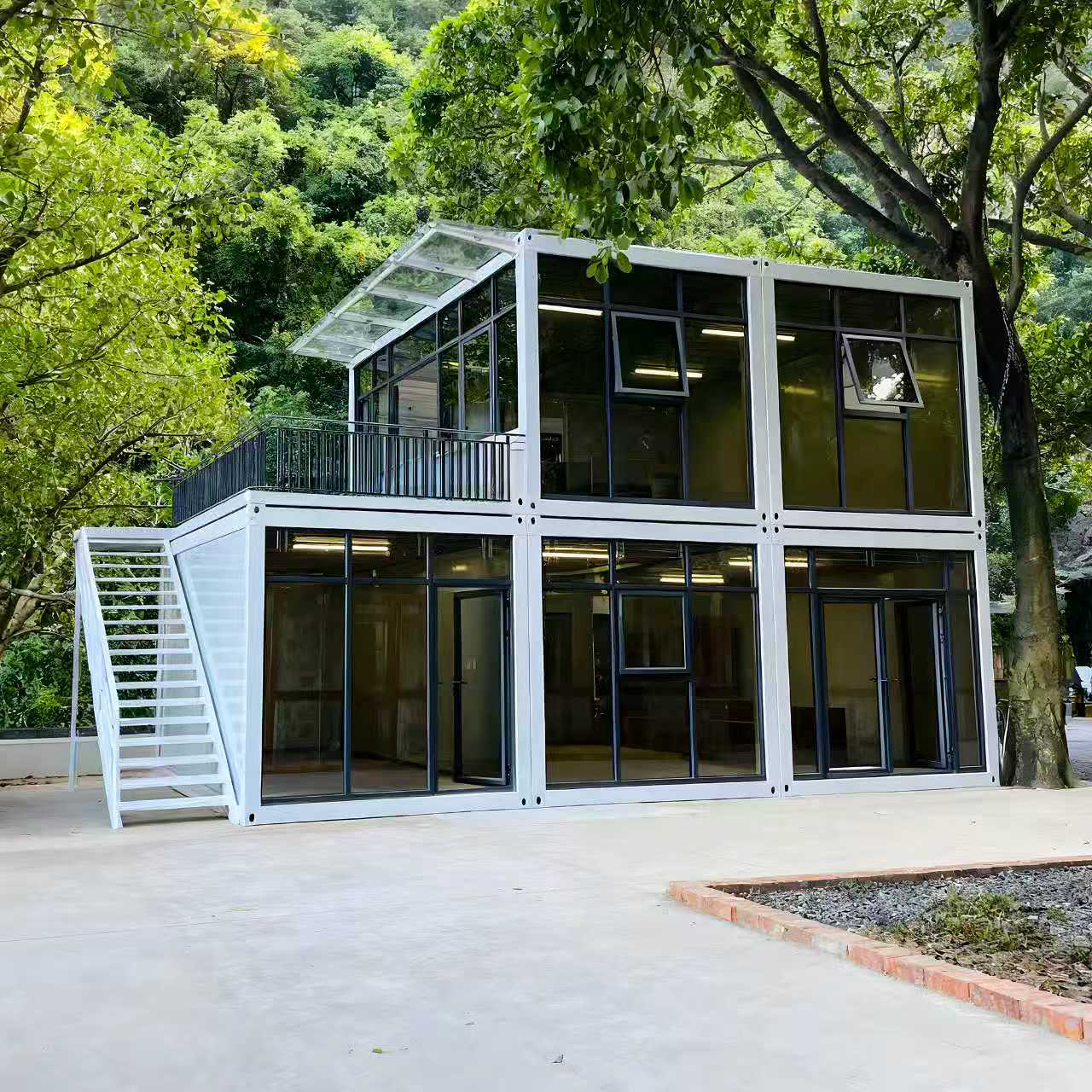
The commitment of Foshan JNM HomeTech extends beyond simple manufacturing. We are driven by a vision of sustainability that aligns perfectly with Japan's 2050 Carbon Neutral Goal. By using recycled steel and implementing modular construction methods that reduce on-site waste by 90%, we are helping Japanese educational institutions lead by example in the fight against climate change.
Our expandable container houses, foldable container homes, and flat pack modular buildings are not just temporary fixes; they are long-term assets. In Sapporo, our buildings withstand heavy snow loads; in Okinawa, they resist salt-spray corrosion. This versatility is why JNM HomeTech is the preferred partner for Japanese architects and educational planners looking for reliable, high-tech, and cost-effective building solutions.
As we continue to innovate, we are integrating AI-driven energy management systems into our container classrooms, allowing Japanese schools to monitor and optimize their energy usage in real-time. This is the future of modular building—smart, efficient, and perfectly tailored to the needs of the Japanese market.
 JNM HomeTech