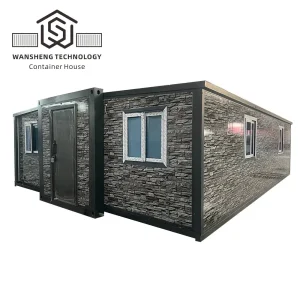
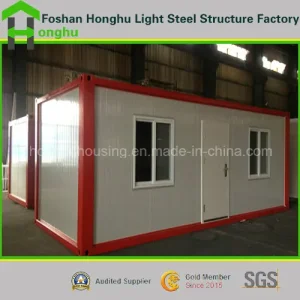
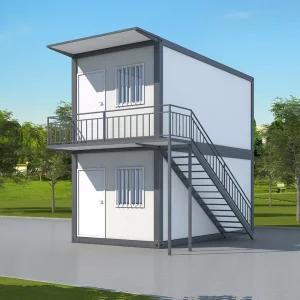
In the modern era of rapid industrialization and architectural evolution, utilitarian container structures have transcended their origin as basic shipping boxes to become the foundation of advanced, high-performance modular design. As global supply chains face volatile disruptions and site conditions demand shorter lead times, commercial entities, resource sectors, and municipal bodies require structures that are structurally robust, quickly deployable, and fully compliant with varying regional building codes.
At the forefront of this industrial transition stands Foshan JNM HomeTech Co., Ltd., a professional modular container house manufacturer based in Foshan, China. Specializing in the design, production, and global supply of innovative prefabricated building solutions, JNM HomeTech provides engineering solutions designed for complex environments. We integrate precision design, material science, and logistics expertise to export container systems that serve as permanent or semi-permanent commercial facilities, worker accommodations, and relief shelters globally.
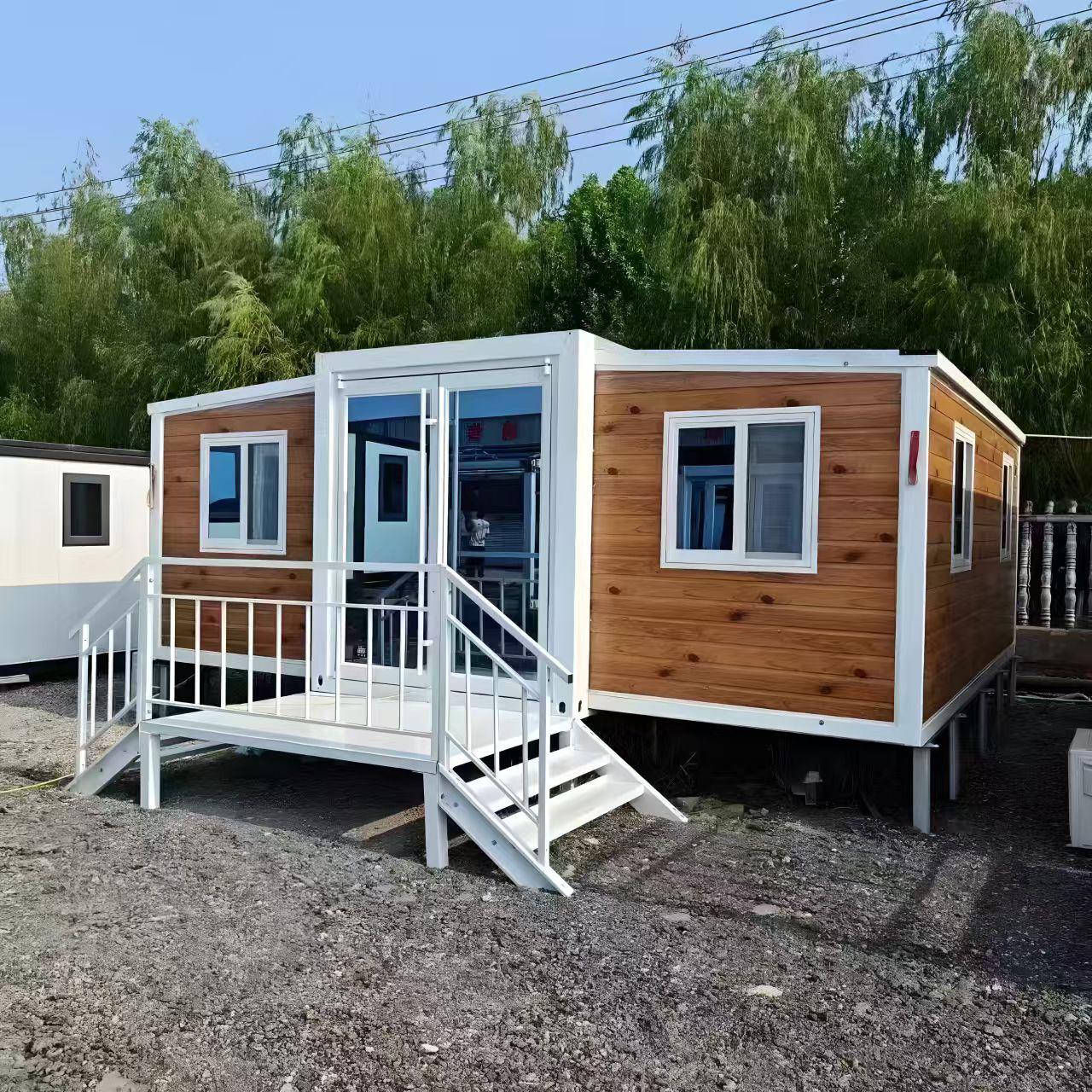
Utilitarian structures must endure harsh environmental stress, from seismic activity to extreme weather events. JNM HomeTech structural designs are modeled using finite element analysis (FEA) to confirm performance under varied load conditions:
Utilizing lightweight cold-formed structural steel frame configurations and integrated space frame systems, our shelters absorb and dissipate energy during seismic events, conforming to international safety standards.
Equipped with polyurethane (PU), mineral wool, or PIR sandwich panels, our structures minimize thermal bridging, achieving low U-values suitable for sub-zero climates and desert locations.
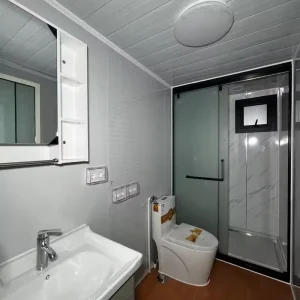
Pre-engineered wiring harnesses, integrated hydraulic systems, and factory-fitted HVAC ducts ensure our units are ready for plug-and-play field connection immediately upon delivery.
Backed by advanced manufacturing facilities and an experienced engineering team, JNM HomeTech integrates smart structural design with high-quality materials to ensure fast installation, cost-effective transportation, and long service life. Its modular housing systems are widely used for residential living, construction site accommodation, emergency housing, mobile offices, and commercial spaces.
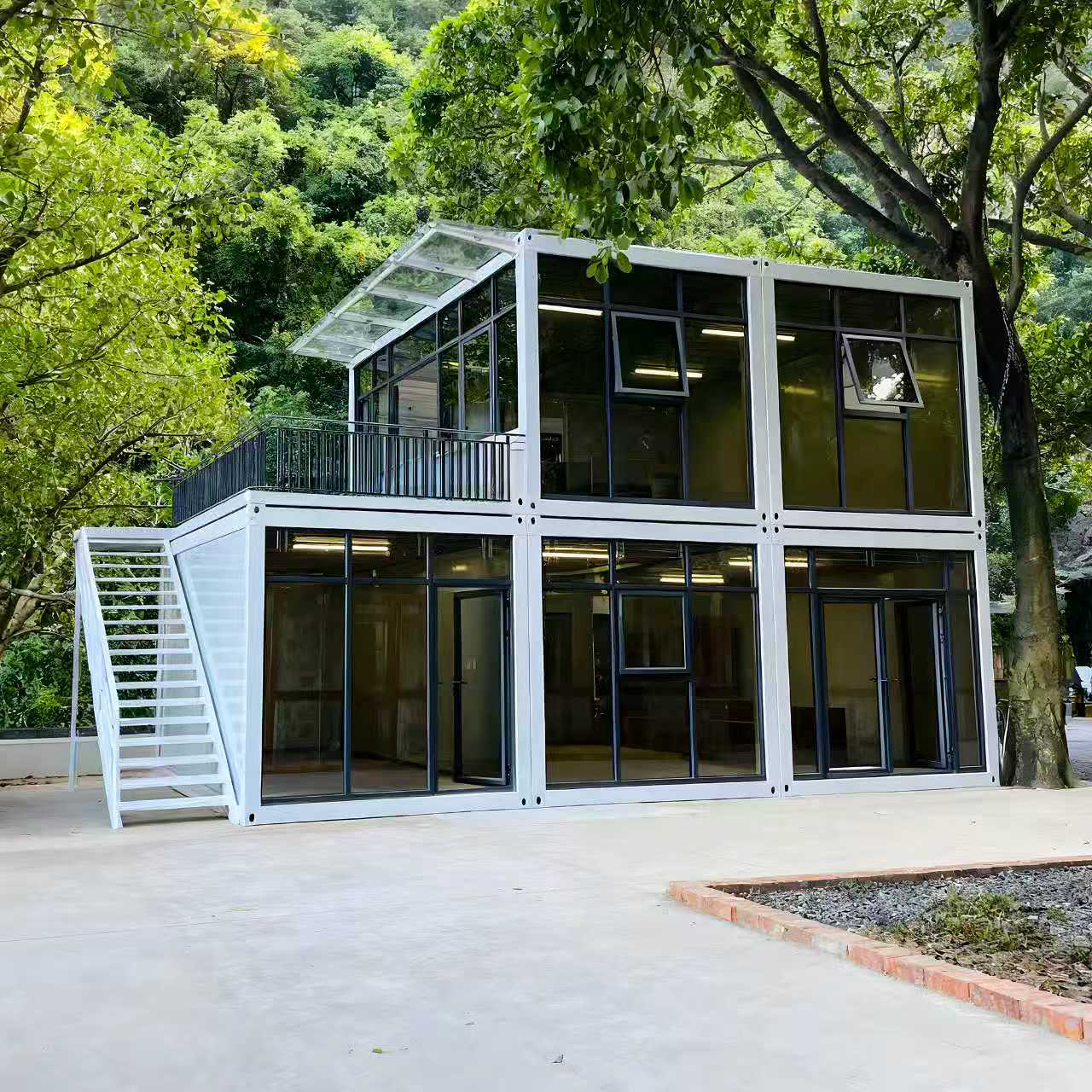
Utilitarian structures must adapt to varying climates, topography, and socioeconomic conditions. Standardized layouts rarely suffice; instead, customization tailored to regional requirements is key to our international deployment strategy:
In resource extraction hubs like Western Australia or the Canadian oil sands, container cabins serve as multi-room bunkhouses, commercial kitchens, and medical facilities, featuring heavy-duty HVAC systems to handle extreme external temperatures.
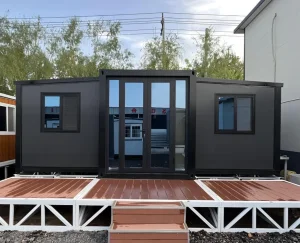
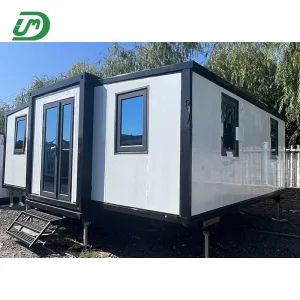
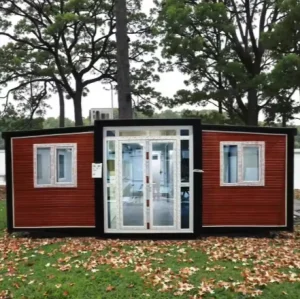
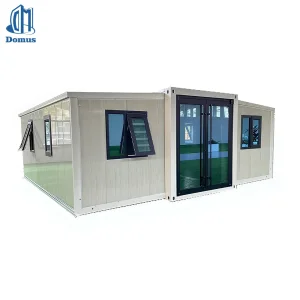
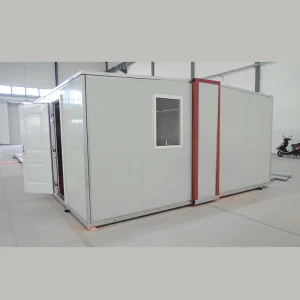
For seismic zones in the Pacific Ring of Fire, quick-deployment foldable or expandable houses function as emergency clinics and shelters, allowing rapid set up on-site within hours of arrival.
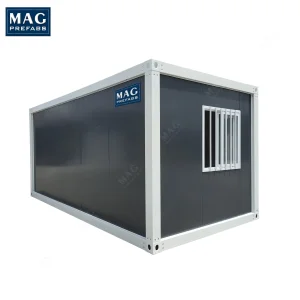
In European metropolitan centers addressing housing shortages, our multi-story flat pack structures function as student housing, co-living micro-apartments, and temporary offices, fitting seamlessly into urban master plans.
Foshan is a globally recognized hub for advanced metallurgy, machinery manufacturing, and building materials. Operating from this ecosystem allows JNM HomeTech to secure high-grade raw components, from structural steel framing to durable insulation, at competitive rates.
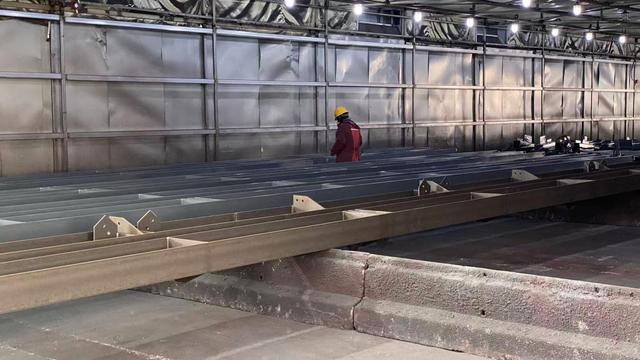
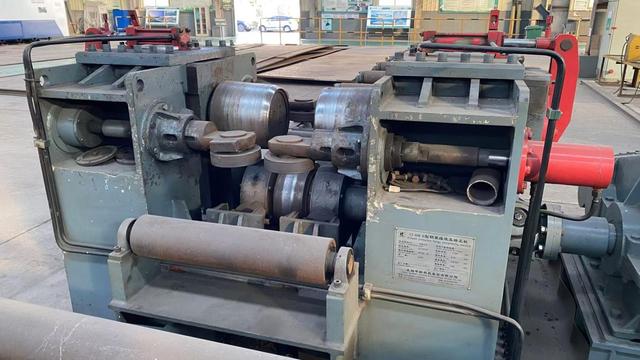
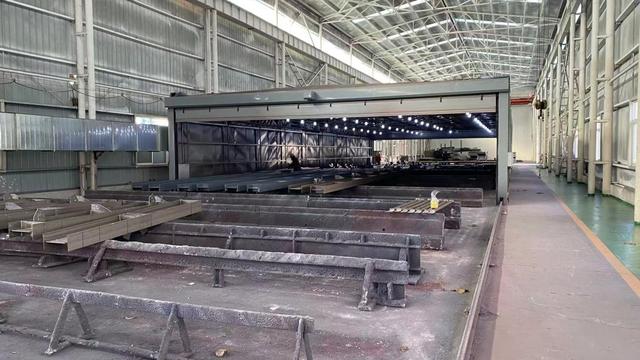
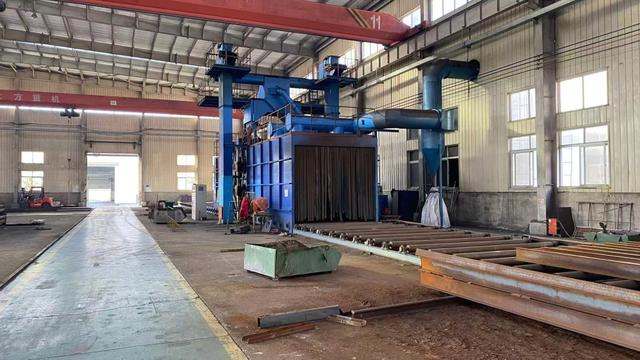
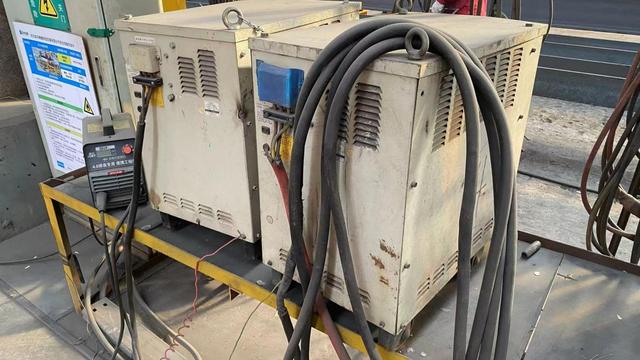
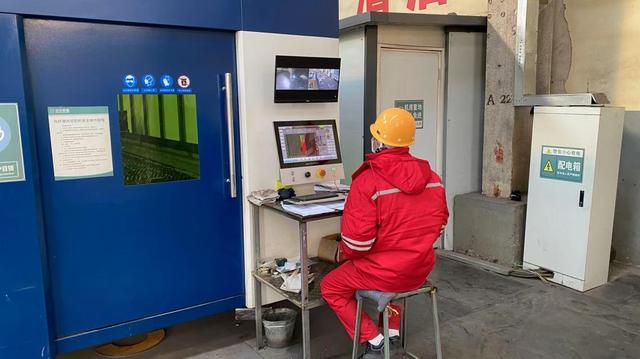
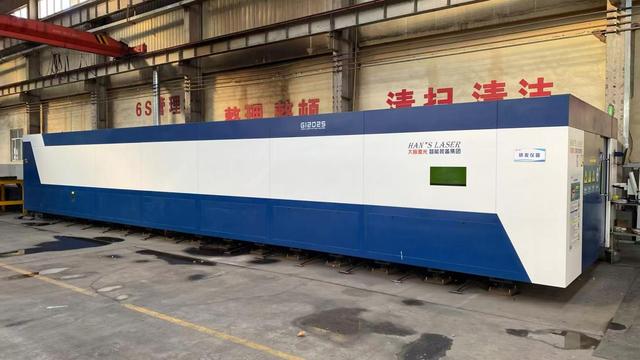
Our supply chain utilizes automated welding lines, CNC plasma cutters, and automated electrostatic powder coating systems. This vertical integration keeps fabrication tolerances within millimeters, reduces material waste, and helps maintain production schedules even during global trade shifts.
Additionally, our proximity to the major shipping ports of Guangzhou and Shenzhen enables efficient global logistics. Flat pack designs are configured to ship within standard high-cube ocean containers, lowering freight costs and simplifying transport to final destinations worldwide.
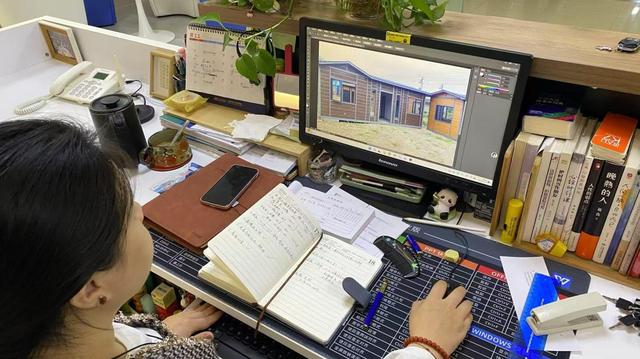
The company is committed to meeting diverse customer needs through flexible customization, covering layout design, insulation solutions, and integrated utility systems. With strict quality control processes and compliance with international standards, JNM HomeTech delivers reliable prefab buildings to clients across Europe, Southeast Asia, the Middle East, and beyond.
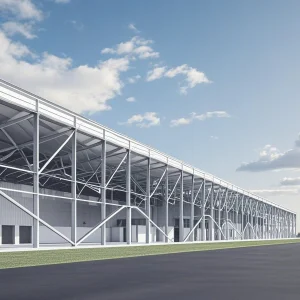
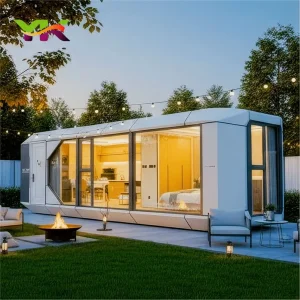
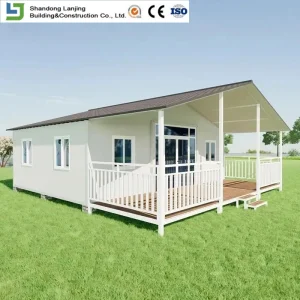
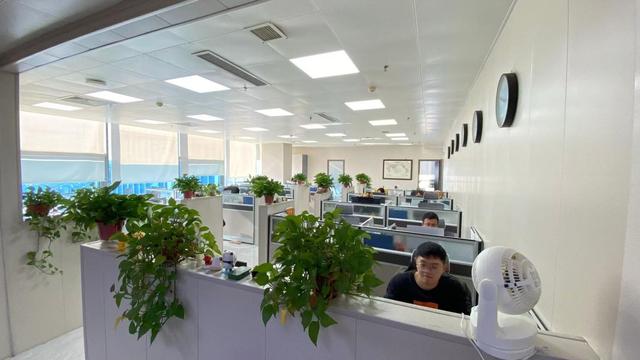
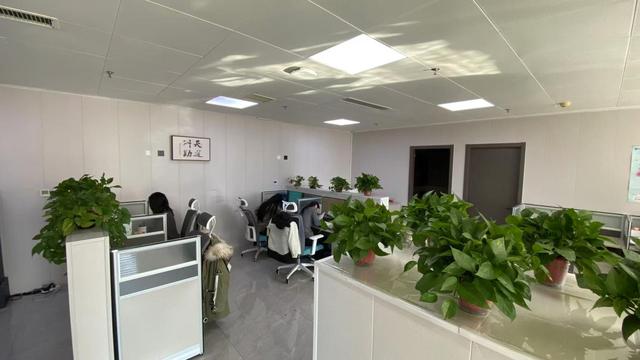
Real projects and material samples demonstrating our design capability, structural framing, and custom options:
Driven by innovation and sustainability, Foshan JNM HomeTech continues to develop eco-friendly and energy-efficient housing solutions, helping customers build smarter, faster, and more adaptable spaces worldwide.
Our engineering team is focused on integrating renewable systems directly into our structural frames. This includes designing roof truss structures to support high-efficiency monocrystalline solar arrays and specifying hybrid off-grid inverter systems with integrated lithium energy storage.
We are also researching bio-based insulation and recyclable structural composites to lower the embodied carbon of our buildings. This ensures our global clients can meet strict ESG (Environmental, Social, and Governance) targets without compromising structural strength or durability.
Find detailed information on specifications, customization, and logistics for our container structures:
 JNM HomeTech