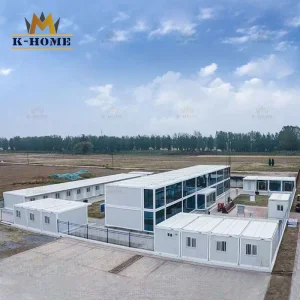
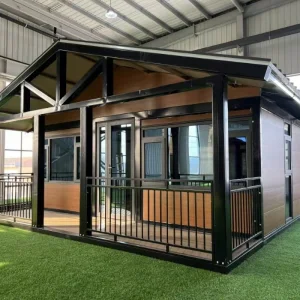
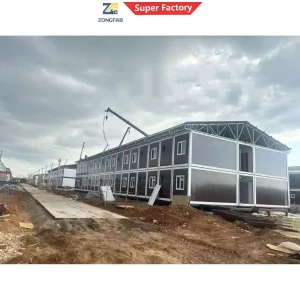
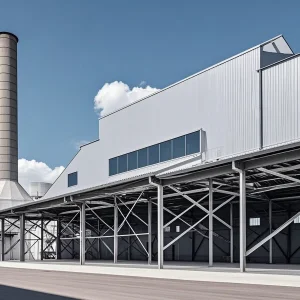
The global construction landscape is undergoing a paradigm shift. As traditional building costs skyrocket and environmental regulations tighten, insulated container homes have emerged as the premier solution for rapid, sustainable, and high-quality infrastructure. In 2024, the "Top 10 Insulated Container Homes Exporters" are no longer just suppliers; they are technology integrators providing comprehensive habitat solutions.
Modern insulated containers utilize advanced sandwich panel technology, incorporating materials like PIR (Polyisocyanurate), Rockwool, and EPS (Expanded Polystyrene) to achieve R-values that rival traditional brick-and-mortar structures. This thermal efficiency is critical for projects ranging from Arctic exploration camps to tropical luxury resorts, ensuring energy consumption is minimized while occupant comfort is maximized.
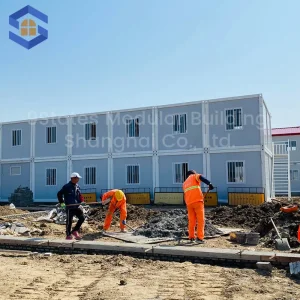
90% of construction is completed in a controlled factory environment, reducing site waste by 60% and shortening delivery timelines by half.
Advanced insulation layers provide superior U-values, maintaining internal temperatures with minimal HVAC intervention across extreme climates.
Standardized ISO dimensions allow for seamless transport via sea, rail, and road, reaching remote locations with ease.
Foshan JNM HomeTech Co., Ltd. stands at the forefront of the modular industry. As a professional modular container house manufacturer based in Foshan, China, the company specializes in the design, production, and global supply of innovative prefabricated building solutions. With a focus on E-E-A-T (Experience, Expertise, Authoritativeness, and Trustworthiness), JNM HomeTech has redefined the expectations for "Made in China" modular products.
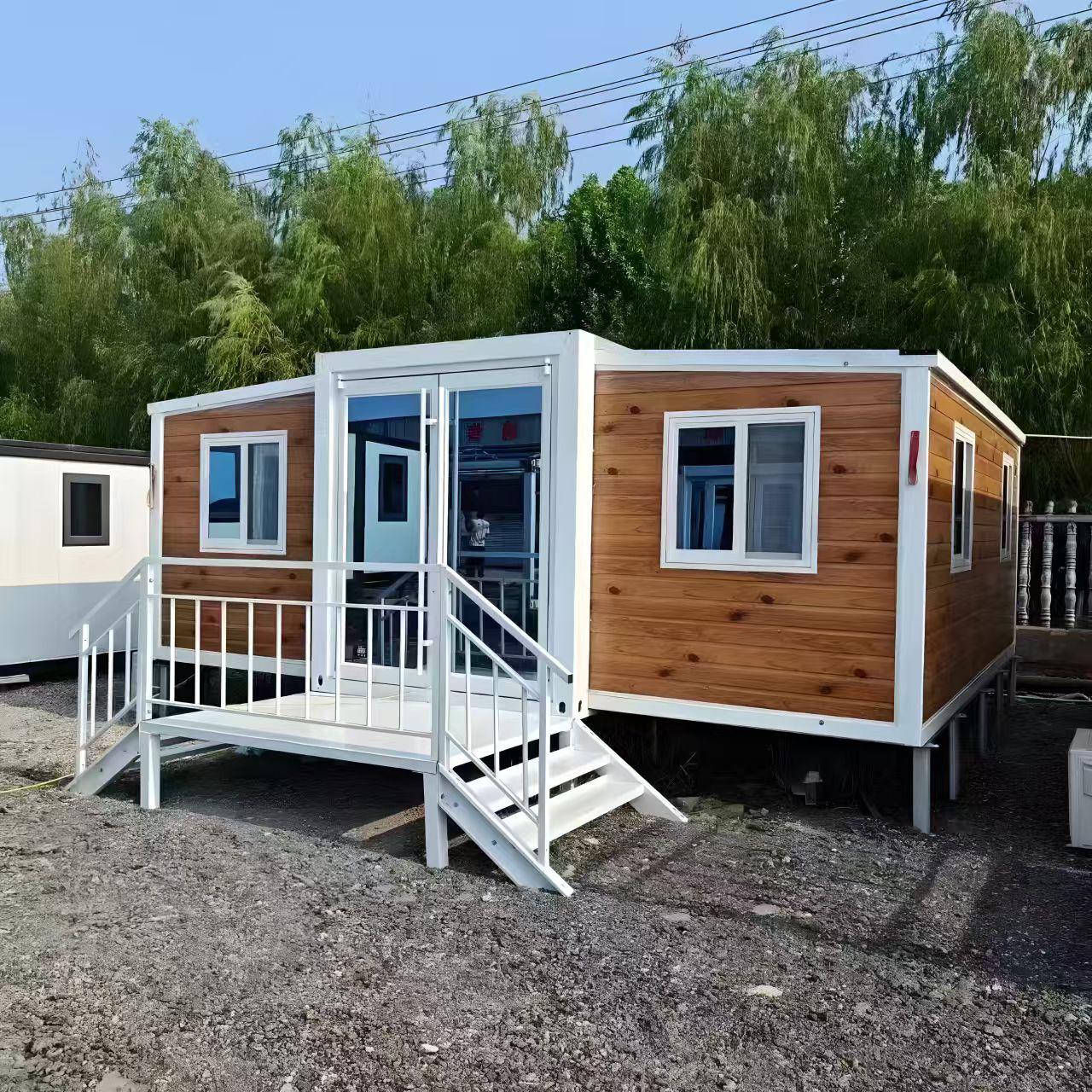
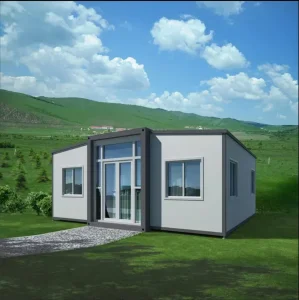
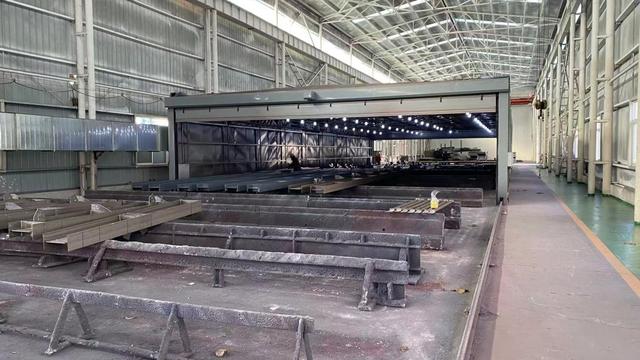
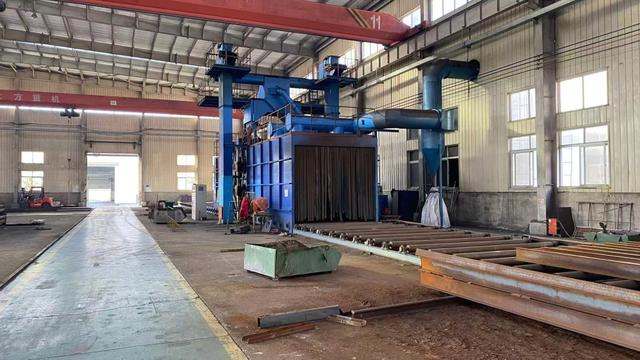
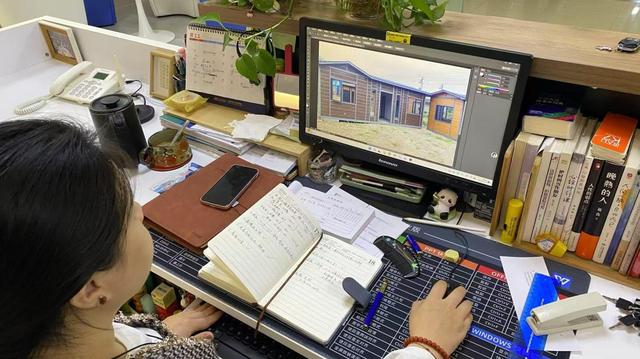
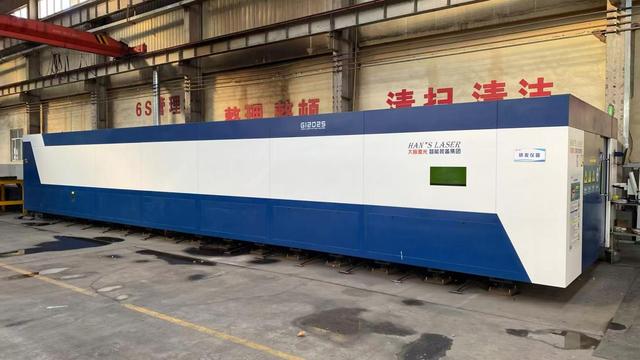
Backed by advanced manufacturing facilities and an experienced engineering team, JNM HomeTech integrates smart structural design with high-quality materials to ensure fast installation, cost-effective transportation, and long service life. Its modular housing systems are widely used for residential living, construction site accommodation, emergency housing, mobile offices, and commercial spaces. The company delivers reliable prefab buildings to clients across Europe, Southeast Asia, the Middle East, and beyond, strictly complying with international building codes.
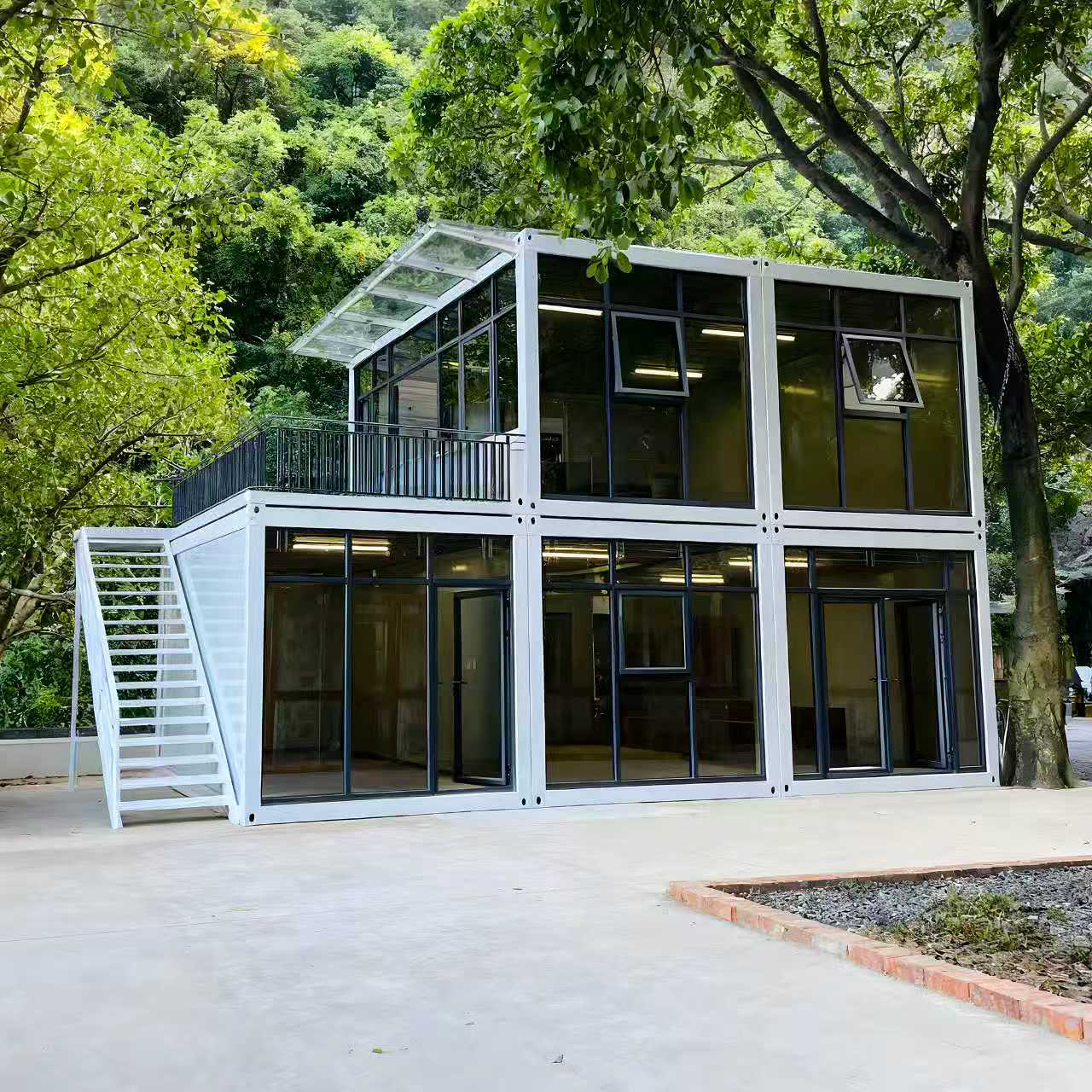
To provide "Information Gain" for procurement specialists, we must look at the technical trajectory of the industry. The next generation of insulated container homes focuses on three core pillars:
Global procurement trends indicate a shift from "lowest price" to "lowest total cost of ownership (TCO)." High-performance insulation reduces operational energy costs by up to 40% over the building's lifecycle, making the initial investment in quality exporters like JNM HomeTech a strategic financial decision.
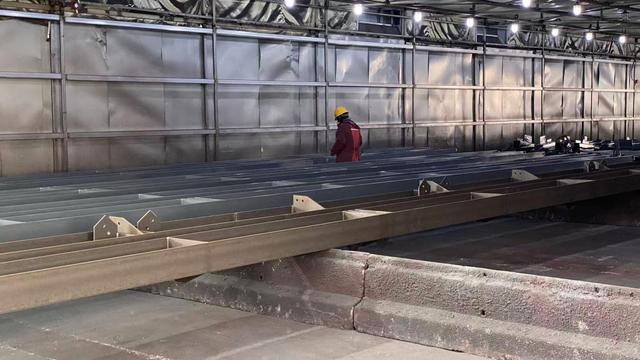
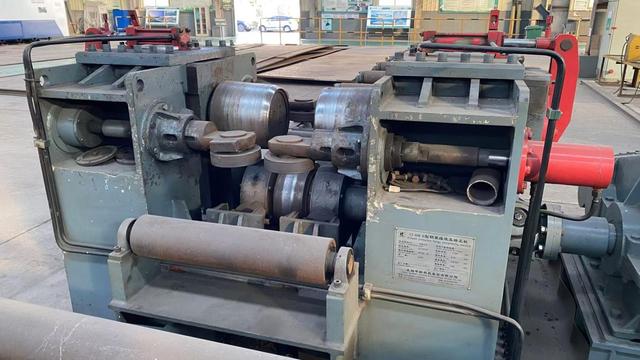
From mining labor camps in the Australian Outback to emergency disaster relief in seismic zones, insulated container homes provide a versatile platform. Exporters now offer localized support and compliance guarantees, ensuring that every unit meets the specific fire safety, structural load, and seismic requirements of the destination country (e.g., CE for Europe, AS/NZS for Oceania).
Handling international building codes, electrical certifications, and plumbing standards to ensure turnkey readiness.
Providing detailed 3D installation guides and on-site engineering supervision for large-scale modular projects.
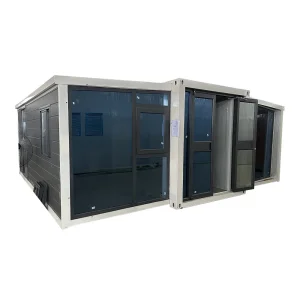
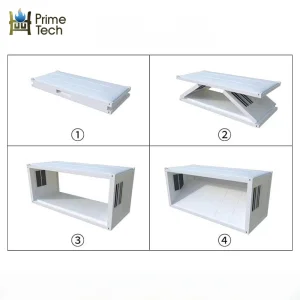
Flat-pack and folding designs reduce shipping volume by up to 75%, significantly lowering the carbon footprint of transport.
With proper maintenance and high-quality anti-corrosion treatments (galvanized steel), these structures have a service life of 20 to 30 years.
By utilizing sandwich panels (PU/Rockwool) with thermal break technology, the conductive heat transfer is minimized, keeping the interior stable even in ±40°C environments.
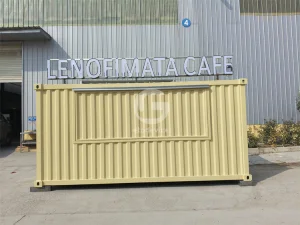
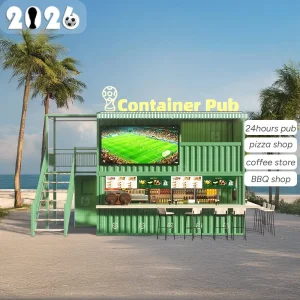
Absolutely. Modern exporters provide CAD/BIM design services to adapt containers into pop-up cafes, retail shops, mobile clinics, and multi-story office complexes.
A standard foldable or flat-pack unit can often be erected in under 15 minutes by a team of three, making them ideal for rapid deployment scenarios.

 JNM HomeTech