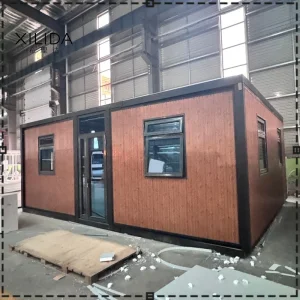
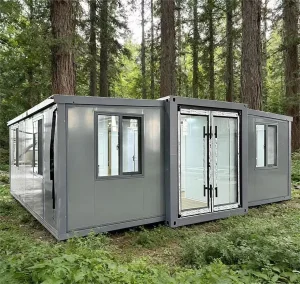
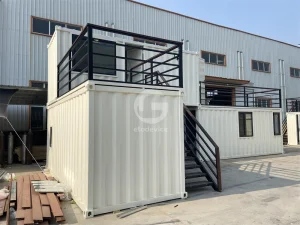
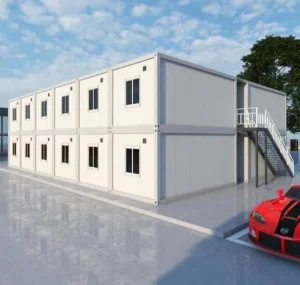
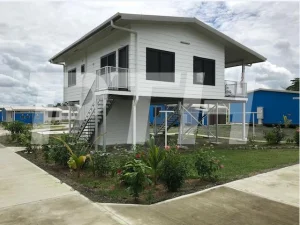
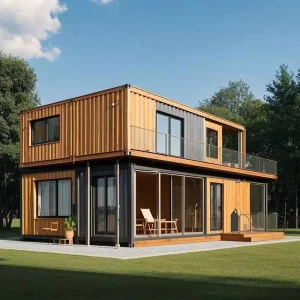
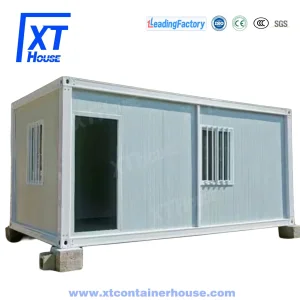
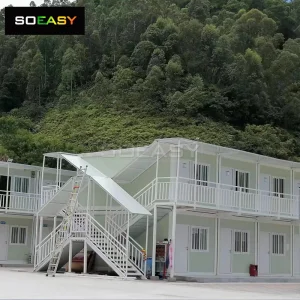
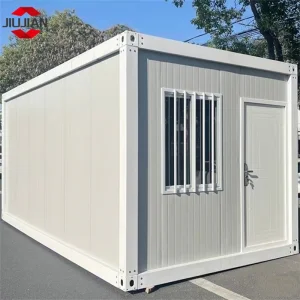
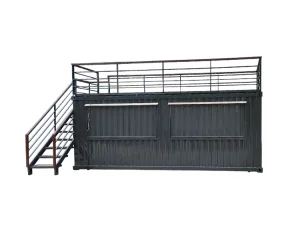
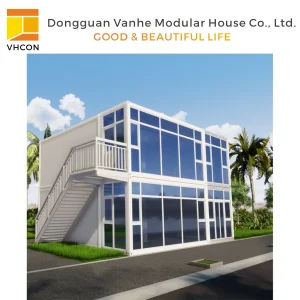
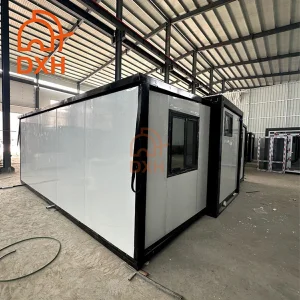
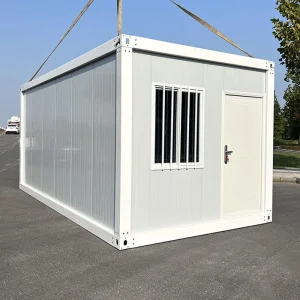
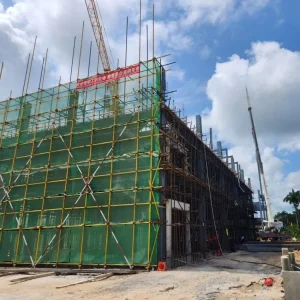
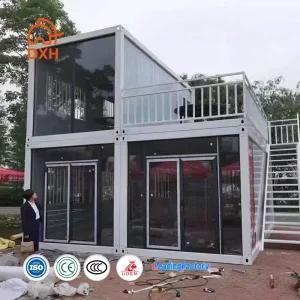
In the contemporary urban landscape, the "Container Dining Establishment" has transitioned from a niche architectural experiment to a global industrial standard. This shift is driven by the convergence of modular construction technology and the increasing demand for "agile commerce." In China, factories have pioneered this transformation by integrating Factory 4.0 automation with high-performance materials.
Modular dining units utilize upcycled or recyclable steel structures, significantly reducing the carbon footprint compared to traditional reinforced concrete buildings. The zero-waste installation process is a primary driver for ESG-conscious global enterprises.
With pre-integrated utility systems (HVAC, plumbing, electrical), a container restaurant can be operational within days. This "Just-in-Time" physical retail model allows brands to capture seasonal market demand without long-term land commitment.
Unlike fixed structures, container establishments are liquid assets. They can be relocated to high-traffic zones or sold in the secondary market, providing a safety net for commercial investments in volatile economies.
Foshan, China, stands as the epicentre of this manufacturing revolution. Companies like Foshan JNM HomeTech Co., Ltd. leverage a sophisticated supply chain ecosystem that ensures precision engineering and structural integrity. Through Information Gain analysis, we identify that the competitive advantage of Chinese suppliers lies not just in cost, but in the redundancy and resilience of their logistics networks.
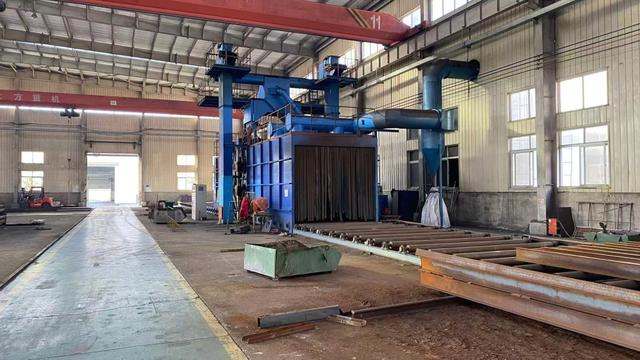
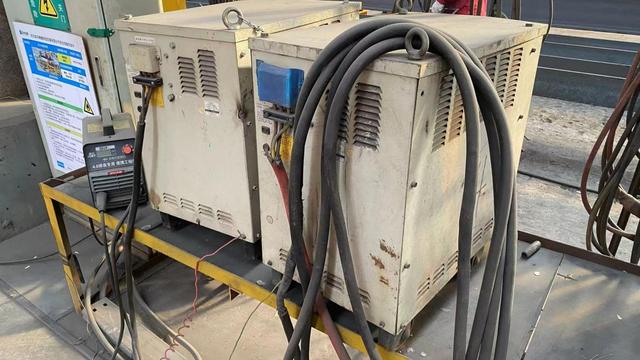
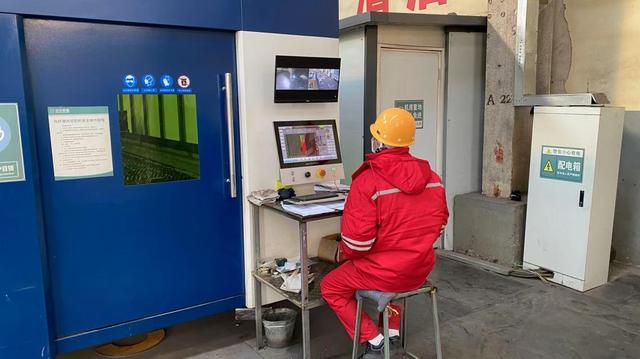
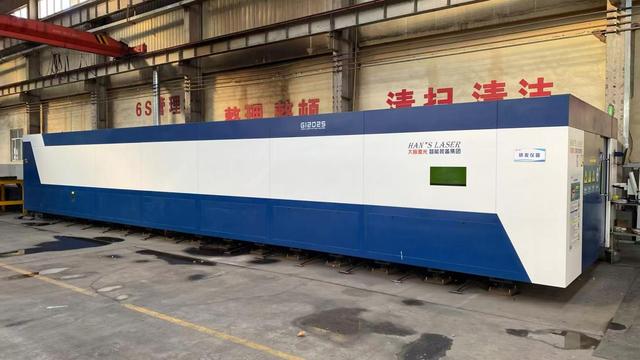
Utilizing CNC laser cutting and robotic welding, factories achieve tolerances within ±1mm. This ensures that multi-story container dining complexes fit perfectly during on-site assembly.
Modern units employ Graphene-enhanced anti-corrosion coatings and vacuum insulation panels (VIPs), extending the lifespan of coastal dining units to over 30 years despite saline air exposure.
Foshan JNM HomeTech Co., Ltd. is a professional modular container house manufacturer based in Foshan, China, specializing in the design, production, and global supply of innovative prefabricated building solutions. With a strong focus on efficiency, durability, and modern living standards, the company offers a comprehensive range of products including expandable container houses, foldable container homes, and flat pack modular buildings.
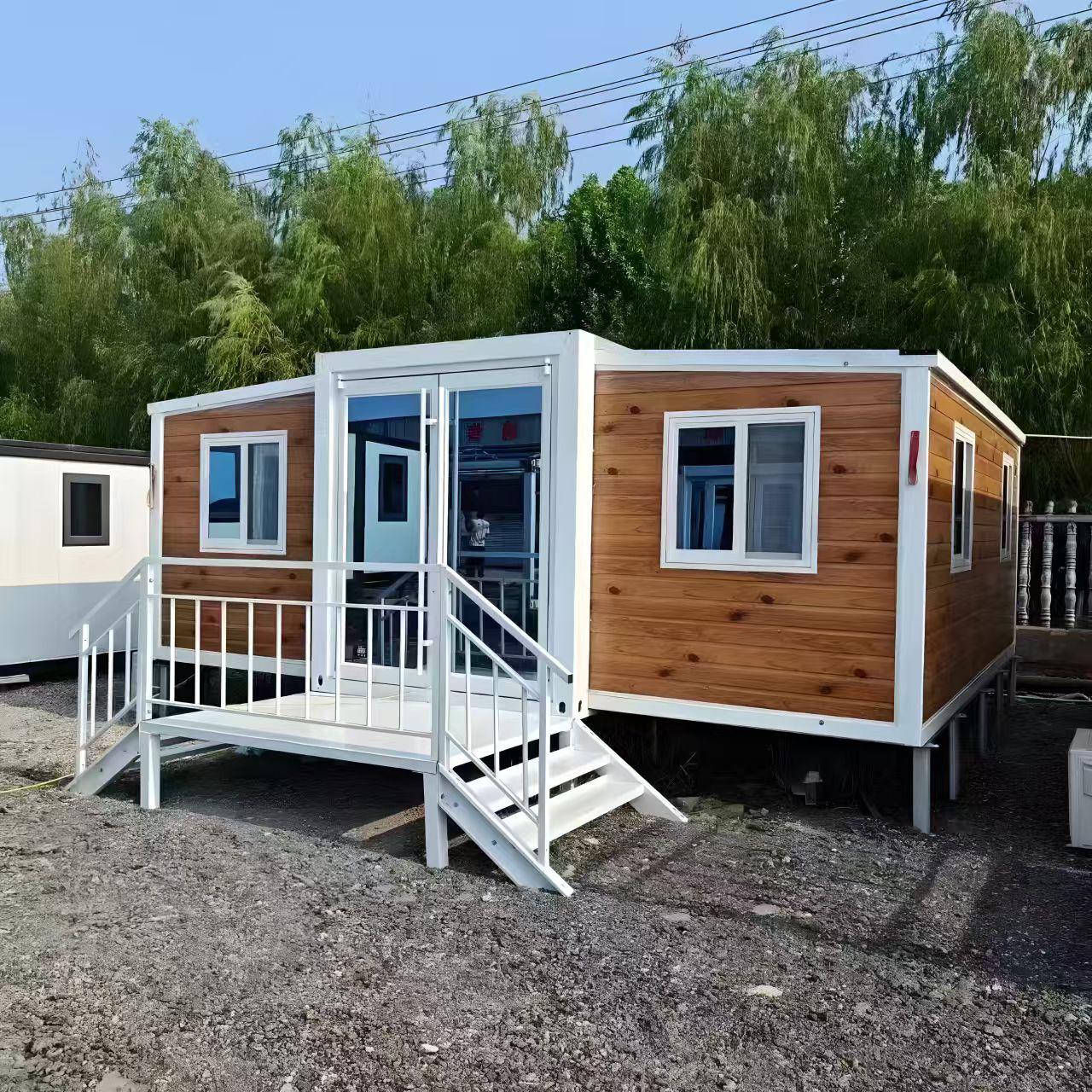
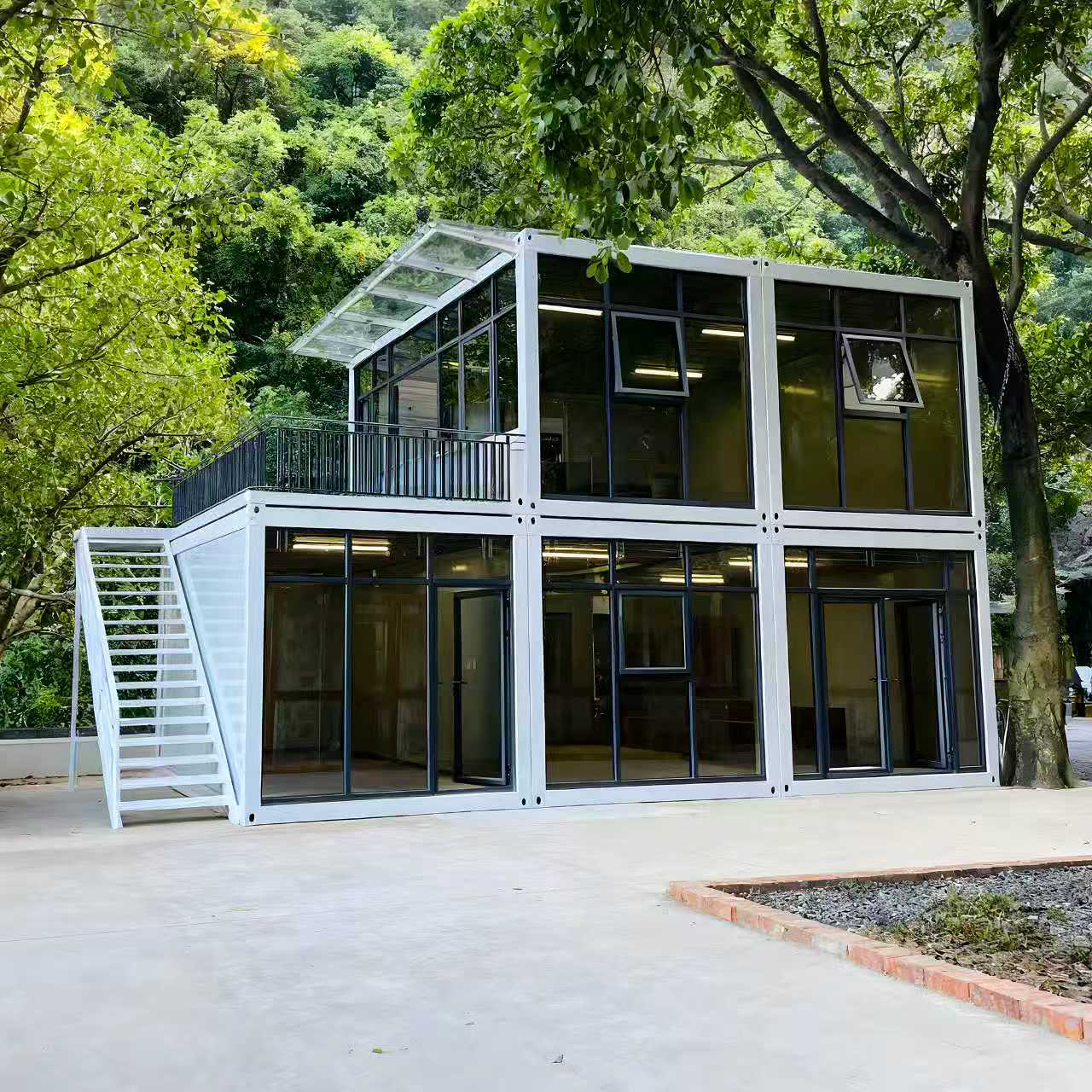
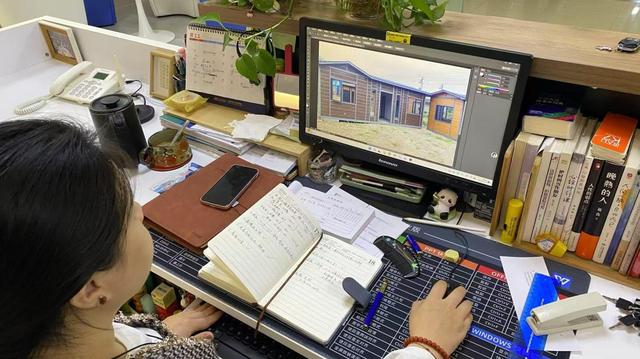
Backed by advanced manufacturing facilities and an experienced engineering team, JNM HomeTech integrates smart structural design with high-quality materials to ensure fast installation, cost-effective transportation, and long service life. Its modular housing systems are widely used for residential living, construction site accommodation, emergency housing, mobile offices, and commercial spaces.
Exporting Countries
Fastest Setup Time
Structural Lifespan
Certified Quality
The "User Intent" for B2B buyers in the container industry has shifted from "cheap housing" to "complex commercial ecosystems." Modern procurement officers prioritize compliance with local building codes (such as AS/NZS in Australia or IBC in the USA) and integrated smart technologies.
Brands like Starbucks and Nike utilize modular container establishments for high-impact brand activations. These units require premium aesthetic finishes and modular deck integrations.
Mining and oil extraction sites in the Middle East and Africa require heavy-duty thermal insulation and sand-filtration HVAC systems to provide comfortable dining for thousands of workers.
Post-disaster scenarios demand rapid-deploy dining and kitchen units. Our foldable 10-minute installation units are designed specifically for these high-pressure logistics scenarios.
The company is committed to meeting diverse customer needs through flexible customization, covering layout design, insulation solutions, and integrated utility systems. With strict quality control processes and compliance with international standards, JNM HomeTech delivers reliable prefab buildings to clients across Europe, Southeast Asia, the Middle East, and beyond.
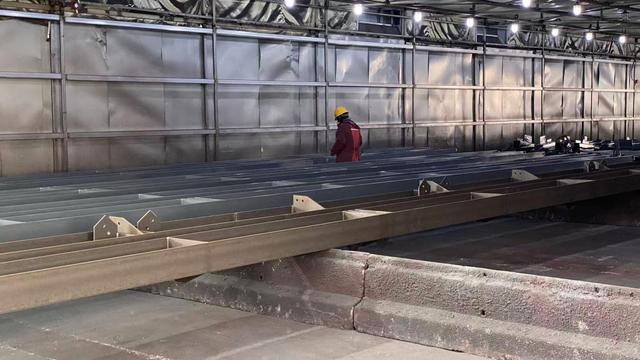
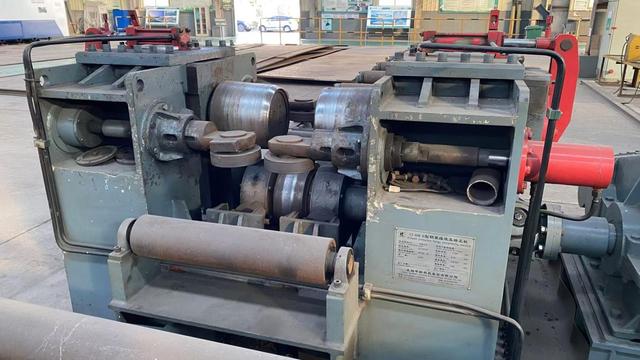
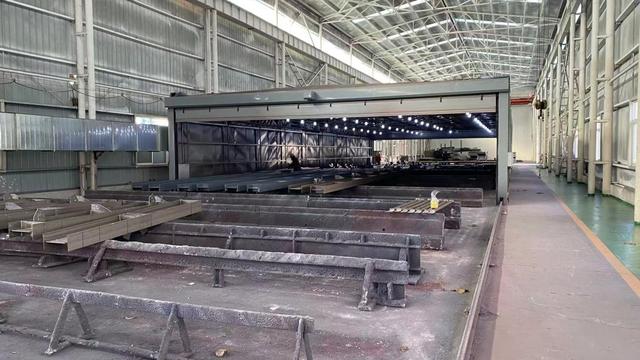
Driven by innovation and sustainability, Foshan JNM HomeTech continues to develop eco-friendly and energy-efficient housing solutions, helping customers build smarter, faster, and more adaptable spaces worldwide.
 JNM HomeTech