Choosing the right modular house supplier can shape your home’s cost, safety, comfort, and long-term value. A supplier is not merely a factory with attractive brochures. It becomes a practical partner throughout design, production, transport, installation, and after-sales support. The best companies explain technical choices clearly, including insulation ratings, structural materials, ventilation systems, and expected maintenance. They also provide realistic schedules instead of promising an effortless build in a few weeks.
Many buyers ask how to choose the right modular house supplier when every website displays beautiful kitchens and polished renderings. Start by examining completed projects, factory quality controls, customer references, and third-party certifications. Request a detailed quotation that separates the home package from foundations, utility connections, delivery, cranes, permits, and site preparation. A reliable supplier will discuss these details openly. Visit a factory if possible. Seeing labeled materials, protected components, and organized assembly areas can reveal more than advertising.
Experience matters, but it is not the only measure. A company may have operated for years and still communicate poorly. Ask who checks the modules before shipment and how defects are resolved after installation. Speak with previous clients about actual weather performance, delivery accuracy, and warranty response times. No supplier is perfect. Even a well-managed project may face transport delays or unexpected ground conditions. The important question is whether the supplier identifies risks early and responds with documented solutions. Careful comparison takes time, yet it can prevent expensive changes after the first module arrives.
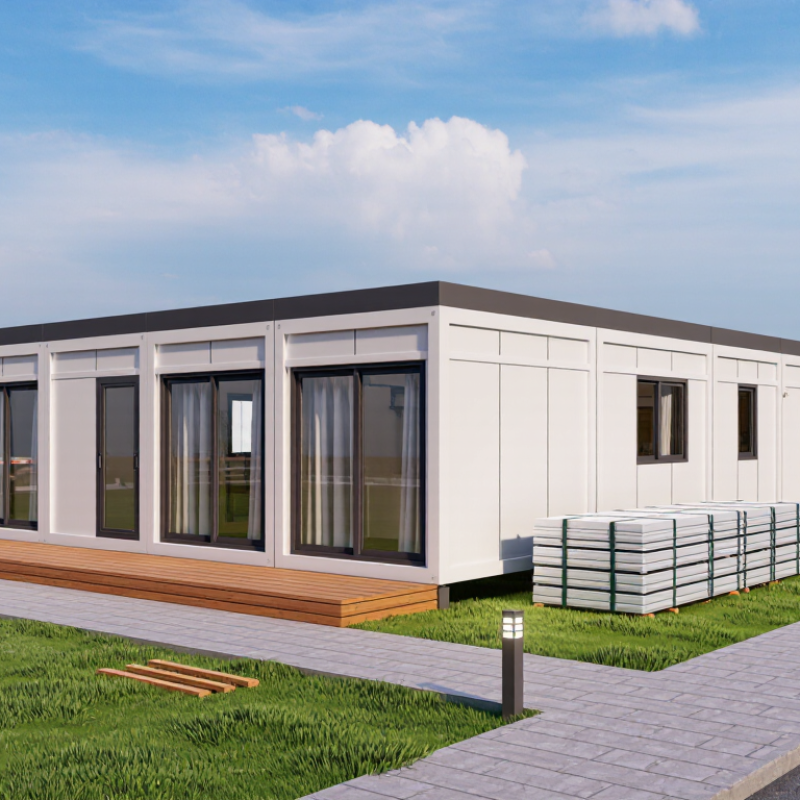
A modular house supplier provides far more than factory-built wall panels. The right supplier coordinates design, structural engineering, production, delivery, and installation. It should also explain site preparation, utility connections, permits, and maintenance requirements. This matters because modular construction transfers many site decisions into a controlled factory environment. McKinsey reported that industrialized construction could reduce project costs by up to 20 percent and shorten schedules significantly. Those benefits depend on disciplined coordination, not factory speed alone.
A reliable supplier provides documented quality checks at every stage. Ask for material specifications, inspection records, transport plans, and installation procedures. Look closely at moisture protection around windows, roof joints, and floor connections. These small details often determine long-term performance. The supplier should also provide energy calculations and clear warranty terms. The 2023 Global Status Report for Buildings and Construction found that buildings produced about 37 percent of global energy-related emissions. Therefore, insulation, airtightness, ventilation, and efficient equipment deserve practical evidence, not attractive promises.
A useful supplier also supports the project after delivery. That support may include replacement parts, repair guidance, commissioning, and digital building records. Request references for similar climates and building sizes. Speak with previous clients, if possible. No supplier gets every forecast right. Cost estimates can change when transport routes, ground conditions, or local labor differ. I would question any proposal that hides these uncertainties. A transparent supplier identifies risks early and explains who manages each one. That honesty is part of the product.
A qualified modular house supplier can coordinate the major stages of delivery, from design and factory production to transportation and on-site installation. The chart shows a typical planning timeline for a full-service modular housing project.
Typical planning estimates are shown in weeks and can vary according to project size, local permits, site conditions, customization, and supplier capacity.
Choosing a modular house supplier requires more than comparing floor plans or factory photographs. Quality appears in details: sealed wall joints, protected wiring, dry timber, and clear inspection records. Visit the production line if possible. Watch how workers label modules, store materials, and correct defects. A polished showroom can still hide weak site controls.
Experience should be measured through evidence, not confident promises. Ask for completed projects, delivery records, factory quality procedures, and references from similar climates. The McKinsey report “Modular construction: From projects to products” found that modular methods can reduce schedules by 20 to 50 percent and lower costs by up to 20 percent. These benefits depend heavily on coordination, design accuracy, and reliable installation. Poor planning can erase them quickly.
Building standards deserve equal attention. Confirm compliance with local structural, fire, thermal, electrical, and accessibility requirements. Review testing documents, inspection responsibilities, and warranty limits before signing. The Modular Building Institute’s 2024 Permanent Modular Construction Annual Report valued the U.S. market at approximately 20.3 billion dollars in 2023. That growth signals stronger demand, but it does not guarantee equal supplier performance. I would not treat every certificate as proof of practical quality. Moisture damage, transport movement, or rushed connections may still appear later. Ask difficult questions. Then verify the answers.
Why Choose the Right Modular House Supplier?
Choosing a modular house supplier means comparing more than attractive floor plans. Design options should match your land, climate, family routines, and local building requirements. Ask whether the supplier offers flexible room layouts, window positions, insulation levels, and accessible features. A polished showroom can hide limited customization. I once reviewed a plan that looked efficient, but its kitchen placement created poor afternoon ventilation.
Pricing needs careful examination. Request an itemized quotation covering the house, transport, foundations, utility connections, permits, and site preparation. Some suppliers advertise a low base price, while essential fixtures appear later as upgrades. Compare the same specifications across several proposals. Check payment stages, warranty terms, and the process for handling defective materials. A cheap quote is not always economical.
Construction timelines also require practical questions. Ask when design approval, factory production, delivery, and installation will occur. Weather, inspections, road access, and foundation delays can change the schedule. Experienced suppliers should provide realistic milestones rather than confident promises. In one project, a delivery date shifted because the access road could not support heavy transport. That delay was avoidable with an early site survey. Even reliable planning has uncertainty. Leave a reasonable buffer, record every change in writing, and confirm who coordinates contractors. Mistakes happen. Clear responsibility makes them easier to correct.
| Comparison Factor | Essential Package | Flexible Family Package | Premium Sustainable Package | What to Check with the Supplier |
|---|---|---|---|---|
| Typical floor area | 600–1,000 sq. ft. (56–93 m²) | 1,000–1,800 sq. ft. (93–167 m²) | 1,500–2,500 sq. ft. (139–232 m²) | Confirm whether quoted area includes porches, garages, utility rooms, or optional extensions. |
| Design approach | Pre-designed single-story layouts with limited changes | Choice of layouts, finishes, room configurations, and exterior materials | Architect-led customization, high-performance envelope, and integrated technology | Ask for the number of revisions included and the fee for structural changes. |
| Indicative factory-built price | Approximately $120–$180 per sq. ft. | Approximately $150–$230 per sq. ft. | Approximately $200–$320+ per sq. ft. | Verify whether the price covers modules only or also includes interior completion and delivery. |
| Estimated total project cost | Approximately $180–$280 per sq. ft. | Approximately $220–$350 per sq. ft. | Approximately $300–$500+ per sq. ft. | Request a written breakdown for foundations, transport, site work, utility connections, permits, and taxes. |
| Design and engineering period | 3–6 weeks | 6–12 weeks | 10–20 weeks | Check who prepares site-specific drawings and coordinates structural, energy, and code reviews. |
| Factory production time | 8–12 weeks | 12–20 weeks | 18–28 weeks | Ask how production slots are allocated and what events can cause schedule changes. |
| On-site installation | 1–3 weeks | 2–5 weeks | 4–8 weeks | Confirm crane access, foundation readiness, weather allowances, and final inspection responsibilities. |
| Expected overall timeline | 4–7 months after contract approval | 6–10 months after contract approval | 9–15 months after contract approval | Obtain milestone dates for design approval, permitting, factory completion, delivery, and handover. |
| Energy performance | Standard insulation and conventional heating and cooling | Improved insulation, efficient windows, and optional heat-pump systems | High-performance insulation, airtightness measures, solar-ready design, and advanced ventilation options | Request modeled energy results, equipment specifications, and the applicable local energy-code standard. |
| Warranty and after-sales service | Basic structural and workmanship coverage | Extended coverage for structure, systems, and finishes may be available | Detailed systems documentation, commissioning, and longer service support may be included | Review exclusions, claim procedures, response times, and coverage for appliances and site-installed work. |
| Best suited for | Budget-conscious projects with straightforward site conditions | Families seeking a balance between customization, cost, and speed | Owners prioritizing long-term efficiency, comfort, and design flexibility | Select a supplier with proven experience in the required building type and local jurisdiction. |
Note: These are indicative North American market ranges in U.S. dollars for comparison purposes. Actual costs and timelines vary by location, site conditions, labor rates, building codes, transport distance, finishes, permitting, and utility requirements. Land acquisition and financing costs are excluded unless stated otherwise.
Choosing the right modular house supplier begins with documents, not attractive renderings. A detailed contract should define materials, floor plans, measurements, payment stages, and completion dates. It should also explain who handles permits, inspections, utility connections, and site preparation. Vague wording creates expensive surprises later.
Read the warranty carefully. It should separate structural coverage from protection for windows, plumbing, electrical systems, and finishes. Check the warranty period, exclusions, claim process, and response time. Ask whether labor and replacement transport are included. Keep every promise in writing. Verbal reassurance is easy to forget.
Delivery needs practical planning. Confirm transport routes, crane access, weather delays, storage rules, and responsibility for damaged modules. Ask for a written delivery schedule with realistic buffer time. Installation support matters just as much. A reliable supplier should provide qualified supervisors, clear assembly instructions, and answers during site work. Some suppliers stop responding after delivery. That is a warning sign.
Visit a completed project if possible. Look closely at joints, seals, flooring, and service connections. Ask the owner about delays and after-sales support. I would also compare the contract with the sales proposal line by line. Small differences can matter. My only caution is simple: even a strong supplier cannot fix poor ground preparation. Independent technical advice may feel unnecessary, but skipping it can become the costliest decision.
A modular home supplier should be judged by long-term value, not only its quoted price. McKinsey Global Institute’s 2019 report found that modular construction can reduce project timelines by 20–50%. However, those gains depend on factory quality, accurate drawings, and dependable logistics.
Ask to inspect a finished unit, wall joints, insulation layers, and moisture protection. Small defects often become expensive after installation.
Reliable service also means clear responsibility after delivery. Request written standards for inspections, transport damage, replacement parts, and response times. The 2024 UNEP Global Status Report states that buildings and construction produced 37% of global energy and process-related emissions in 2022.
A capable supplier should therefore provide credible data on material waste, insulation performance, and energy use. Do not accept vague claims. Ask for test records and project references.
No supplier is flawless. A missed delivery slot or unclear warranty can still reveal weak planning.
Tips: Compare at least three suppliers using the same specification. Check factory capacity before signing. Confirm who manages permits, foundations, lifting, and utility connections. Speak with recent clients, not only selected case studies. Review payment stages carefully. It may feel slower, but written details protect long-term value. I would also keep a contingency budget, because site conditions rarely match drawings perfectly.
Compare design flexibility, total pricing, construction timelines, factory quality, warranties, and post-delivery service. A pretty floor plan proves little.
Ask about room layouts, window positions, insulation levels, and accessible features. Check whether the kitchen receives useful afternoon ventilation.
A base price may exclude transport, foundations, permits, utility connections, site preparation, or essential fixtures. Request an itemized quotation.
Give each supplier identical specifications. Compare payment stages, included materials, delivery costs, warranty terms, and replacement procedures.
Request dates for design approval, factory production, delivery, installation, inspections, and utility connections. Leave extra time for delays.
Weather, inspections, foundation problems, and narrow access roads can interrupt delivery. Heavy transport needs suitable road support.
Inspect a completed unit, wall joints, insulation layers, moisture protection, and visible finishing details. Small defects can become costly later.
Clarify who manages permits, foundations, lifting, transport, inspections, and utility connections. Written responsibility reduces confusion when mistakes occur.
Speak with recent clients, review project references, and check factory capacity. Ask for test records on insulation, energy use, and material waste.
Yes. Site conditions rarely match drawings perfectly. A reserve can cover minor changes, although the exact amount needs careful review.
Choosing the right modular house supplier is an important decision that can affect your home’s quality, cost, and long-term value. A reliable supplier should provide clear information about its construction process, materials, customization options, building standards, and project responsibilities. When considering how to choose the right modular house supplier, evaluate the company’s experience, workmanship, certifications, customer support, and ability to deliver homes that meet local requirements. It is also helpful to compare designs, pricing structures, estimated construction timelines, and the flexibility available for future modifications.
Before signing an agreement, carefully review the contract, payment schedule, warranty coverage, delivery arrangements, and installation support. Make sure the supplier explains how transportation, site preparation, inspections, and unexpected changes will be handled. A trustworthy supplier communicates openly, provides realistic schedules, and stands behind its work after installation. By comparing these factors instead of focusing only on the lowest price, buyers can select a partner that offers dependable service, durable construction, and lasting value throughout the entire modular home ownership experience.

JNM HomeTech