Are container houses environmentally friendly? The answer depends on their complete life cycle, not their industrial appearance. A reused shipping container can prevent a steel box from becoming scrap. However, conversion may require cutting, welding, transport, insulation, windows, plumbing, and new foundations. Each decision changes the environmental balance.
The 2024 Buildings–Global Status Report from UNEP and the Global Alliance for Buildings and Construction states that buildings and construction consumed about 32% of global energy in 2023. The sector also produced approximately 34% of global carbon dioxide emissions. These figures make material reuse important, but they do not automatically make every container home sustainable. A thin steel shell becomes extremely hot under summer sunlight and cold during winter nights. Without effective insulation, ventilation, and shading, household energy use can rise sharply.
Architect Carl Elefante, FAIA, former president of the American Institute of Architects, offered a useful principle: “The greenest building is the one already standing.” His statement supports reuse, yet it does not prove that every container house performs well. The International Energy Agency also emphasizes energy efficiency, airtightness, and low-carbon materials as essential building strategies. A responsible assessment should examine the container’s previous cargo, protective coatings, transport distance, insulation materials, indoor air quality, and expected service life. A small home with recycled steel, low-energy appliances, rainwater control, and regional materials may perform convincingly. Another may simply transfer emissions from construction to heating and cooling. The honest answer is conditional, and that uncertainty deserves attention.
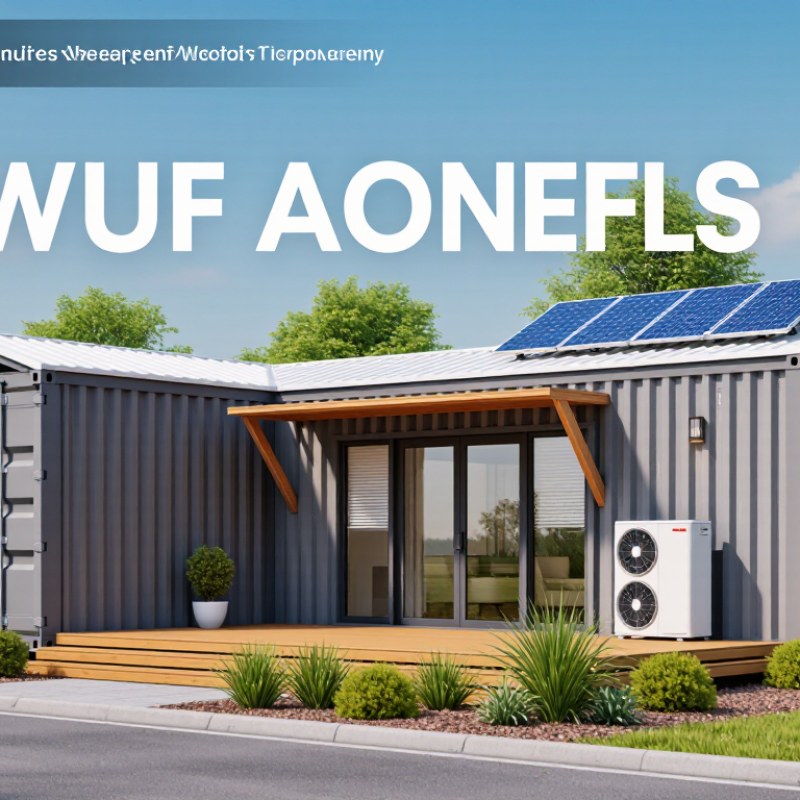
A container house starts with a retired steel shipping container. Its strong frame can become a room, office, studio, or temporary home. Builders cut openings for doors and windows, then reinforce the altered walls. They also add insulation, ventilation, wiring, plumbing, and safe interior finishes. Without these upgrades, the metal shell becomes painfully hot in summer and cold in winter.
Reuse gives the container a second working life. It can reduce demand for new structural materials and limit the steel sent for recycling. Transport may also be simpler because the unit already has a standard shape. On a careful project, workers inspect the container for rust, chemical residues, and structural damage before construction begins. Local building rules still matter. A reused box is not automatically a safe home.
The idea is not perfect. Cutting steel consumes energy, and transporting a container over long distances can weaken its environmental advantage. Some older units may require difficult cleaning or replacement parts. Good design uses shade, natural light, recycled insulation, and efficient heating systems. Rainwater collection may help, but it needs proper filtration and legal approval. In practice, the greenest choice depends on location, materials, and service life. Calling every container house sustainable would be too simple.
Reusing a shipping container preserves most of its existing steel shell and can avoid the energy and emissions associated with producing new crude steel. The chart presents a screening estimate based on common tare masses of 20-foot and 40-foot containers and the global average steel-production intensity of 1.91 tonnes of CO₂ per tonne of crude steel.
Calculation: typical tare mass × 1.91 t CO₂/t crude steel. Actual savings vary because containers contain fittings and flooring, and refurbishment, transport, insulation, cutting, and building operation also create environmental impacts. Sources: ISO 668, Series 1 freight containers—classification, dimensions and ratings; World Steel Association, 2023 sustainability indicators.
Container construction can reduce resource consumption by reusing an existing steel shell. This avoids producing some new structural materials, such as steel plates and framing sections. The World Steel Association reported that about 680 million tonnes of steel were recycled globally in 2022. Reusing a container extends that material’s service life before recycling becomes necessary. It also creates a more predictable construction process. Factory cutting can improve measurement accuracy and reduce offcuts. Fewer wet trades may mean less water use on site.
Construction waste remains a major concern. The United States Environmental Protection Agency estimated that building and demolition activities generated about 600 million tons of waste in 2018. Modular container work can reduce packaging, temporary formwork, and repeated site deliveries. Smaller crews may also disturb less soil around the building. This matters in dense neighborhoods and remote locations.
The claim is not automatic. Insulation, windows, coatings, flooring, and electrical systems still consume resources. Poor insulation can increase heating and cooling demand throughout the building’s life. The United Nations Environment Programme reported that buildings and construction accounted for 37% of global energy-related and process emissions in 2022. A reused steel box is only one part of the assessment. Designers should measure transport distance, material additions, operational energy, and future disassembly. Sometimes, a conventional small building may perform better. That possibility deserves honest attention.
Why Are Container Houses Environmentally Friendly?
Why Do Container Homes Produce Less Construction Waste?
Container homes can produce less construction waste because their main steel frame already exists. Instead of cutting new sections on site, builders adapt a prepared structure. This can reduce offcuts, packaging, and unused framing materials. The U.S. Environmental Protection Agency reported about 600 million tons of construction and demolition debris in 2018. That volume was more than twice the amount of municipal solid waste. Less site waste matters.
Waste savings are not automatic. Cutting openings for windows, doors, and plumbing still creates steel scraps. Insulation, flooring, and interior panels also arrive in packaging. However, factory-based preparation can improve measurements and material control. The UK Waste and Resources Action Programme reported that suitable off-site construction methods may reduce waste by up to 90 percent. This figure is a benchmark, not a guarantee for every container project. Reused containers also require inspections for corrosion, previous cargo residues, and structural damage. Sometimes, replacing damaged sections creates more waste than expected.
Tips: Choose a container with verified structural records. Plan openings before cutting begins. Separate steel, timber, and packaging for recycling. Ask contractors to record material quantities and disposal routes. A small waste audit can reveal where the real savings occur.
Container houses can improve energy efficiency, but steel alone does not create a green home. The International Energy Agency reported that buildings used about 30% of global final energy in 2022. They also produced roughly 26% of energy-related emissions. Better-performing housing matters.
The steel shell conducts heat quickly. Continuous insulation should cover the exterior, while thermal breaks reduce heat transfer through framing. Careful air sealing is equally important. The U.S. Department of Energy notes that air leakage can represent 25% to 40% of a typical home’s heating and cooling energy use. Small gaps around doors, windows, and service penetrations can quietly increase bills.
Orientation adds another practical advantage. South-facing glazing can provide winter sunlight in suitable climates, while exterior shading limits summer heat. Low-emissivity windows, LED lighting, efficient heat pumps, and cross-ventilation can further reduce demand. It sounds simple. It is not always simple.
A converted container may still overheat without shading or develop condensation behind poorly installed insulation. Moisture control needs local climate analysis and professional detailing. Retaining an existing steel structure may reduce demand for new materials, but transport, cutting, coatings, and interior finishes still create impacts. Energy modeling before construction can expose these weaknesses, even when the result is less impressive than expected.
Why Are Container Houses Environmentally Friendly?
What Environmental Challenges Should Container Homes Address?
A reused steel container can prevent a large structural shell from becoming scrap. However, “reused” does not automatically mean sustainable. The United Nations Environment Programme reported that buildings and construction consumed 32% of global energy in 2022. They also produced about 34% of global carbon dioxide emissions. Container homes may reduce material demand, but their full environmental impact needs careful measurement.
The first challenge is thermal performance. Bare steel transfers heat quickly, creating hot interiors in summer and cold surfaces in winter. Thick insulation, airtight joints, shading, and controlled ventilation are essential. Poor detailing can cause condensation, mold, and premature corrosion. In practice, I have found that small thermal bridges around doors and windows can undermine an otherwise efficient design. That is easy to underestimate.
Material history matters too. Old containers may carry coatings, residues, or damaged flooring that require professional inspection and safe removal. Replacing these materials can reduce the expected environmental benefit. Transport adds another hidden cost, especially when units travel long distances before installation. The United States Environmental Protection Agency estimated 600 million tons of construction and demolition debris in 2018. Reusing a container helps, but renovation waste still needs a responsible plan. Designers should also plan for disassembly, repair, and recycling rather than permanent sealing. The greenest choice is not always the most obvious one.
| Environmental Dimension | Relevant Data or Typical Range | Why It Can Be Environmentally Friendly | Environmental Challenge to Address | Recommended Design Response |
|---|---|---|---|---|
| Reuse of Structural Shells | A typical 20-foot container provides approximately 13.9 m² of internal floor area and weighs about 2.2–2.4 tonnes when empty. A 40-foot container provides approximately 28.3 m² and weighs about 3.7–4.0 tonnes. | Repurposing an existing steel shell can reduce demand for a newly manufactured structural frame and extend the useful life of a durable material. | A used container may require extensive cutting, reinforcement, cleaning, repainting, and replacement of damaged components, which can reduce the environmental advantage. | Select structurally sound units, minimize unnecessary modifications, and document the condition and previous use of each container. |
| Steel Resource Efficiency | Steel is durable and technically recyclable at the end of a building’s service life. Recycling steel generally requires less energy than producing steel from virgin raw materials. | The existing steel box can serve as the primary enclosure, reducing the quantity of new structural materials needed for walls and roofs. | Steel has high thermal conductivity, so an uninsulated container can experience substantial heat gain and heat loss. | Use continuous insulation, thermal breaks, airtight construction, and recycled or recyclable materials for additions. |
| Embodied Carbon | There is no universal embodied-carbon value for a container home. Results vary significantly with the container’s condition, transport distance, insulation, windows, foundations, finishes, and service life. | Reuse may avoid part of the emissions associated with manufacturing a new structural shell. | A heavily modified unit with concrete foundations, high-carbon finishes, and new mechanical systems may have a larger total footprint than a conventional small building. | Conduct a life-cycle assessment covering materials, transport, construction, operation, maintenance, and end-of-life scenarios. |
| Operational Energy | Buildings account for approximately 30% of global final energy demand when construction and operations are considered. A container home’s energy use depends primarily on climate, insulation, airtightness, orientation, appliances, and occupant behavior. | The compact form can reduce the surface area and volume that require heating or cooling, especially in a well-designed small dwelling. | Poorly insulated steel walls and roofs can create high heating and cooling loads, particularly in hot or cold climates. | Design to local energy codes, install high-performance insulation, reduce air leakage, provide external shading, and use efficient heating and cooling equipment. |
| Solar Heat and Overheating | Dark or unshaded metal surfaces can absorb significant solar radiation. Actual indoor temperatures depend on surface color, insulation, ventilation, glazing, and local weather. | A compact building can be easier to shade and ventilate than a larger, more complex structure. | Overheating can increase air-conditioning demand and reduce indoor comfort, especially in warm climates. | Use light-colored or reflective roofs, ventilated roof cavities, external shading, operable windows, and climate-appropriate glazing. |
| Material Health and Coatings | Containers may contain protective coatings, sealants, treated timber floors, and other materials whose composition varies by age, history, and jurisdiction. | Reusing the shell can reduce material consumption when hazardous or unsuitable components are safely removed and replaced. | Unknown coatings or residues can create indoor-air-quality, soil, or waste-management risks during conversion. | Inspect and test suspect materials, use low-emission finishes, provide adequate ventilation, and dispose of removed materials according to local regulations. |
| Transport Emissions | Transport impacts depend on the total distance, vehicle type, load efficiency, number of trips, and whether the container is moved empty or as part of an existing logistics route. | Local sourcing and reuse near the project site can reduce transport-related emissions compared with long-distance delivery of new materials. | Moving a heavy container over a long distance can offset some benefits of reuse. | Compare local alternatives, optimize delivery routes, use consolidated shipments, and include transport in the project’s life-cycle assessment. |
| Foundation and Site Impact | A container can be supported on piers, screw piles, or a slab, depending on soil, wind, seismic conditions, and local regulations. The environmental impact varies with the foundation quantity and material. | Lightweight point foundations may reduce excavation, concrete use, and site disturbance when permitted by engineering requirements. | Improperly designed foundations can cause settlement, corrosion, stormwater problems, or unnecessary concrete use. | Complete a site assessment, minimize excavation, protect drainage paths, and use durable foundations sized by a qualified engineer. |
| Water Use and Stormwater | Water performance is determined by plumbing fixtures, occupancy, rainfall, landscape design, and wastewater infrastructure rather than by the container shell alone. | The small footprint can reduce roof area, paved surfaces, and landscape demand compared with a larger dwelling. | Poor drainage around a steel structure can accelerate corrosion and increase runoff or localized flooding. | Use low-flow fixtures, rainwater management, permeable surfaces, rain gardens where suitable, and positive drainage away from the foundation. |
| Durability and Maintenance | The service life depends on corrosion protection, drainage, roof and wall detailing, climate exposure, maintenance, and the quality of modifications. | A durable home avoids replacement materials and spreads its initial environmental impacts over more years of use. | Cut edges, trapped moisture, salt exposure, and incompatible metals can accelerate corrosion and shorten service life. | Protect cut edges, isolate dissimilar metals, provide inspection access, maintain coatings, and control condensation. |
| Adaptability and End of Life | Steel components can be separated and recycled, while insulation, adhesives, composite panels, and mixed finishes may be more difficult to recover. | Modular dimensions can support relocation, extension, or future reuse when connections are designed for disassembly. | Permanent welding, bonded finishes, and mixed-material assemblies can make repair, relocation, and recycling difficult. | Use mechanical fasteners where practical, label materials, avoid unnecessary composite assemblies, and plan for disassembly and recycling. |
Note: Values are representative ranges or general technical findings. Actual environmental performance should be verified through a project-specific life-cycle assessment, energy model, site assessment, and material-safety inspection.
It reuses an existing steel shell instead of manufacturing some new structural sections. Factory cutting can improve accuracy and reduce offcuts. Fewer wet trades may also lower water use. The savings are real, but not guaranteed.
The main frame already exists, so builders adapt rather than cut every section onsite. This can reduce scrap steel, packaging, and temporary formwork. Door and window openings still create waste. Plans must be settled before cutting.
Some benchmarks suggest suitable off-site methods may reduce waste by up to 90 percent. That figure is not a promise. Results depend on design, factory controls, and contractor practices. Measure the actual waste.
Insulation, windows, flooring, coatings, wiring, plumbing, and interior panels require new materials. These additions can outweigh some benefits. A reused shell is only one part of the assessment. Details matter.
Bare steel transfers heat quickly, like a metal box under strong sunlight. Thick insulation, airtight joints, shading, and ventilation reduce heating and cooling demand. Poor detailing can cause condensation, mold, and corrosion. Small thermal bridges are easy to miss.
Long-distance transport can add fuel use and emissions. A nearby conventional building may sometimes perform better overall. Compare transport distance, material additions, and future energy demand. The obvious green choice may be wrong.
They should check corrosion, structural damage, previous cargo residues, coatings, and flooring. Damaged sections may require replacement and create unexpected waste. Verified structural records are helpful. Inspection should happen before design commitments.
Plan openings before cutting begins. Separate steel, timber, and packaging onsite. Record material quantities and disposal routes. A small waste audit can reveal weak points. It may also expose disappointing savings.
Container houses are environmentally friendly because they reuse retired steel shipping containers that might otherwise require energy-intensive processing or disposal. By adapting an existing structure into a living space, this approach can reduce demand for newly manufactured building materials such as steel, timber, and concrete. Standardized container dimensions can also simplify design and shorten construction time, helping reduce transportation needs, on-site disturbance, and construction waste. Leftover materials can often be measured and used more efficiently than in conventional projects.
Energy efficiency depends on thoughtful design. Proper insulation, airtight construction, reflective coatings, energy-efficient windows, natural ventilation, and solar power can reduce heating, cooling, and electricity consumption. However, container homes still face environmental challenges, including difficult thermal control, potential corrosion, and the need to manage coatings or treated surfaces safely. Their sustainability therefore depends on responsible material preparation, durable modifications, efficient systems, and careful site planning rather than the container structure alone.

JNM HomeTech