As climate challenges become more pronounced, the question arises: can container homes be used in cold climates? Many experts are examining this innovative housing solution's feasibility. One notable voice in the field, Dr. Emily Winters, a leading architect specializing in sustainable designs, asserts, "With the right materials and insulation, container homes can thrive even in harsh winters."
Container homes offer unique benefits for cold climates. Their structural integrity can support significant insulation, making them suitable for frigid weather. However, achieving effective thermal efficiency requires careful planning. It's crucial to invest in high-quality insulation and heating systems that work harmoniously with the building's design. Many builders have reported successes, but challenges remain.
Using container homes in cold climates is not just about construction. Local regulations, sourcing materials, and climate adaptability must all be considered. While container homes can be a viable option, they are not infallible. Owners must remain vigilant about potential issues like condensation and freezing pipes. Engaging with experienced builders in this niche is essential for creating a warm, comfortable environment.
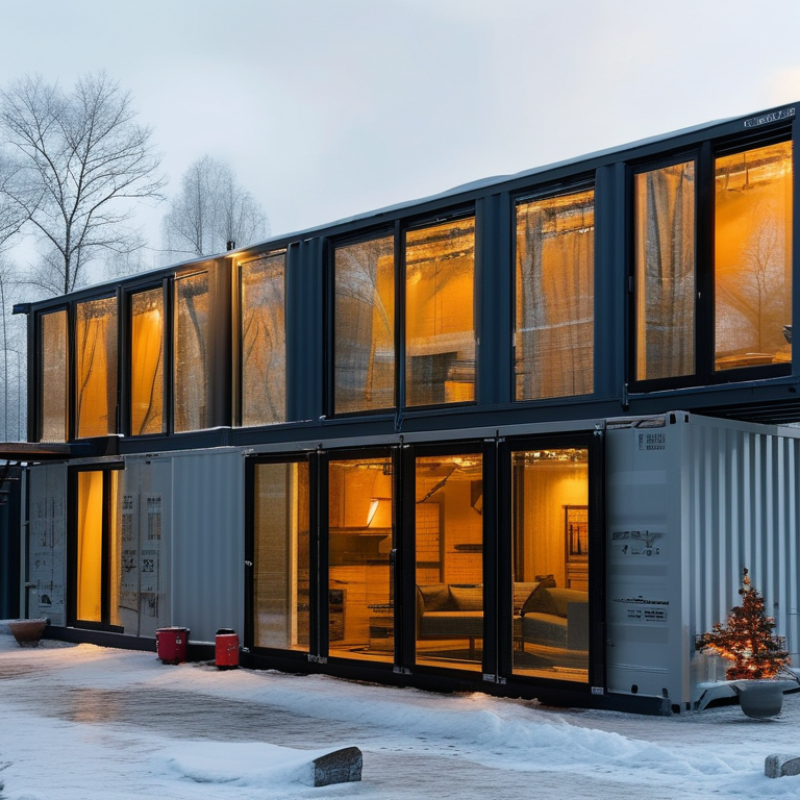
Container homes have gained popularity for their sustainability and versatility, especially in varied climates. In cold environments, however, there are unique challenges to consider. Proper insulation is crucial. According to the National Association of Home Builders, an R-value of at least 20 is recommended for walls in colder regions. This helps maintain warmth and reduce heating costs.
Heating options for container homes should also be efficient. Electric heating systems, radiant floor heating, and wood stoves can be effective. Each has pros and cons. Reports from the U.S. Department of Energy indicate that radiant heating systems can improve comfort by evenly distributing heat. Yet, they may require a significant upfront investment.
Ventilation is another key aspect. Proper airflow prevents moisture buildup, which can lead to mold and structural damage. A study by the Building Science Corporation suggests regular air exchanges are essential. Container homes, while innovative, need careful designs to address these cold climate considerations. Balancing aesthetics with thermal efficiency poses ongoing design challenges.
This chart displays the average monthly temperatures in Fahrenheit for a cold climate area, which is crucial when considering container homes. Understanding temperature variations helps in planning insulation and heating solutions for year-round comfort.
Insulating container homes in cold climates requires specialized techniques to maintain warmth and comfort. One effective method is using rigid foam insulation. This type of insulation is durable and offers excellent thermal resistance. It can be applied to the walls and roof, effectively sealing gaps. A well-executed installation reduces heat loss significantly.
Another approach is to add thermal curtains or window films. Windows can be a major source of heat loss. These additions help create a barrier against cold drafts. Using insulated doors is equally important. Standard metal doors can conduct cold air. Replacing them with insulated options can improve energy efficiency.
Moreover, focusing on the overall design is crucial. Container homes can benefit from passive solar techniques. Positioning windows to maximize sunlight exposure can reduce heating needs. Ventilation strategies should not be overlooked. Proper airflow prevents moisture buildup, which can lead to mold problems. Experimenting with various designs can lead to unexpected challenges. Reflection on experiences in cold climates helps refine these strategies.
When considering container homes in cold climates, heating systems are crucial. Effective heating not only ensures comfort but also prevents structural damage. According to the U.S. Department of Energy, inadequate heating can lead to frost damage and moisture issues. Container homes, typically made of steel, can lose heat rapidly in harsh conditions. Thus, selecting the right heating technology is vital.
Radiant floor heating is an excellent option. This system provides even warmth and reduces energy consumption. It operates by warming the floor, which in turn, heats the air above. In cold climates, this system can be more efficient than traditional heating methods. A study by the National Renewable Energy Laboratory indicated that homes with radiant heating can save up to 30% on energy costs compared to conventional systems.
Tips: Insulate your container home with high-quality materials. Spray foam insulation can effectively seal gaps and reduce heat loss. Also, consider adding thermal curtains or window films to minimize cold drafts. These small changes can create a warmer environment and ensure your heating system operates efficiently.
Container homes offer a unique solution for living in cold climates. To ensure they withstand snow and ice, specific design adaptations are necessary. Insulation is critical. High-quality insulation will keep the warmth inside. Consider using spray foam insulation for added efficiency. This type often fits better around the structural elements of the container.
Another adaptation involves the roof design. A sloped roof can help prevent snow accumulation. Flat roofs are prone to heavy snow loads, risking structural damage. Incorporating overhangs can also protect walls from melting snow and ice runoff. Windows should be triple-glazed. This design choice enhances thermal performance while minimizing heat loss.
Heating systems need careful planning. Radiant floor heating can efficiently warm the space while being energy-efficient. However, initial installation costs might be high. People should contemplate alternative heating sources, like wood stoves, as a backup. Each choice has trade-offs that can impact comfort and efficiency. Adapting container homes for cold climates requires thoughtful consideration of materials, design, and energy systems.
When choosing site locations for container homes in cold climates, it's essential to consider several factors. Look for flat areas, as they offer better drainage. Wet, uneven ground can lead to issues like flooding and structural damage. Ground stability is crucial. Ice and snow can cause settling, so ensure the foundation is solid.
Proximity to natural windbreaks improves insulation and reduces heating costs. Trees or hills can shield homes from harsh winds. However, site access is also vital. Seasonal access roads should remain clear for construction materials and future maintenance. Before placing a container home, assess the long-term sunlight exposure. Shorter days in winter impact heating needs.
While these strategies are effective, individual challenges exist. Building codes in cold regions might restrict certain designs. Local regulations can vary significantly, complicating placement. Additionally, waterproofing and insulating containers effectively requires expertise. It's wise to consult with local builders who understand the specific climate challenges.
| Location | Average Winter Temperature (°F) | Snowfall (inches/year) | Insulation Requirements | Recommended Foundation Type |
|---|---|---|---|---|
| Montana | 20 | 90 | R-30 walls, R-60 roof | Crawl space or piers |
| North Dakota | 15 | 50 | R-32 walls, R-60 roof | Full basement |
| Alaska | 10 | 120 | R-40 walls, R-60 roof | Pier and beam |
| Vermont | 25 | 70 | R-30 walls, R-50 roof | Crawl space |
| Minnesota | 12 | 75 | R-30 walls, R-60 roof | Full basement |
: High-quality insulation is crucial. Spray foam insulation fits well around the structure. It keeps warmth inside effectively.
A sloped roof helps prevent snow accumulation. Flat roofs risk structural damage from heavy snow. Overhangs can help too.
Triple-glazed windows enhance thermal performance. They minimize heat loss, keeping your home warm.
Radiant floor heating is efficient but may be costly to install. Wood stoves can serve as a backup option.
Choose flat areas for better drainage. Avoid wet, uneven ground to prevent flooding issues.
Proximity to trees or hills reduces heating costs. They provide protection from harsh winds, improving comfort.
Local regulations can restrict designs and complicate placement. It’s important to know these before starting.
Long-term sunlight exposure matters for heating needs. Shorter winter days can require more heating solutions.
Yes, local builders understand specific climate challenges. Their expertise is invaluable for waterproofing and insulating properly.
Challenges include ensuring ground stability and potential design restrictions. Careful planning is necessary for success.
Container homes can indeed be used in cold climates, provided that appropriate measures are taken to ensure comfort and safety. Understanding the unique properties of container homes is crucial in assessing their suitability for colder regions. Key insulation techniques, such as spray foam and thermal mass, play a significant role in preventing heat loss and maintaining a stable indoor environment.
Additionally, implementing effective heating systems, like radiant floor heating or electric heaters, can enhance livability in low temperatures. Adapting the design of container homes to withstand snow and ice is essential, which involves considering roof angles, structural integrity, and drainage. Finally, carefully selecting site locations that enhance exposure to sunlight and protect against harsh winds can further improve the performance of container homes in cold climates.

JNM HomeTech