How to Transport and Install a Container House Efficiently?

Time:2026-05-13 Author:Liam
0%

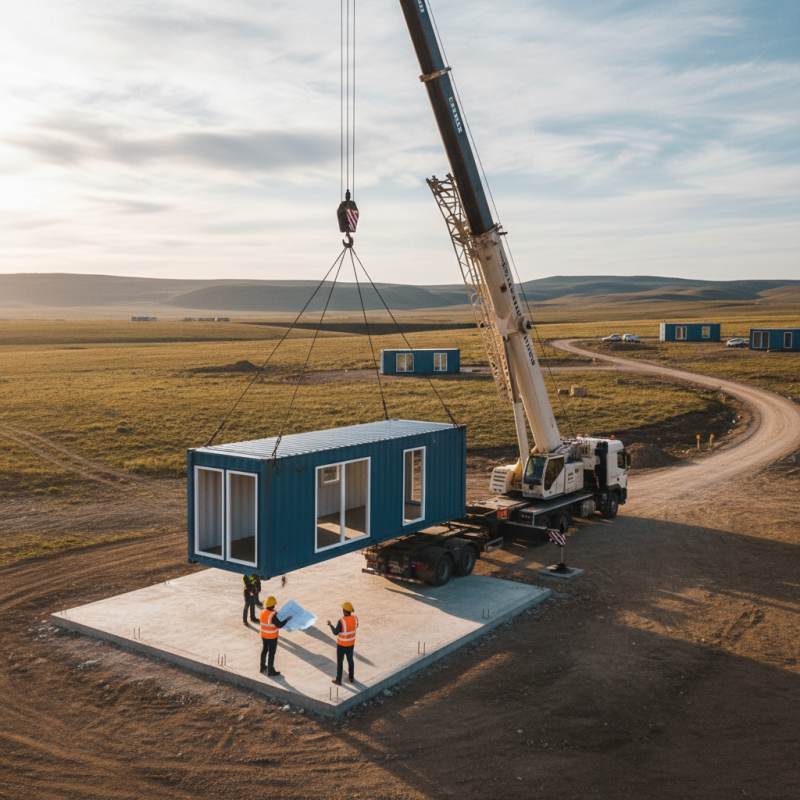
Transporting and installing a container house may seem straightforward, but it requires careful planning and expertise. Knowing how to transport and install a container house efficiently is crucial to avoid delays and additional costs. A successful installation starts long before the actual transport begins. Understanding regulations and site preparation is key.

Logistics play a major role in this process. Choosing the right vehicle for transport and ensuring proper loading techniques can prevent damage to the container. Often overlooked, site selection should consider access routes and foundation requirements. These details are as important as the container itself.

Even with careful planning, unexpected issues can arise during transport and installation. Weather conditions and scheduling conflicts may disrupt the timeline. It's essential to remain adaptable and learn from these challenges. Each experience can lead to improvements in future projects. Proper execution not only enhances functionality but also ensures the longevity of the container house.
How to Transport and Install a Container House Efficiently?

Choosing the Right Container for Your Needs

When choosing the right container for your needs, size and type are crucial. Containers come in various dimensions, typically 20 or 40 feet long. Think about your space requirements. Will you need multiple rooms, or just a small living area? Each container serves different purposes. Consider insulation and climate. Not all containers suit extreme weather well.

Tips: Before purchase, inspect the container’s condition. Look for rust or structural damage. This step is vital for longevity and safety.

Another factor is the intended use. Are you creating a home, office, or a workshop? Each function needs unique modifications. Planning ahead helps avoid costly mistakes. Reflections on previous projects teach valuable lessons. A poorly chosen container can lead to budget overruns.

Tips: Research local regulations. Some areas have strict codes on container homes. Understanding these rules can save you time and money later on.

Container House Transportation and Installation Costs

This bar chart illustrates the estimated costs involved in transporting and installing a container house. Transportation costs are the highest, followed by installation and materials costs. Understanding these expenses can help in budgeting and planning for your container house project.

Planning the Transportation Logistics for Container Houses

Transporting a container house requires meticulous planning. You must assess the route carefully. This means considering bridge heights, road widths, and potential obstacles. An unexpected turn may lead to delays. Creating a detailed map is crucial for smooth navigation.

Working with professionals can enhance the logistics process. They possess the knowledge needed to secure necessary permits. These experts understand local regulations and transport nuances. Hiring experienced drivers can make the journey smoother. However, it is vital to communicate any unique challenges upfront. Not all transport options are equal; choose wisely based on your location.

Once on-site, installation logistics come into play. Positioning the house accurately is essential. Site preparation is critical for stability. This phase can uncover unexpected challenges, like uneven ground. Each project will likely require adjustments. Thus, remain flexible and open to change as the installation progresses.

How to Transport and Install a Container House Efficiently? - Planning the Transportation Logistics for Container Houses

Dimension Value
Container Size 20 ft / 40 ft
Average Weight 2,300 kg / 4,500 kg
Transport Method Flatbed Truck / Ship
Time for Transportation 1-2 days (land) / 2-4 weeks (sea)
Installation Duration 1-5 days
Necessary Equipment Crane, Forklift, Leveling Tool
Site Preparation Flat Surface, Access Roads
Cost Estimate $1,000 - $5,000

Preparing the Site for Container House Installation

Preparing the site for a container house installation is crucial. This phase ensures stability and durability for your structure. According to a report from the Container Housing Association, over 60% of container house issues arise from inadequate site preparation. It’s essential to choose a level area, ideally with a well-drained base to prevent water accumulation. Utilize materials like gravel for proper drainage.

Tips: Always check local zoning laws before site preparation. This can save you from unexpected complications.

Soil testing can also be a key part of this process. It reveals soil composition and load-bearing capacity. A weak foundation can lead to structural issues later. An engineer should assess the site if you're unsure. Their expertise can guide you in addressing any potential site challenges.

Tips: Document the site preparation process. This becomes valuable for any future modifications or improvements.

Incorporate landscaping elements like retaining walls if necessary. These features not only enhance aesthetics but also support foundation integrity. Remember, rushing this crucial step can lead to costly repairs later on. Proper site preparation lays the groundwork for a successful container house installation.

Techniques for Efficient Loading and Unloading of Containers

When transporting and installing a container house, efficient loading and unloading of containers is crucial. Proper techniques can save time and reduce potential damages. It’s essential to plan the process meticulously. Knowing the right equipment to use is vital. For instance, using specialized cranes can enhance safety and efficiency.

Tips: Always inspect the containers before loading. Look for any structural damages or leaks. Addressing these issues early can prevent complications during transport. Utilize forklifts for heavier pieces. This helps distribute weight evenly and minimizes risk.

Communication plays a key role. All team members should understand their specific roles. Miscommunication can lead to errors that delay the project. Having a clear plan for unloading can make the process smoother. Keep pathways clear and ensure there’s enough space for maneuvering.

Tips: It’s beneficial to create a checklist for unloading procedures. This keeps everyone on the same page. Regularly review the checklist to adapt to any changes. Learning from past experiences can improve future operations. Acknowledge areas for improvement to enhance efficiency in subsequent projects.

Final Steps to Secure and Connect Utilities in Container Homes

Connecting utilities in a container home can be complex. Start with water and sewage lines. Ensure you have necessary plumbing tools. Water will flow smoothly only with proper connections. Check for leaks after installation. Testing is crucial for reliability.

Electricity is another vital aspect. Hire a certified electrician to handle this. Ensure your container complies with local codes. Inadequate wiring can lead to hazards. Prioritize safety over quick fixes. Think long-term when choosing utilities.

Tip: Always keep utility access points visible. This helps in fixing issues later. Layout your plumbing and electrical plans before installation. This can prevent costly adjustments after the fact. Regular maintenance will extend the life of your utilities.

FAQS

: What size containers should I consider?

: Containers typically come in 20 or 40 feet lengths. Choose based on your space needs.

How can I ensure the container’s quality?

Inspect for rust or structural damage. Condition affects the longevity and safety of the container.

What is the intended use of my container?

Decide if it will be a home, office, or workshop. Each purpose requires specific modifications.

Why is site preparation important?

Good site preparation ensures stability. Many issues arise from inadequate preparation.

How should I prepare the site?

Choose a level area with good drainage. Materials like gravel can help prevent water issues.

Is soil testing necessary before installation?

Yes, it reveals soil composition and load-bearing capacity. Weak foundations can cause future problems.

What should I do if I’m unsure about site challenges?

Consult an engineer for expert guidance. Professional input can save complications later.

Why document the preparation process?

Documentation is useful for future modifications. It helps track changes and improvements over time.

What landscaping features should I consider?

Incorporate elements like retaining walls. They enhance aesthetics and support the foundation.

Are there regulations I need to be aware of?

Yes, check local zoning laws before starting. Compliance can prevent unexpected complications.

Conclusion

Transporting and installing a container house requires careful planning and execution. First, it’s essential to choose the right container that meets your specific needs, considering factors such as size and condition. Once you have selected your container, planning the transportation logistics is crucial to ensure a smooth delivery process. This includes coordinating with transportation services and understanding the best routes for delivery.

Preparing the installation site is another critical step, as the foundation must be stable and appropriately leveled. When it comes to actual transport, utilizing efficient loading and unloading techniques minimizes potential damage and streamlines the setup process. Finally, securing and connecting utilities to your container home completes the installation, ensuring it's functional and livable. By following these steps on how to transport and install a container house, you can achieve a successful and efficient setup.

Liam

Liam

Liam is a dedicated marketing professional with a profound expertise in the industry, where he excels at highlighting the unique advantages of our core products. With a keen understanding of market trends and consumer needs, Liam frequently updates our company’s professional blog, providing......