How to Properly Insulate a Container House for Best Comfort?

Time:2026-05-07 Author:Sophia
0%

When considering how to insulate a container house properly, expert Mark Thompson emphasizes the importance of solid insulation practices. "Insulation is not just about keeping warm; it's about maintaining comfort year-round," he notes. This statement highlights a crucial aspect when building a home from a shipping container.

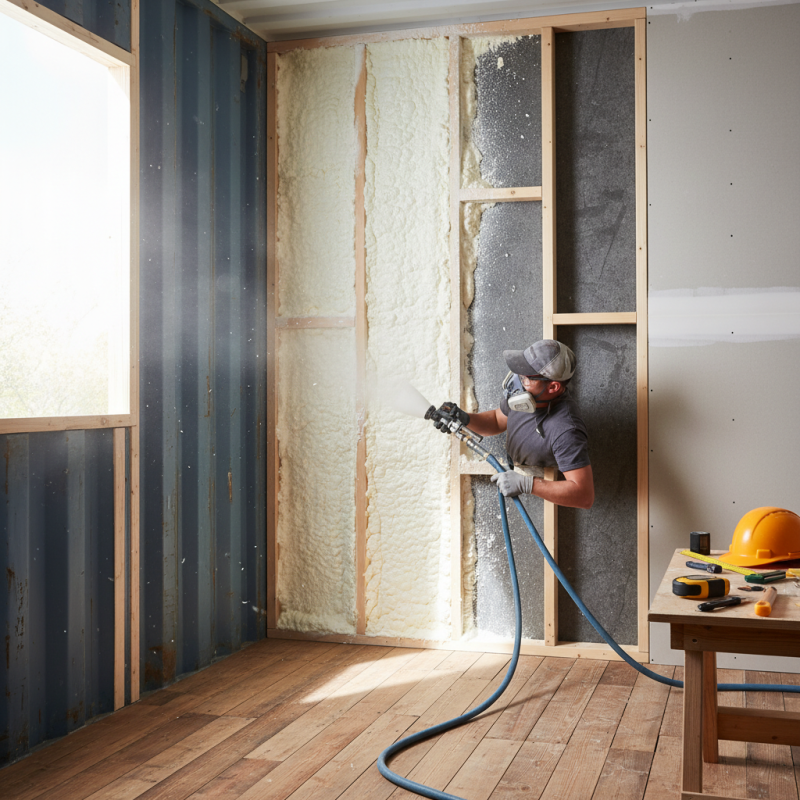
Container homes can be efficient, but they require careful planning. To ensure optimal comfort, it’s vital to choose the right insulation materials. For instance, spray foam insulation can provide a tight seal, reducing energy costs and improving climate control. However, it is essential to assess the potential for condensation, which can lead to long-term damage.

Many builders overlook the impact of insulation on acoustics. Properly insulated walls can significantly reduce noise, enhancing the living experience. Remember, choosing the cheapest option may result in regrets. Instead, investing time and resources into proper insulation will lead to a comfortable and reliable home.
How to Properly Insulate a Container House for Best Comfort?

Choosing the Right Insulation Materials for Container Homes

When insulating a container home, selecting the right materials is crucial for comfort. One popular choice is spray foam insulation. This option boasts an R-value of 6-7 per inch, making it highly effective. In comparison, fiberglass insulation typically offers only R-3.1 to R-4.3 per inch. This difference can significantly impact your heating and cooling expenses.

Consider climate factors. Warmer areas may benefit from reflective insulation panels to mitigate heat absorption. In contrast, cold climates require insulation that minimizes thermal bridging. A report from the U.S. Department of Energy indicates that properly insulated homes can save up to 30% on energy costs. Despite these benefits, not all insulation types are moisture-resistant, which can lead to mold and deterioration if not monitored.

Living in a well-insulated container home is more than just comfort. It affects air quality too. Poor choice in insulation can result in off-gassing, impacting indoor air. Look for materials labeled as low-VOC. While it may be tempting to choose cheaper options, the long-term savings and health benefits often justify the initial investment. Remember, a misstep in insulation can lead to discomfort and costly repairs. Make your choices carefully.

Understanding Thermal Performance and R-Values for Insulation

When insulating a container house, understanding R-values is vital. R-value measures insulation effectiveness in resisting heat flow. Higher values indicate better insulation, leading to enhanced thermal performance. Residential structures often require R-values between 20 and 30, depending on the climate. Insulating your container house correctly can help maintain a stable indoor temperature.

Consider using spray foam insulation, known for its high R-value. It expands to fill gaps, reducing air leaks. Fiberglass batts are an option too, but they may not cover gaps as well. It’s essential to evaluate your needs based on the area’s temperature.

Another detail worth noting is moisture control; condensation can occur without proper ventilation. Controlling humidity protects both insulation and structural integrity.

Insulating a container house isn’t just about choosing materials. Installation matters significantly. Many overlook proper sealing, which can lead to drafts. If done incorrectly, it may require redoing the insulation entirely. Reflecting on these tasks ensures you achieve optimal comfort in your container home. Pay attention to the details for long-term comfort and efficiency.

Techniques for Sealing Gaps and Cracks in Container Structures

Sealing gaps and cracks in a container house is crucial for energy efficiency and comfort. Poor insulation can lead to heat loss. According to the U.S. Department of Energy, buildings with proper insulation can save homeowners up to 15% on energy bills. Identifying problem areas is the first step. Areas around windows, doors, and corners are common culprits. An infrared camera can help spot cool spots that indicate leaks.

To seal these gaps, use high-quality caulk or expandable spray foam. Apply caulk to small gaps and ensure it adheres well to both surfaces. For larger openings, foam insulation offers a better solution. Reports suggest that using spray foam can yield an R-value of 6 to 7, which significantly improves thermal resistance. When installing, ensure proper ventilation to avoid trapping moisture inside the walls, which can lead to mold growth.

Many container homes have unique designs, making insulation challenging. Custom fitting insulation can be necessary. However, measure carefully to avoid gaps. Even the most minor unsealed areas can compromise comfort. Research indicates that even a small 1/8-inch gap can reduce energy efficiency by approximately 10%. As you work on insulation, keep an eye on the overall condition and ensure that your methods are effective over time. Reflecting on your sealing techniques can lead to better long-term results.

Ventilation Options to Improve Air Quality in Insulated Container Homes

Ventilation is crucial for air quality in insulated container homes. According to a report by the American Society of Heating, Refrigerating and Air-Conditioning Engineers (ASHRAE), proper ventilation can reduce indoor pollutants by up to 70%. This is particularly important in tightly sealed structures, where stale air can accumulate quickly.

One effective option is to install mechanical ventilation systems. These systems provide controlled airflow, ensuring fresh air enters while expelling stale air. Passive ventilation methods, such as strategically placed windows or vents, can also help. Studies indicate that homes with cross-ventilation experience improved indoor air quality and enhanced comfort levels by allowing natural breezes to circulate.

However, achieving the right balance can be challenging. Over-ventilation may lead to energy loss, while under-ventilation contributes to moisture buildup and unhealthy air. Periodic assessments of air quality and humidity levels are essential. Regular maintenance of ventilation systems is key to preventing wear and ensuring they operate effectively.

How to Properly Insulate a Container House for Best Comfort? - Ventilation Options to Improve Air Quality in Insulated Container Homes

Insulation Type R-Value Air Sealing Techniques Ventilation Options Recommended Air Quality Features
Foam Board Insulation R-5 to R-10 Weatherstripping, Caulking Static Ventilation, Exhaust Fans Air Purifiers, Ventilation Grills
Spray Foam Insulation R-6 to R-7 per inch Seam Sealing, Barrier Installation Mechanical Ventilation, HRV/ERV Systems Fresh Air Supply, Humidity Control
Mineral Wool Insulation R-3.1 to R-4.2 Foam Sealant, Gasket Strips Passive Ventilation, Windows with Inlet/Outlet Dehumidifiers, CO2 Monitors

Assessing Climate Considerations When Insulating a Container House

When insulating a container house, consider the local climate. Different regions require specific approaches to ensure comfort. Mild climates might allow for simpler insulation methods, while extreme temperatures need thorough measures. The choice of insulation material is crucial. It can impact energy efficiency greatly.

Tips: Use insulation that suits your local weather. Think about spray foam or rigid boards for colder areas. In warmer places, you might prefer reflective barriers to repel heat.

Pay attention to ventilation. Proper airflow prevents moisture accumulation. It also maintains a balanced indoor climate, which is often overlooked. Consider adding windows or vents to enhance airflow. These elements can transform your living space.

Tips: Inspect your insulation regularly. Look for gaps that could let in air. Even small cracks matter. Proper sealing helps maintain a stable temperature inside.

Assessing climate conditions and tailoring your insulation approach can significantly enhance your container house's comfort. Understand the unique needs dictated by your environment. Every choice you make influences the overall livability of your home.

Insulation Material Effectiveness for Container Houses

FAQS

: What is R-value in insulation?

: R-value measures insulation's effectiveness in resisting heat flow. Higher values signify better insulation performance.

What R-value do container houses need?

Container houses typically require R-values between 20 and 30. This depends on the specific climate conditions.

Why is sealing gaps important?

Sealing gaps prevents heat loss. Poor insulation can lead to significantly higher energy bills.

How can I identify gaps in insulation?

Use an infrared camera to spot cool spots. These usually indicate areas where air leaks occur.

What materials are best for sealing gaps?

High-quality caulk works for small gaps, while expandable spray foam is ideal for larger openings.

How does moisture control impact insulation?

Proper ventilation prevents condensation. Without it, moisture can degrade insulation and structural integrity.

Why is installation important for insulation?

Correct installation can prevent drafts. Poor sealing requires redoing insulation work, affecting comfort.

Can unique container designs complicate insulation?

Yes, unique designs may need custom fitting for insulation. Measure carefully to avoid gaps.

What happens if I leave small gaps unsealed?

Small gaps can reduce energy efficiency by about 10%. Even minor unsealed areas matter.

How can I ensure effective insulation over time?

Regularly check the overall condition and reflect on sealing techniques. Adjust methods as needed for better results.

Conclusion

When considering how to insulate a container house properly, it’s essential to start by choosing the right insulation materials suited for the unique structure of container homes. Understanding thermal performance and R-values is crucial in this process, as it determines how effectively the insulation will maintain comfortable indoor temperatures. Techniques for sealing gaps and cracks are also pivotal, as they prevent air leaks that can compromise insulation efficiency.

In addition to these factors, proper ventilation options should be explored to enhance air quality within the insulated spaces. Finally, assessing climate considerations is vital, as it affects both the choice of insulation materials and the overall design of the container house. By addressing these aspects, homeowners can achieve optimal comfort in their container homes.

Sophia

Sophia

Sophia is a dedicated marketing professional with an exceptional depth of knowledge about her company's products and services. With a keen understanding of market trends and customer needs, she crafts insightful blog posts that not only inform but also engage readers, enriching the company’s online......