Are Prefab Homes Cheaper Than Traditional Houses in China?

Time:2026-08-18 Author:Mason
0%

The question "are prefab homes cheaper than traditional houses" is gaining traction in China’s booming real estate market. Recent reports indicate that prefab homes can cost up to 20-30% less than traditional counterparts. This significant price difference appeals to many first-time buyers and investors. Research from the China Academy of Building Research shows that prefab construction can save considerable time. Building a prefab home often takes half the time of traditional methods.

While cost efficiency is a strong advantage, there are considerations to ponder. Many people worry about the quality and longevity of prefab homes. A report from the Ministry of Housing and Urban-Rural Development highlights that improper installation can compromise durability. Moreover, the market still shows skepticism about resale values compared to traditional houses.

The prefab industry is growing rapidly. The potential for eco-friendly construction methods may lead to further interest. However, buyers should weigh these factors carefully before deciding. Embracing innovation could come with unforeseen challenges. As the market evolves, understanding the full scope of costs, benefits, and risks becomes crucial.
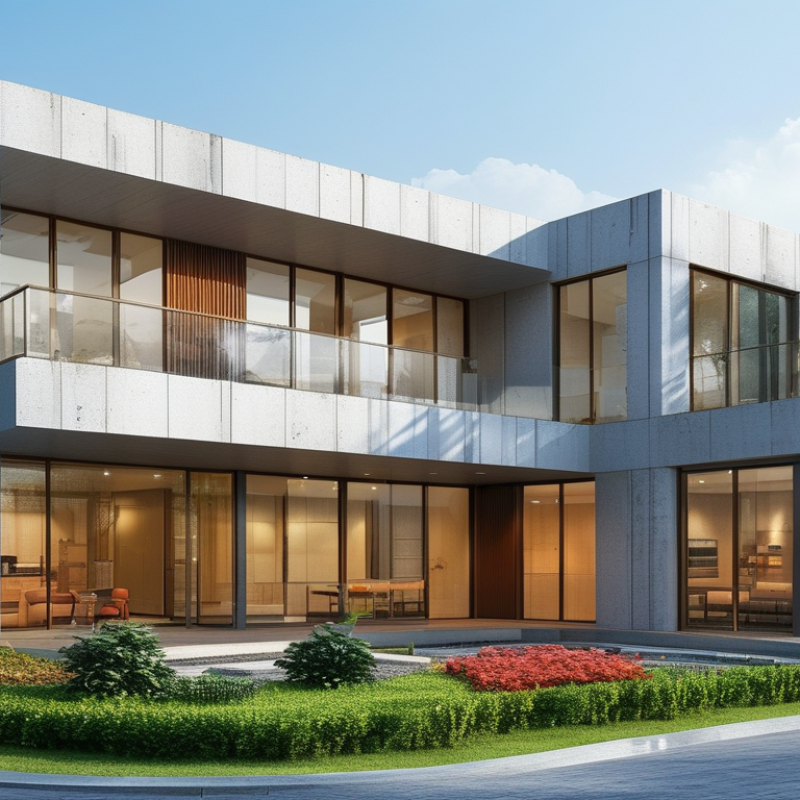
Are Prefab Homes Cheaper Than Traditional Houses in China?

Comparison of Construction Costs: Prefab vs Traditional Homes in China

Prefab homes are gaining traction in China, particularly for their competitive cost compared to traditional houses. Recent industry reports highlight that prefab homes can reduce construction costs by 20-30%. This significant saving stems from a streamlined building process and reduced labor expenses. In contrast, traditional homes often see a hike in costs due to lengthy construction times and higher labor demands.

The average construction cost for traditional homes in urban areas can reach up to 6,000 RMB per square meter. In comparison, prefab homes may average around 4,200 RMB per square meter. This difference makes prefab homes an appealing option, especially for first-time buyers. However, the initial savings can be overshadowed by potential challenges such as limited customization options and concerns about long-term durability.

It's important to note that while prefab homes offer lower costs, buyers must consider location and land prices. In some metropolitan areas, land costs can vary dramatically. This variability can affect the overall affordability of prefab options. The perception of prefab homes as less durable compared to traditional builds also warrants consideration. Consumers are advised to weigh these factors carefully before making a decision.

Factors Influencing the Price of Prefab Homes in China

Prefab homes are increasingly popular in China for their potential cost-saving benefits. Yet, several key factors influence their pricing. The materials used in construction play a significant role. Prefabricated homes often utilize high-quality, lightweight materials. This can reduce transportation costs, but the choice of materials also impacts overall expenses. Locally sourced materials may lower costs further.

Labor costs are another essential factor. Prefab construction generally requires less labor, which can drive down prices. However, in areas with skilled labor shortages, costs can rise. Additionally, the location of the build affects transportation and regulatory expenses. Urban areas may have higher costs due to stricter regulations and land prices. In contrast, rural settings may offer lower land costs but face logistical challenges.

The perceived quality of prefab homes can also influence pricing. Some buyers may associate traditional methods with higher quality, leading them to pay more. This perception can result in a price gap between prefab and conventional homes, even if the actual construction quality is comparable. Understanding these factors is essential for buyers considering prefab homes in China.

Market Trends: Demand and Supply for Prefab Homes

The trend for prefab homes in China is gaining momentum as the demand rises. A recent report by the China Prefabricated Construction Association revealed that the market could grow by 30% annually. This surge reflects a shift in consumer preferences. More buyers are attracted to quicker construction times and lower costs. Prefab homes can be built in weeks rather than months, making them an appealing option.

Supply dynamics are evolving. Many construction firms are diversifying their portfolios to include prefab options. Yet, the supply chain can be challenging. A lack of standardization and quality control issues persists. Some manufacturers struggle to meet the growing demand, leading to potential delays in delivery. A survey highlighted that 40% of consumers expressed concerns about the durability of prefab structures, indicating there is room for improvement in this sector.

Furthermore, the affordability of prefab homes compared to traditional houses is still under debate. While initial costs may be lower, long-term value is questioned. Recent studies indicate that traditional homes still hold better resale value in many areas. Buyers need to weigh these factors when considering their housing options. The market for prefab homes is promising but also requires careful examination.

Are Prefab Homes Cheaper Than Traditional Houses in China? - Market Trends: Demand and Supply for Prefab Homes

Category Prefab Homes (Price per m²) Traditional Homes (Price per m²) Price Difference (%) Market Demand (Units) Market Supply (Units)
Urban Areas ¥8,500 ¥12,000 29.17% 45,000 32,000
Suburban Areas ¥7,000 ¥10,000 30.00% 30,000 25,000
Rural Areas ¥5,500 ¥8,000 31.25% 20,000 15,000

Long-term Financial Benefits of Prefab Homes

In China, prefab homes are becoming an attractive option. The long-term financial benefits can be significant. These homes are cheaper to build and maintain compared to traditional houses. They often use less expensive materials. This can result in lower overall costs for homeowners.

Energy efficiency is another added advantage. Many prefab homes come with modern insulation and sustainable features. This can lower energy bills in the long run. Although the initial savings may seem modest, they add up over time, offering substantial financial relief. Homeowners often find peace of mind knowing their homes are also environmentally friendly.

Tip: Consider your long-term plans when choosing a home. Investing in a prefab home could save you thousands over the years.

While they offer many benefits, it's essential to research local regulations. Some regions impose restrictions on prefab construction. Understand these factors to avoid unexpected costs.

Tip: Visit prefab home sites to see construction quality. A well-built home can withstand the test of time. Engaging with experienced builders can make a difference.

Environmental Impact and Sustainability of Prefab Homes vs Traditional Houses

Prefab homes are gaining attention for their environmental sustainability compared to traditional houses. These homes often use sustainable materials and generate less waste during construction. The factory-based production minimizes the impact on local ecosystems. This approach often leads to a smaller carbon footprint, making prefab homes an appealing choice for eco-conscious buyers.

Despite their benefits, prefab homes can face challenges. The quality of materials varies greatly and may not always meet durability standards. Potential buyers should do thorough research on the manufacturing process. It’s essential to compare different builders and their sustainability practices.

Tips: When considering a prefab home, investigate the types of materials used. Look for certifications that indicate environmental responsibility. Additionally, assess the long-term energy efficiency of the home. Making informed decisions can enhance the sustainability of your investment.

FAQS

: What are the main cost benefits of prefab homes?

: Prefab homes can reduce construction costs by 20-30% compared to traditional homes. This is largely due to a streamlined building process.

How much do traditional homes typically cost in urban areas?

The construction cost for traditional homes can reach up to 6,000 RMB per square meter in urban areas.

What is the average cost of prefab homes per square meter?

Prefab homes generally average around 4,200 RMB per square meter, making them more appealing for buyers.

What challenges should buyers consider with prefab homes?

Limited customization options and concerns about long-term durability may overshadow initial savings on prefab homes.

How do land prices affect prefab home affordability?

Land prices can vary dramatically in different regions, impacting the overall affordability of prefab homes.

What are the long-term financial benefits of owning a prefab home?

Prefab homes tend to have lower maintenance costs and energy bills, providing substantial financial relief over time.

Are prefab homes environmentally friendly?

Many prefab homes feature modern insulation and sustainable elements, contributing to lower energy usage and costs.

What should buyers research before purchasing a prefab home?

It’s vital to understand local regulations as some areas may have restrictions on prefab construction.

How can buyers ensure quality when choosing prefab homes?

Visiting prefab home sites and engaging experienced builders can help you assess construction quality effectively.

Is it advisable to consider long-term plans when buying a home?

Yes, considering your long-term plans can help you understand potential savings and benefits from a prefab home investment.

Conclusion

The article "Are Prefab Homes Cheaper Than Traditional Houses in China?" explores the cost dynamics between prefab and traditional homes within the Chinese market. It begins with a comparison of construction costs, highlighting that prefab homes often require lower investment due to faster assembly and reduced labor costs. Factors such as material sourcing, technological advancements, and economies of scale further influence the pricing of prefab homes.

Additionally, the article discusses market trends, indicating a growing demand for prefab options amid a limited housing supply. It also considers the long-term financial benefits of prefab homes, emphasizing lower energy costs and maintenance. Finally, the environmental impact is examined, suggesting that prefab homes may offer sustainable advantages over traditional houses due to their efficient construction processes. Overall, the discussion ultimately addresses whether prefab homes are indeed cheaper than traditional houses in the evolving housing landscape of China.

Mason

Mason

Mason is a seasoned marketing professional with a deep expertise in the company's offerings and a passion for driving brand awareness. With a strong background in digital marketing strategies, he has an innate ability to connect with diverse audiences and effectively communicate product benefits.......