In recent years, prefab housing has captured significant attention. Many wonder what are the latest trends in prefab housing. These innovations are reshaping the construction landscape. With an emphasis on sustainability, cost-effectiveness, and customizable designs, this sector is evolving rapidly.
One major trend is the integration of smart technology. Homes now feature advanced automation systems that enhance energy efficiency and convenience. Another notable shift is the use of eco-friendly materials. Builders are increasingly opting for sustainable options that reduce environmental impact. This reflects a growing awareness among consumers.
Despite these advancements, challenges remain. Many still associate prefab with low quality or limited aesthetics. This perception can hinder market growth. As the industry progresses, overcoming these biases will be essential. Understanding these trends provides valuable insights into the future of housing. As we explore these five trends, consider how they might influence your housing choices.
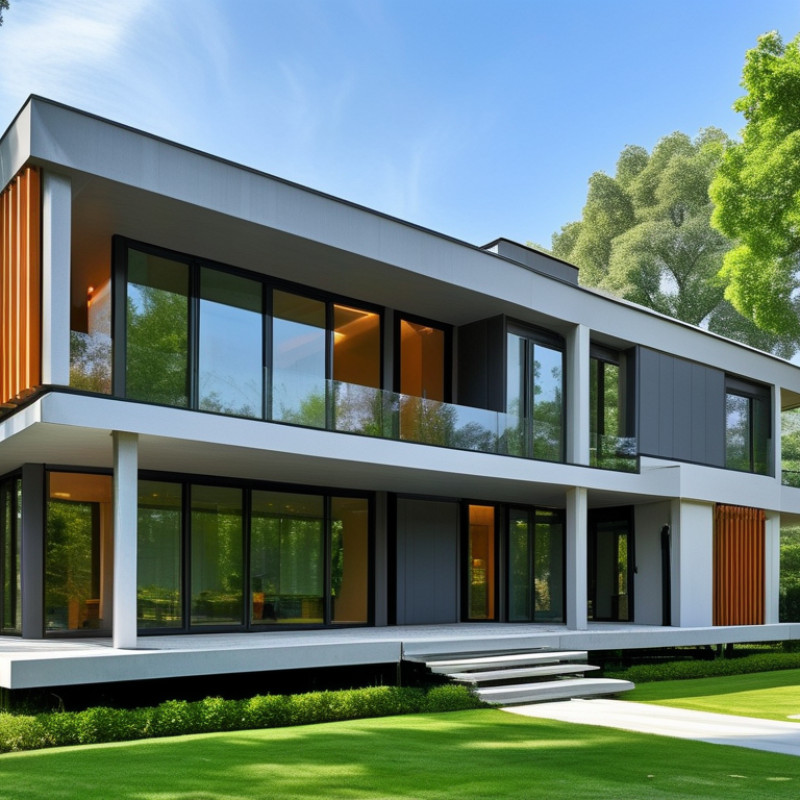
Emergence of Eco-Friendly Materials in Prefab Housing
The rise of eco-friendly materials is reshaping prefab housing.
According to a recent industry report from the U.S. Green Building Council, the use of sustainable materials in construction has increased by nearly 25% over the past five years.
This shift reflects a growing awareness of environmental impacts among builders and homeowners alike.
Recycled and renewable materials, such as bamboo and reclaimed wood, are gaining popularity.
These materials not only reduce waste but also contribute to healthier living spaces.
However, challenges remain. Sourcing quality eco-friendly materials can be difficult.
Prices for these materials may be higher, which can deter some buyers.
More prefab builders are exploring innovative options like recycled plastics and sustainable insulation.
A survey conducted by the National Association of Home Builders indicated that 45% of builders are incorporating such materials in their projects.
Yet, many still grapple with the balance of cost and sustainability. As demand rises, the industry must address these complexities carefully.
Integration of Smart Home Technology in Prefab Designs
Prefab housing is rapidly evolving, particularly with the integration of smart home technology. This trend reflects the growing preference for convenience and efficiency among homeowners. According to a recent report by the National Association of Home Builders, about 70% of homebuyers express interest in smart home features. These include automated lighting, smart locks, and climate control systems. Such technologies not only enhance comfort but also optimize energy consumption.
Smart technology in prefab designs offers significant benefits. For instance, smart thermostats can adjust heating and cooling based on occupancy, leading to energy savings of up to 10-15%. Moreover, integrated security systems provide peace of mind and protect properties from intrusions. The challenge lies in ensuring these systems remain user-friendly. Some homeowners struggle with complex interfaces. This can hinder the adoption of smart technology in prefab homes.
The connection between smart tech and prefab housing represents a significant shift in residential design. Prefab homes equipped with technology are becoming more prevalent, with a projected market growth of 25% over the next five years. Yet, the focus should remain on usability. If technologies are not intuitive, they may alienate potential users. Striking a balance between innovation and accessibility is critical for the future of prefab housing.
Rise of Customization Options for Prefab Home Buyers
The rise of customization options in prefab housing reflects evolving consumer desires. Home buyers now seek more than just a shell; they want spaces that reflect their unique lifestyles. According to a recent report by IBISWorld, the prefab housing market is projected to grow 6.4% annually over the next five years, emphasizing this shift towards personalized designs. Customized layouts, materials, and finishes allow homeowners to create their dream environments.
Customization can transform a standard model into something extraordinary. Features like eco-friendly materials are becoming more popular. In a survey by Statista, 58% of potential homebuyers expressed interest in green building options. This trend highlights a growing awareness of sustainability and a commitment to creating homes that minimize environmental impact. However, there can be challenges when integrating extensive customization. Increased costs and longer build times may lead to frustration for some buyers.
Tips: Always clarify your priorities before the customization process. Stick to essential features that match your lifestyle. Consider the long-term maintenance of your selected materials. Remember that flexibility is key; professional advice can simplify your choices and avoid potential pitfalls. Building your dream home should empower you, not overwhelm you.
Accelerated Construction Processes in Prefabricated Housing
Accelerated construction processes are transforming the landscape of prefabricated housing. Recent statistics show that the prefab housing market is expected to grow by 10.5% annually until 2026. This growth is largely due to the increased demand for quicker building solutions. Traditional construction often takes months or even years, while prefabricated homes can be erected in a fraction of that time.
One key advantage of prefabrication is the streamlined assembly line approach. Components are manufactured in controlled environments, reducing time lost due to weather interruptions. This method can cut construction time by as much as 50%. Reports indicate that on-site assembly can often take just a week, which is a remarkable improvement over traditional methods. However, this rapid process raises questions about quality control and long-term durability.
These advancements are not without their challenges. The reliance on technology can lead to issues in design flexibility. Customization is limited compared to traditional homes. Furthermore, components have to fit perfectly, which requires precise measurements and planning. Any discrepancies can delay completion and increase costs. The balance between speed and quality remains a critical consideration for the industry moving forward.
Shift Towards Sustainable Energy Solutions in Prefab Communities
The shift towards sustainable energy solutions is reshaping prefab communities. More builders are focusing on energy-efficient designs. Solar panels are now commonly integrated into prefab homes. These homes utilize natural sunlight, reducing reliance on fossil fuels.
Additionally, many prefab developments incorporate smart technologies. Homeowners can control their energy use more effectively. Energy management systems track consumption patterns. This innovation promotes conservation and lowers utility costs.
However, challenges remain. Not all prefab homes are created equal in energy efficiency. Some designs still lag behind, requiring upgrades. As the industry evolves, consumers seek better options. Prefab housing is moving towards greener practices, but consistency is key. Energy sustainability must become the standard, not an exception.
Top 5 Latest Trends in Prefab Housing - Shift Towards Sustainable Energy Solutions in Prefab Communities
FAQS
: Prefab housing is increasingly integrating smart home technology for convenience and efficiency.
About 70% of homebuyers express interest in smart home features like lighting and climate control.
Smart thermostats can adjust temperatures based on occupancy, saving energy by 10-15%.
Some homeowners find complex interfaces difficult to use, hindering technology adoption.
The market for smart prefab housing is projected to grow by 25% in the next five years.
Solar panels reduce reliance on fossil fuels by utilizing natural sunlight for energy.
They track energy consumption patterns, helping homeowners manage their usage effectively.
No, not all prefab homes are energy efficient; some designs need upgrades.
Balancing usability with innovation is essential for appealing to homeowners.
Energy sustainability should be standard practice, not an exception in prefab housing.
Conclusion
In the realm of construction, the question "what are the latest trends in prefab housing" highlights significant shifts shaping the industry. One notable trend is the emergence of eco-friendly materials, which not only enhance sustainability but also appeal to environmentally conscious buyers. Additionally, the integration of smart home technology is transforming prefab designs, making them more user-friendly and efficient.
Customization options are also on the rise, allowing buyers greater flexibility to tailor their homes to fit individual tastes and needs. Furthermore, accelerated construction processes are becoming commonplace, enabling quicker turnarounds without sacrificing quality. Lastly, there is a noticeable shift towards sustainable energy solutions within prefab communities, promoting a more eco-conscious lifestyle. These trends collectively reflect a dynamic evolution in the prefabricated housing sector, catering to modern demands for efficiency, personalization, and sustainability.

 JNM HomeTech