10 Essential Tips on Container Houses and Their Functionality?

Time:2026-07-14 Author:Sienna
0%

The rise of container houses signifies a shift in modern living. But what is a container house and how does it work? These structures utilize repurposed shipping containers, transforming them into viable homes. According to a report by the American Institute of Architects, container housing can reduce construction costs by up to 30%.

Container houses are not just cost-effective; they also exhibit remarkable functionality. They offer flexibility in design and can adapt to various environmental conditions. However, challenges exist. Insulation and ventilation are critical to ensure comfort within these spaces. Research indicates that proper insulating materials can enhance energy efficiency significantly.

Many believe container houses can address housing shortages. In urban areas, they provide quick solutions. Yet, cities must consider zoning laws and aesthetic value. Container homes may face resistance from traditionalists who question their livability. Thus, while the potential is immense, reflection on these concerns is essential for the future of container housing.
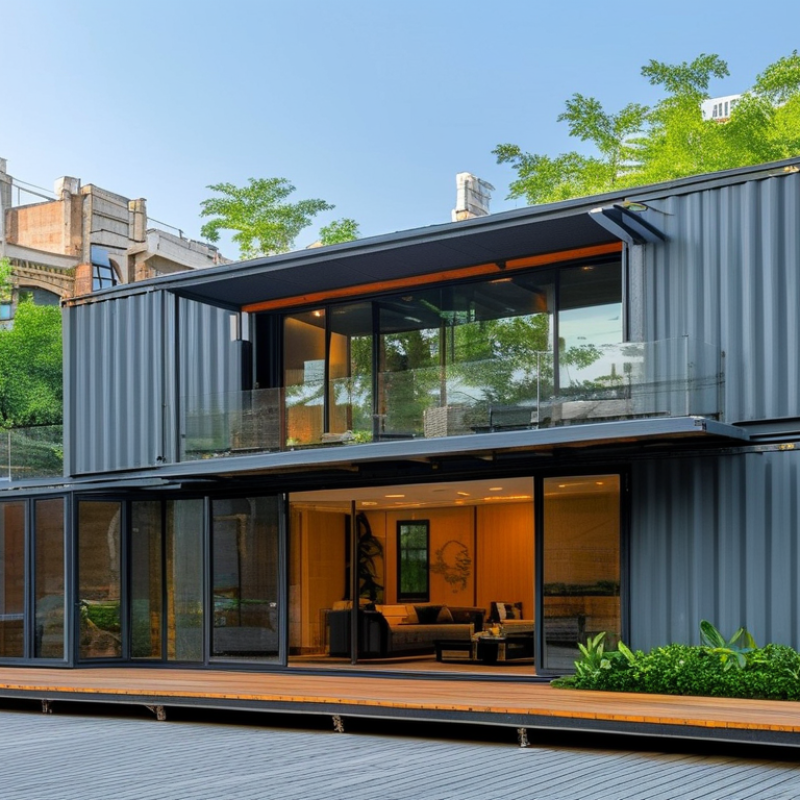
10 Essential Tips on Container Houses and Their Functionality?

Understanding Container Houses: An Overview of Their Design and Purpose

Container houses have gained popularity for their unique design and practical functionality. These homes are often made from shipping containers, which are durable and sustainable. Their modular nature allows for various configurations and creative designs. A significant advantage is that they are quick to build, saving time and cost when compared to traditional homes. However, it's essential to consider local building codes before starting a project.

When designing a container house, keep in mind the importance of insulation. Containers can heat up quickly or retain cold, making climate control a challenge. Choosing the right materials for insulation can enhance comfort and energy efficiency. Additionally, think about the layout carefully. Open floor plans maximize space and natural light, creating an inviting atmosphere.

Here are some essential tips: Utilize eco-friendly materials to reduce your environmental impact. Create outdoor spaces by incorporating decks or patios, extending the living area. Ensure proper ventilation to maintain air quality and prevent moisture issues. It's also wise to plan for utilities like plumbing and electricity during the design phase. Each decision contributes to the overall functionality of the container house.

Key Advantages of Living in Container Homes: Sustainability and Cost-Effectiveness

Container homes have gained popularity for their uniqueness and practicality. One of the key advantages of living in these structures is their sustainability. Repurposing shipping containers reduces waste and minimizes the carbon footprint. This eco-friendly approach resonates with modern values, especially in an era focusing on climate change. Many owners appreciate the idea of recycling materials while achieving a stylish home.

Cost-effectiveness is another significant benefit. Container homes often require less initial investment than traditional houses. The raw materials are generally cheaper, and construction time can be dramatically reduced. This affordability can open the door for many people who find conventional housing out of reach. However, building a container home is not without challenges. Insulation and ventilation must be thoughtfully addressed to ensure comfort year-round. Some may find it hard to source suitable containers that are structurally sound. It’s essential to conduct thorough research before diving into such a project.

Essential Design Considerations for Container Houses: Space and Layout

When designing a container house, space and layout are crucial. Every inch counts when working with a limited footprint. Open floor plans can enhance the sense of space, making small areas feel larger. Utilize multifunctional furniture to maximize usability. For instance, a sofa that converts into a bed can be a game-changer.

Consider how natural light enters your container home. Large windows can create a bright, airy atmosphere. Skylights are another option to enhance this effect. Think about the placement of rooms too. Bedrooms should ideally be away from noise to ensure rest. Additionally, an efficient layout will allow smooth movement and functionality.

While aesthetics matter, it’s key to focus on practicality. Avoid clutter and prioritize essential items. Sometimes, it may require sacrifices on luxury. Reflect on personal needs, ensuring your design serves everyday life. Ultimately, functionality should guide your design choices in a container house.

10 Essential Tips on Container Houses and Their Functionality

Tip Description Functionality Design Considerations
1. Optimize Space Make the most of the limited space in container homes. Increased usability and comfort. Consider open floor plans and multi-functional furniture.
2. Insulation Proper insulation to manage temperature and reduce noise. Enhanced energy efficiency. Use high-quality insulation materials.
3. Natural Light Incorporate windows and skylights. Improve mood and reduce need for artificial lighting. Plan openings strategically to maximize light.
4. Ventilation Ensure adequate airflow throughout the container. Improve indoor air quality. Install vents, fans, and windows for cross-ventilation.
5. Structural Reinforcement Reinforce the structure for safety and longevity. Ensure durability in various weather conditions. Use additional support where necessary.
6. Outdoor Integration Create usable outdoor spaces. Extend living space and connect with nature. Design patios, decks, or landscape areas.
7. Sustainable Materials Use eco-friendly materials for construction. Reduce environmental impact. Choose recycled or sustainably sourced materials.
8. Modular Design Consider modular designs for flexibility and scalability. Easier to expand or modify the space. Plan for future expansions during the initial design.
9. Local Climate Consideration Design with local weather patterns in mind. Increase comfort and minimize energy consumption. Research local climate effects on designs.
10. Aesthetic Appeal Focus on the visual aspects and finishings. Create a welcoming and stylish home. Experiment with colors, textures, and materials.

Functional Enhancements: Eco-Friendly Features in Container Home Construction

Container homes are gaining popularity for their eco-friendly features. These structures offer innovative solutions for sustainable living. The use of repurposed shipping containers reduces waste and promotes recycling. Choosing container construction means reducing traditional building materials. This leads to lower carbon footprints.

Many container homes integrate solar panels. Solar energy is renewable and can power the house efficiently. Rainwater collection systems are also common. They provide water for gardening and other uses. Additionally, proper insulation is crucial. Enhanced insulation keeps the home comfortable in various climates.

Not every design is perfect. Sometimes, space can feel confined. Customization can lead to higher costs. Ensuring proper ventilation is essential too. Without it, condensation issues may arise. Homeowners should consider these factors when planning their container homes. Each choice impacts both functionality and sustainability.

Legal Regulations and Zoning Laws for Container House Projects

When embarking on a container house project, understanding legal regulations and zoning laws is crucial. These rules vary significantly by location. Local governments often have specific codes addressing construction, safety, and land use. Failing to adhere to these standards can lead to costly penalties or project delays.

Before starting your project, research your area's zoning laws. Determine if the land is zoned for residential use. Some areas may only allow container homes in certain zones, while others may have restrictions on structure size and design. Often, permits are required. Consulting with local authorities can help clarify these requirements.

Incorporating container houses can be cost-effective and eco-friendly. Here are some practical tips: ensure proper insulation to maintain comfortable temperatures. Use high-quality sealing to prevent leaks. Think ahead about utilities like plumbing and electricity. It can be challenging to retrofit these into pre-existing containers. Reflect on your project’s scope to avoid unplanned expenses.

Navigating the laws and regulations may seem overwhelming. Keep detailed records of your plans and correspondence with local officials. A clear understanding of the legal landscape will help you build a successful and compliant container home.

FAQS

: What are the main advantages of living in container homes?

: Container homes offer sustainability and cost-effectiveness. They reduce waste and have a smaller carbon footprint.

How do container homes promote sustainability?

They repurpose shipping containers, minimizing the use of new materials and promoting recycling practices.

What makes container homes cost-effective?

They typically require a lower initial investment and can be built faster than traditional houses.

What design considerations should I keep in mind for a container home?

Space and layout are critical. Open floor plans and multifunctional furniture can enhance usability.

How can I improve natural light in a container home?

Use large windows and skylights to create a bright atmosphere within your space.

What are some eco-friendly features to include in container homes?

Consider solar panels and rainwater collection systems to enhance sustainability in your home.

What challenges might I face when building a container home?

You may struggle with insulation, ventilation, and sourcing structurally sound containers.

Why is proper insulation important in container homes?

Good insulation maintains comfort across seasons and protects against condensation issues.

How can I ensure my container home design is functional?

Focus on practicality over aesthetics. Avoid clutter and prioritize essential items for everyday living.

What sacrifices might I need to make in a container home design?

Luxury items may need to be substituted for more functional choices due to limited space.

Conclusion

Container houses are innovative structures made from repurposed shipping containers, designed to offer a sustainable and cost-effective housing solution. Understanding what a container house is and how it works involves recognizing its unique modular design, which allows for flexibility in space and layout. These homes capitalize on the inherent strength and durability of metal containers, making them a viable option for eco-conscious living.

The advantages of container homes include not only their economic benefits but also their potential to incorporate eco-friendly features, enhancing their functionality. However, prospective owners must navigate various legal regulations and zoning laws that may affect construction and occupancy. By considering these essential design elements and legalities, individuals can effectively explore container housing as a modern, sustainable lifestyle choice.

Sienna

Sienna

Sienna is a skilled marketing professional with a deep expertise in our company’s core products and services. With a passion for innovation and detail, she plays a pivotal role in crafting insightful blog posts that not only highlight the unique features of our offerings but also provide valuable......