10 Essential Tips for Designing a Modern Prefab Container Home?

Time:2026-06-04 Author:Madeline
0%

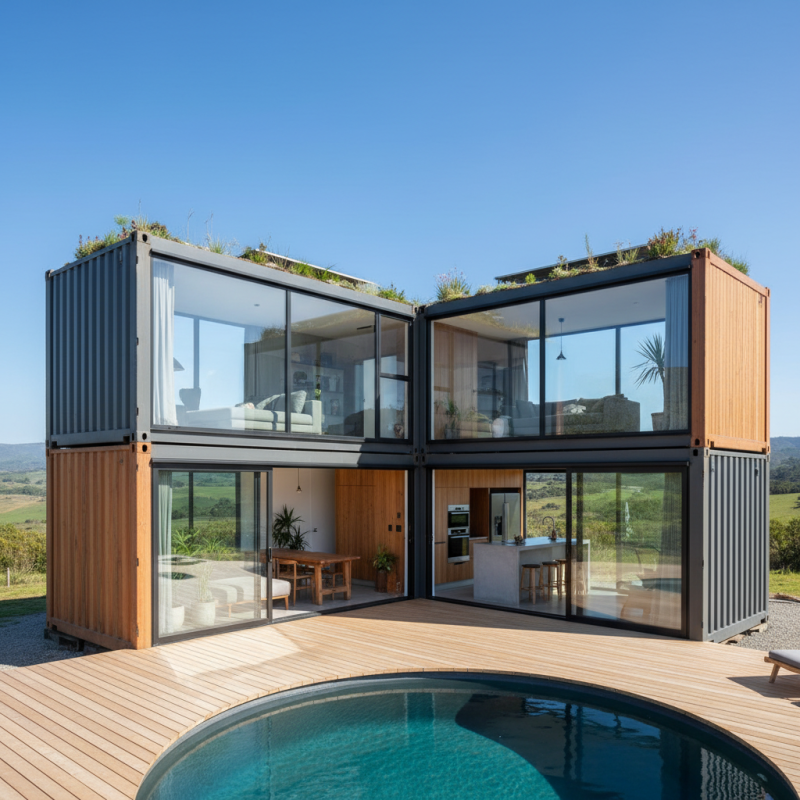
Designing a modern prefab container home can be an exciting journey. These homes blend functionality with creativity. They offer a unique solution for sustainable living. If you are wondering how to design a modern prefab container home, you’re not alone. Many homeowners are exploring this innovative building method. It provides flexibility in designs while maintaining eco-friendliness.

When designing, consider the overall layout first. Think about how each space will be used. Open floor plans can help create a feeling of spaciousness. Lighting plays a crucial role too. Natural light can transform small spaces into inviting areas. Additionally, materials used can impact both aesthetics and energy efficiency.

It's essential to balance aesthetics with practicality. You might find that some ideas do not work as well in practice. Experimentation can lead to unexpected outcomes. Embrace flexibility in your designs. Mistakes may occur, and they often lead to better solutions. This process is about more than just construction; it’s about crafting a home that reflects your values and lifestyle.
10 Essential Tips for Designing a Modern Prefab Container Home?

Key Considerations for Choosing the Right Container for Your Home

When choosing the right container for your prefab home, structural integrity is crucial. A survey by the National Institute of Standards and Technology highlights that not all containers meet the necessary building codes. Buyers should check certification and compliance before making a selection. A reliable container must withstand weather elements, especially in harsh climates.

Dimension and layout are also key considerations. Standard shipping containers come in various sizes—20-foot and 40-foot being the most common. Data from the Container Owners Association shows that about 40% of developers prefer the 40-foot option for residential projects. Larger containers offer more space but can complicate transportation. Therefore, it’s vital to balance space requirements and mobility.

Additionally, insulation is often overlooked. Experts suggest that improper insulation can lead to significant temperature fluctuations. According to a study by the U.S. Department of Energy, containers without adequate insulation can lose up to 30% of heating energy. This not only affects comfort but also increases energy costs. So, pay attention to insulation options when finalizing your container choice.

10 Essential Tips for Designing a Modern Prefab Container Home

This chart highlights key considerations for choosing the right container when designing a modern prefab container home.

Essential Design Elements for Maximizing Space in Container Homes

Maximizing space in container homes requires thoughtful planning and strategic design elements. One effective approach is to use multifunctional furniture. A foldable dining table can serve as both a workspace and a dining area. This not only saves space but also adds versatility to your living area. Using built-in storage solutions, such as under-bed drawers or wall-mounted shelves, can streamline your belongings. It’s crucial to consider these elements to ensure a clutter-free environment.

Another essential design detail is the integration of natural light. Large windows or skylights can make a small space feel more expansive. Strategically placing mirrors can also create an illusion of depth and brightness. Additionally, open floor plans can help in maintaining a free flow of movement. However, balancing openness with privacy is sometimes challenging. It is wise to reflect on how you can segment spaces without compromising the overall spacious feel.

Employing vertical space is often overlooked in container homes. Tall shelving units can use height to maximize storage while keeping the footprint minimal. Plants can enhance aesthetics and improve air quality, but they also require maintenance. Certain design choices invite personal reflection. Understanding how you live and what you value can directly influence the layout and functionality of your container home.

Sustainable Practices in Modern Prefab Container Home Construction

Creating a sustainable prefab container home requires careful planning and consideration. Embracing eco-friendly practices ensures that your residence can have a minimal environmental footprint. One way to achieve this is by utilizing recycled materials. Containers themselves are a perfect starting point, but incorporating reclaimed wood or recycled insulation can enhance sustainability.

Consider the energy efficiency of your design. Installing solar panels can significantly reduce electrical costs and reliance on traditional power sources. Gathering rainwater for irrigation can conserve water. Design elements like large windows maximize natural light, reducing the need for artificial lighting.

When it comes to landscaping, choose native plants. They require less water and are better suited for the local climate. Implementing green roofs can improve insulation and promote biodiversity. Each of these tips highlights the importance of a holistic approach, combining style and functionality while being mindful of our planet. Sustainable practices should be a core principle as you design your modern container home.

Incorporating Natural Light and Ventilation in Container Home Design

Natural light and ventilation are crucial for a comfortable prefab container home. Large windows can enhance the indoor experience, allowing natural light to flood the space. Consider floor-to-ceiling windows for a stunning effect. This choice also connects the indoors to the outdoors, creating a seamless flow.

Ventilation is equally important. Without it, container homes can feel stuffy and claustrophobic. Proper airflow can be achieved through strategic window placement. Installing sliding doors can also help improve ventilation. However, remember to balance aesthetics and function. Sometimes, too many openings can compromise privacy or security.

Additionally, incorporating skylights can brighten darker areas of your home. They can transform a simple container into a light-filled sanctuary. While designing, it’s essential to think critically about each decision. The orientation of your home matters for maximizing sunlight and airflow. Mistakes in placement can lead to inconvenient heat buildup. Always be open to revisiting your design choices. Adaptation can lead to unexpected benefits in a prefab container home.

Legal Regulations and Permits for Prefab Container Homes

When designing a modern prefab container home, understanding legal regulations is crucial. Each location has specific codes that dictate what is permissible. Not all areas allow container homes, so start by checking local zoning laws. This ensures you won’t face unexpected hurdles later. Securing the right permits can be time-consuming, but it’s necessary for compliance. Failure to obtain permits can lead to fines or demolition orders.

Consider incorporating sustainable design features when planning your home. Solar panels or green roofs can enhance energy efficiency. They may also improve your permit approval chances. Connect with local authorities early in the design process. Their insights can guide you on the best practices.

Furthermore, plan your layout to maximize the use of space. Modular designs allow for flexibility in configuration. This can make your home more appealing, both aesthetically and functionally. Remember that while the idea of a container home is innovative, the practicality of design plays a significant role in permitting success. Each design choice should reflect both creativity and compliance with regulations.

FAQS

: How can I maximize space in a container home?

: Use multifunctional furniture like foldable tables to save space and increase versatility in your living area.

What are built-in storage solutions?

Built-in storage includes under-bed drawers and wall-mounted shelves that help keep belongings organized.

How does natural light affect container homes?

Natural light makes small spaces feel larger. Large windows or skylights can enhance the overall environment.

What is the benefit of an open floor plan?

Open floor plans promote free movement but can create privacy challenges. Reflect on how to balance these aspects.

How can I utilize vertical space effectively?

Tall shelving units maximize storage without occupying much floor space. It’s often an overlooked opportunity.

What role do plants play in container home design?

Plants improve aesthetics and air quality but require maintenance. Consider how this fits into your lifestyle.

Why is ventilation important in container homes?

Proper ventilation prevents stuffiness. Good airflow can be achieved through strategically placed windows and sliding doors.

How can skylights benefit my container home?

Skylights brighten dim areas and create a light-filled environment. They are essential for enhancing your overall space.

How should I consider home orientation?

Orientation impacts sunlight and airflow. Poor placement can lead to heat buildup, so think critically about your choices.

What should I reflect on when designing my container home?

Understanding your lifestyle and values will inform the layout and functionality that best suits your needs.

Conclusion

When considering how to design a modern prefab container home, several key factors are essential for creating a functional and aesthetically pleasing living space. First, choosing the right container is crucial, as it impacts both the structural integrity and the overall design flexibility of the home. Essential design elements should focus on maximizing space, utilizing multi-functional furniture, and clever storage solutions that make the most of compact areas.

Sustainable practices play a vital role in the construction of container homes, as they often emphasize recycling materials and energy-efficient systems. Enhancing natural light and ventilation is also important, as these elements contribute to a healthier living environment. Additionally, understanding the legal regulations and permits necessary for prefab container homes ensures that the build process is compliant and smooth. Incorporating these considerations will help anyone interested in how to design a modern prefab container home achieve their vision effectively.

Madeline

Madeline

Madeline is a dedicated marketing professional with a wealth of expertise in our company's core offerings. With a keen understanding of the industry, she brings a unique perspective to her role, consistently delivering high-quality content that highlights the superior aspects of our products. As......