Can Container Homes Be Customized Easily for Global Buyers?

Time:2026-05-16 Author:Madeline
0%

The growing popularity of container homes raises a vital question: can container homes be customized easily for global buyers? These innovative living spaces offer flexibility and affordability, appealing to a diverse market. However, customization can vary significantly based on location, regulations, and buyer preferences.

Many manufacturers promote their ability to create tailored designs. Yet, challenges often arise in sourcing materials and meeting local building codes. Buyers may find that options are limited by their geographical location. Some regions impose stringent regulations that restrict architectural changes. Understanding these constraints is essential for potential homeowners.

In the realm of customization, materials play a crucial role. While container homes can be equipped with modern amenities, choices may be influenced by budget and local availability. Furthermore, the level of personalization may also depend on the expertise of builders. The desire for unique features can sometimes lead to unexpected hurdles. Cultivating a clear vision and being open to compromises can make the process smoother.
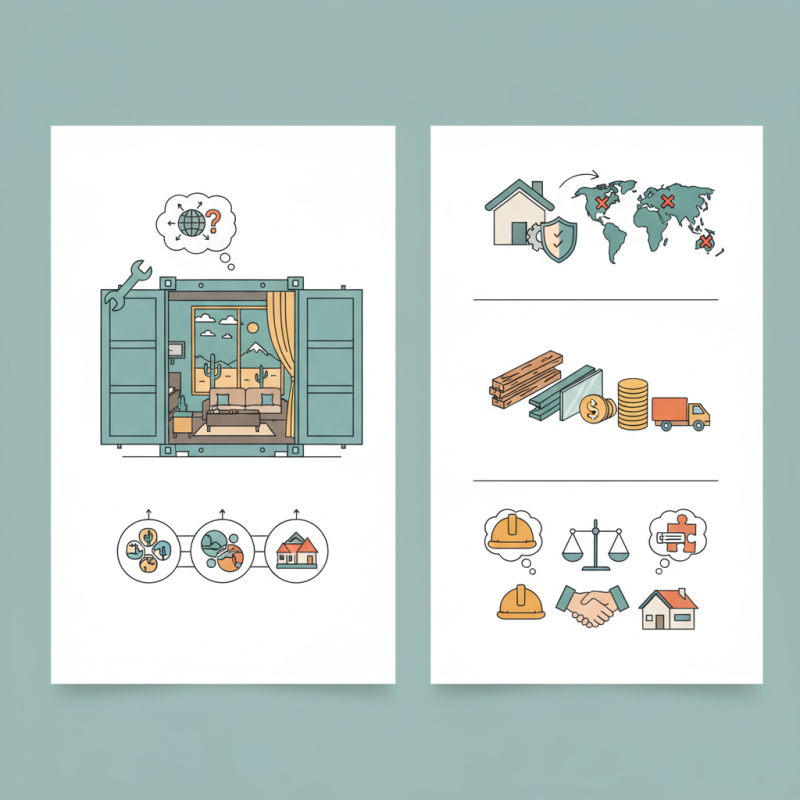
Can Container Homes Be Customized Easily for Global Buyers?

Understanding Container Homes: An Overview of Their Features

Container homes have gained popularity due to their unique features. They offer sustainability and affordability. These homes can be built quickly, which appeals to many. They are made from repurposed shipping containers, promoting recycling and reducing waste.

Customization options are plentiful but not without challenges. Buyers can choose layouts, colors, and finishes. However, local building codes may complicate modifications. Some regions have strict regulations for container homes. Thus, potential owners should do thorough research before starting their projects.

Another aspect to consider is insulation. Proper insulation is essential for comfort. Unfortunately, some may underestimate this requirement. It’s vital to address heating and cooling needs effectively. Failure to do so can lead to discomfort and higher energy costs.

The Process of Customizing Container Homes for Global Buyers

Container homes have gained popularity globally, offering a unique living experience. The customization process begins with understanding buyer preferences. Customers may want specific layouts, sizes, or finishes. This requires professional input from architects and designers. They ensure that each home meets the desired aesthetic and functional needs.

Customization involves selecting materials and colors. Some buyers prefer eco-friendly options, while others prioritize durability. There might be challenges, such as sourcing specific materials. This can lead to delays and increased costs. Open communication is essential to navigate these issues. Buyers need to rely on experienced professionals to guide them through the process.

Another vital aspect is the layout. Some clients envision open spaces, while others seek cozy nooks. Balancing these preferences can be tricky. It might necessitate multiple design iterations. Each stage of customization requires careful thought and attention to detail. Embracing feedback helps improve the design. Adapting plans to align with local building codes and climate conditions adds another layer of complexity. This ensures safety and livability in different environments.

Factors Influencing Container Home Customization Options

Container homes have gained popularity for their sustainability and affordability. However, customizing these homes can be a complex process. Several factors influence the options available to global buyers. Local building codes and regulations can either restrict or enhance customization possibilities. For example, in some regions, specific designs may not meet safety standards.

A critical factor is the climate. Homes in different environments require different materials and designs. In colder areas, for instance, insulation becomes crucial. Buyers need to consider whether a design fits the needs of their environment. It’s also vital to think about future modifications. Flexibility in design can allow homeowners to adapt as their needs change.

Tips: Look for local experts who understand your area's regulations. Engage with them for tailored advice. Assess your present and future needs. This foresight can save you from costly adjustments later. Lastly, remain open to compromise. Some desires may not be feasible within your budget or location. Exploring alternatives can lead to satisfying solutions.

Can Container Homes Be Customized Easily for Global Buyers? - Factors Influencing Container Home Customization Options

Customization Factor Description Impact on Customization
Local Regulations Regulations regarding housing structures vary widely by country and region, affecting design and modification. High influence; must comply with local codes.
Cultural Preferences Different cultures have varying preferences for layouts, materials, and finishes. Medium influence; personalization required for market acceptance.
Climate Considerations Building needs to accommodate local climate such as insulation, ventilation, and waterproofing. High influence; must ensure comfort and longevity.
Material Availability Access to specific materials can limit design options and customization levels. Medium influence; affects cost and sustainability.
Technological Advancements Emerging technologies can enable more sophisticated designs and customization choices. Medium influence; opens up new possibilities.

Popular Design Styles for Container Homes Around the World

Container homes are gaining popularity globally, with various design styles emerging. A recent report indicates that the container home market is expected to grow by 20% annually. This growth reflects the increasing demand for sustainable living solutions. Homebuyers appreciate the eco-friendly aspects of container homes, making them an appealing option.

In regions like Europe, modern minimalist styles dominate container home designs. Clean lines and open layouts create a spacious feel. In contrast, rustic styles are trendy in North America. These designs often incorporate wooden elements, blending the industrial look with natural aesthetics. According to industry analysts, adaptability in design is key for global buyers seeking unique living spaces.

Tips for customization include choosing materials that reflect local architecture. Consider the environment and climate when designing spaces. Always prioritize functionality over aesthetics to ensure comfort. Embrace imperfections; they often lead to innovative design solutions. Engaging with local artisans can add authenticity to your container home.

Challenges in Customizing Container Homes for Different Markets

Customizing container homes for different markets presents various challenges. One major issue arises from diverse building regulations worldwide. Each region has specific codes, impacting design and construction. Adjusting to these standards can complicate the customization process. A one-size-fits-all approach rarely meets local requirements.

Another challenge is cultural preferences. Designs that appeal in one area may fall flat in another. Local aesthetics and lifestyles vary greatly. For instance, some cultures prioritize outdoor space, while others focus on maximizing indoor living. Misunderstanding these factors can lead to a product that performs poorly in the market.

Supply chain variability also affects customization. Sourcing materials that meet both quality and local standards can be tough. Keeping costs reasonable while ensuring durability is a delicate balance. Ultimately, it's essential for manufacturers to engage with local communities, understanding their needs fully before creating designs. This reflection on customer preferences and building practices is key to successful container home customization.

Challenges in Customizing Container Homes for Different Markets

FAQS

: What are the main benefits of container homes?

: Container homes are sustainable and affordable. They can be built quickly, which attracts many buyers.

How customizable are container homes?

There are many customization options available, including layouts and finishes. However, challenges exist due to regulations.

What should potential owners research before building?

Buyers should research local building codes and regulations. These can impact customization options and project feasibility.

Why is insulation important in container homes?

Proper insulation ensures comfort. Poor insulation can lead to discomfort and higher energy costs, which some may overlook.

How do climate conditions affect container home design?

Different climates require different materials and insulation. Cold regions must prioritize insulation needs for comfort.

What should homeowners consider for future modifications?

Flexibility in design is essential. Homeowners should think about their future needs to avoid costly changes later.

What trends are seen in container home designs?

Modern minimalist styles are popular in Europe, while rustic styles are favored in North America. Each reflects local tastes.

How can homeowners add authenticity to their container homes?

Engaging local artisans can enhance the home's character. This can lead to unique and meaningful design elements.

What should buyers prioritize when customizing a container home?

Functionality should take precedence over aesthetics. This ensures the space is comfortable and practical for everyday use.

How can compromise benefit container home projects?

Being open to compromise can lead to satisfying alternatives within budget constraints. It's important to keep expectations realistic.

Conclusion

Container homes have gained popularity worldwide due to their unique features and versatility. To address the question of whether "can container homes be customized easily," the article explores how these homes can be tailored to meet the diverse needs of global buyers. The customization process involves understanding the materials, design elements, and structural modifications required to accommodate various climates and aesthetic preferences.

Several factors influence customization options, such as local building codes, cultural trends, and environmental considerations. The article also highlights popular design styles for container homes across different regions, emphasizing how global diversity impacts customization. However, challenges remain in adapting container homes for various markets, including regulatory requirements and supply chain limitations. Overall, with the right approach, container homes can indeed be customized to suit a wide range of buyers globally.

Madeline

Madeline

Madeline is a dedicated marketing professional with a wealth of expertise in our company's core offerings. With a keen understanding of the industry, she brings a unique perspective to her role, consistently delivering high-quality content that highlights the superior aspects of our products. As......