Building a container home in China has become a popular alternative in recent years. This trend reflects a shift towards sustainable living and innovative architecture. Many are curious, however, about how much does it cost to build a container home. The answer depends on various factors, including design, location, and materials used.
The average cost can range significantly. Prices for containers themselves can vary widely between cities. Additionally, local labor costs and regulations impact the total expenditure. Many potential builders overlook these aspects, leading to underbudgeting. This lack of preparation may cause delays or increased expenses later on.
Ultimately, understanding the costs involved is crucial. Carefully planning each step can prevent unforeseen challenges. Despite the allure of container homes, the financial implications are complex. They deserve thorough consideration before embarking on this journey.
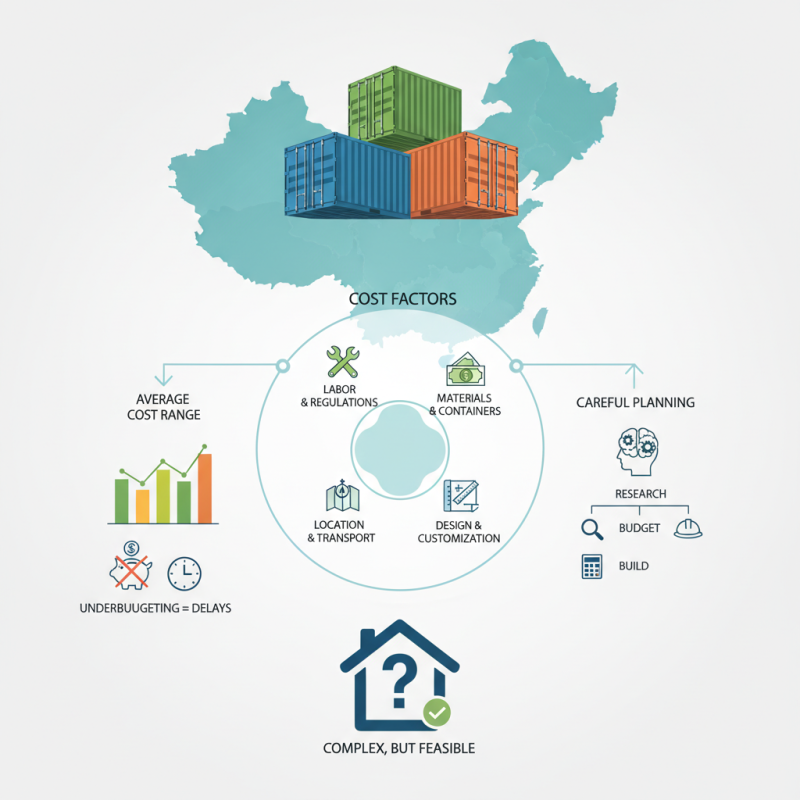
Building a container home in China can be an affordable yet innovative housing solution. The cost overview reveals that construction expenses typically range from $1,500 to $2,200 per square meter. This variation depends on design complexity, local labor prices, and material quality. A report from the China Container Housing Association indicates that container homes can be built for 30% less than traditional homes, making them a practical option.
Several factors influence the total cost. Container availability, land costs, and necessary permits can add unexpected expenses. A recent study shows that preparing land might account for 20% of overall costs. Additionally, utilities installation can be another significant factor. This creates a need for careful budgeting.
**Tips:** Always obtain multiple quotes from contractors. This helps you gauge market rates and find the best deal. Research local regulations and zoning laws thoroughly. Understanding these can save you time and money later. Keep in mind that unexpected costs can arise. Being prepared can lead to a smoother building process.
Building a container home in China can be an appealing option for many. Assessing the average price per container is crucial. Typically, a single used shipping container costs between $1,500 and $3,000. However, prices can vary based on condition and size. New containers are more expensive, often ranging from $3,000 to $5,000. These figures are derived from industry reports that analyze shipping container markets.
When considering additional costs, one must include modifications. Insulation, windows, and plumbing are common upgrades. Basic modifications could add $10,000 to $20,000 to the total cost. Some families find the expenses surprising. Many overlook permits and land improvement costs. Depending on the location, these can easily reach thousands of dollars.
Market fluctuations can also affect container prices. Economic shifts and demand for containers drive prices up or down. Buyers need to remain informed about these trends. This approach ensures better budgeting. While container homes offer affordability, hidden costs may arise. Being diligent in research is critical. It allows potential homeowners to plan effectively.
| Container Size | Average Cost (RMB) | Required Containers for a Home | Total Estimated Cost (RMB) |
|---|---|---|---|
| 20ft Container | 30,000 | 2 | 60,000 |
| 40ft Container | 50,000 | 3 | 150,000 |
| Combined (20ft + 40ft) | 80,000 | 5 | 400,000 |
| Custom Build | 100,000 | 4 | 400,000 |
| Luxury Finish | 150,000 | 3 | 450,000 |
Building a container home in China requires careful planning and consideration, particularly concerning site preparation and foundation costs. The foundation lays the groundwork for your container home, affecting its stability and longevity. Generally, this involves clearing the land and ensuring proper drainage. Typical costs can range from a few thousand to tens of thousands of yuan, depending on site conditions.
Budgeting for site preparation should include excavation and leveling. In regions with rocky or uneven terrain, these costs can escalate quickly. Additionally, necessary permits can add to the overall budget. It’s wise to consult with local experts to get accurate quotes and timelines.
Tips: Always factor in unexpected expenses. Hidden challenges often arise during preparation. Consider soil testing before beginning your project. This can prevent costly modifications later. Engage professionals who have experience with container homes for the best results. Trustworthy contractors can help navigate the complexities of foundation work and local regulations, ensuring a solid start to your build.
Building a container home in China involves various factors, including labor costs and construction timeframes.
Labor costs can vary significantly across regions. According to industry reports, skilled labor rates range from $2 to $8 per hour.
In urban areas, expenses are often higher due to demand. This could add up to 20%-30% of the total construction budget.
Construction timeframes for these homes typically span from three to six months, depending on multiple factors.
Site preparation, design complexity, and the availability of labor can affect timelines. A simple container home can be completed within a shorter window, while complex designs require more time.
Reports indicate that poor project management often leads to delays. Choosing experienced contractors mitigates this issue.
Building codes also impact the process. Regulations vary by locality, influencing construction duration.
In some regions, bureaucratic hurdles can lead to extended waiting periods. It's crucial for buyers to engage with knowledgeable professionals to navigate these challenges.
Ultimately, understanding these aspects helps in making informed decisions about building container homes in China.
Building a container home in China involves several hidden expenses beyond the initial construction costs.
Utilities can add a significant amount to your overall budget. Hooking up water, electricity, and sewage can cost between 10,000 to 30,000 RMB. This varies based on location and infrastructure. In more remote areas, these costs may rise sharply due to the need for additional piping and wiring.
Permits are another crucial expense. Depending on your city, building permits may range from a few thousand to over 20,000 RMB. The local government’s regulations impact these costs significantly. Some regions require environmental assessments, which can further inflate expenses. These permits can be time-consuming to acquire, and unexpected fees may arise during the application process.
Interior finishing can also consume a large chunk of your budget. Basic furnishing might start at 15,000 to 50,000 RMB, depending on quality and style. If you are looking for custom ideas, the prices can soar. This phase often uncovers overlooked details, such as flooring and insulation choices, which should not be neglected. Investing in quality here can lead to long-term satisfaction but could also stretch finances.
: Construction costs typically range from $1,500 to $2,200 per square meter.
Factors include design complexity, local labor prices, material quality, and land costs.
Land preparation can account for about 20% of the total budget.
Always obtain multiple quotes from contractors and factor in hidden challenges.
Proper site preparation affects stability and longevity, ensuring your home lasts longer.
Costs can range from a few thousand to tens of thousands of yuan, depending on site conditions.
Conduct soil testing before starting your project to identify potential issues.
Yes, local experts can provide accurate quotes and essential local regulation advice.
Container homes can be built for about 30% less than traditional options, offering affordability.
Necessary permits can add significant expenses, so understanding local regulations is crucial.
Building a container home in China offers an innovative housing solution, but potential homeowners often wonder, "how much does it cost to build a container home?" The total cost can vary significantly based on several factors. On average, the price per container can fluctuate depending on market conditions and the quality of the containers selected. Additionally, site preparation and the foundation required for stability can add to the overall expenditure.
Labor costs also play a crucial role in determining the price, as construction timeframes can differ based on the complexity of the design and local labor rates. Beyond these primary costs, buyers should also consider additional expenses, such as utilities, permits, and the interior finishing needed to make the container home livable. Therefore, a comprehensive understanding of these factors is essential for anyone looking to invest in a container home in China.

JNM HomeTech