Are Container Houses Suitable for Commercial Use or Not?

Time:2026-06-13 Author:Aria
0%

The rise of container houses has sparked a debate: are container houses suitable for commercial use? As modern design trends evolve, these structures offer unique advantages but also present significant challenges. On one hand, container homes are cost-effective and sustainable, appealing to businesses looking to minimize expenses and environmental impact. They can be easily modified, allowing for creativity and versatility in design.

However, there are crucial factors to consider. Local zoning laws might restrict their use for commercial purposes. Additionally, the climate resilience of container houses can vary widely. Insulation and ventilation are paramount for comfort and functionality. Furthermore, the perception of container houses may deter some clients, impacting their marketability.

Exploring these aspects is essential to understand the potential and limitations of using these structures commercially. Ultimately, a thorough evaluation of specific needs and regulations is necessary. Are container houses suitable for commercial use? The answer may vary depending on the context and intended application.
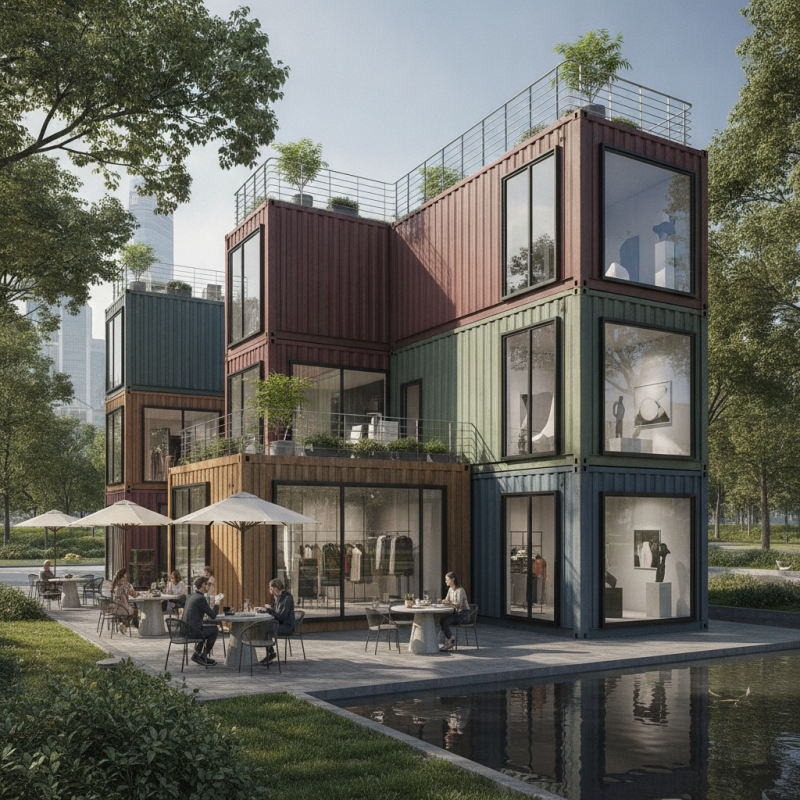
Are Container Houses Suitable for Commercial Use or Not?

Definition and Overview of Container Houses

Container houses have gained popularity due to their unique design and sustainability. Made from repurposed shipping containers, these structures offer a new way to live and work. They are modular, durable, and can be customized to fit various needs. In commercial settings, container houses can be transformed into offices, fast food outlets, or even retail spaces. Their mobility also allows businesses to relocate as needed.

However, while container houses are adaptable, they do come with limitations. Insulation and ventilation are crucial to ensure comfort. The wiring and plumbing need careful planning. Sometimes, local zoning laws can pose hurdles for commercial use. It's essential to check regulations beforehand.

Tips for success include considering the location carefully. Good visibility can enhance business potential. Partnering with experienced builders can help navigate technical challenges. Use high-quality materials for interiors, as this reflects professionalism. Balancing innovation and practicality is key. Regular maintenance and updates will ensure the container house remains functional over time.

Advantages of Using Container Houses for Commercial Purposes

Container houses are increasingly being recognized for their potential in commercial use. These structures offer unique advantages. They are eco-friendly and cost-effective, which makes them appealing to businesses. According to a report by the International Institute for Sustainability, constructing buildings from recycled containers can reduce construction waste by up to 75%. This is a significant benefit for businesses looking to enhance sustainability.

Moreover, container houses provide flexibility in design and functionality. They can be easily modified or relocated, which is essential for dynamic business environments. A study by the Container Architecture Association shows that over 60% of small businesses using container spaces report lower operational costs. This can lead to a healthier profit margin.

Tip: When considering a container house, assess its insulation and weather resistance. Local climates can impact structural longevity. Consider also the potential need for modifications. They can add to the initial costs but may pay off in the long run. Pay attention to zoning regulations. These can vary significantly and affect your ability to use container structures for commercial purposes. Being aware of these factors is crucial for making informed decisions.

Are Container Houses Suitable for Commercial Use or Not? - Advantages of Using Container Houses for Commercial Purposes

Dimension Description Advantages
Cost Efficiency Lower construction costs compared to traditional buildings. Reduces overall project budget.
Speed of Construction Rapid assembly and installation process. Quick return on investment.
Sustainability Made from recycled shipping containers, eco-friendly option. Supports green building practices.
Flexibility Can be easily modified or expanded based on needs. Adaptable to various commercial uses.
Mobility Containers can be relocated as needed. Ideal for temporary or portable businesses.
Durability Strong and weather-resistant structure. Longevity with minimal maintenance.

Potential Challenges and Limitations of Container Houses in Business

Container houses have gained popularity in residential settings, but their commercial viability is more complex. While they can be cost-effective and environmentally friendly, several challenges may hinder their widespread adoption for business use. One significant issue is compliance with local building codes and regulations. Many areas have stringent requirements that container structures may not easily meet.

Another challenge is insulation and climate control. A report from the International Energy Agency highlights that poor insulation can lead to increased energy costs—up to 30% higher in some cases. This poses a problem for businesses aiming to manage operational expenses. Likewise, container houses often lack the aesthetics and flexibility required for branding and customer experience, which are vital for commercial spaces.

Tip: If considering a container house, consult a local architect. They can guide you through potential zoning issues and design adaptations that make your project viable.

Moreover, the resale value of container buildings remains uncertain. Market reports indicate that potential buyers are often skeptical about unconventional structures, limiting investment return. Businesses should also consider the longevity of these structures. Without proper maintenance, containers can rust and degrade, leading to higher long-term costs.

Tip: Regular maintenance checks go a long way. Consider establishing a schedule to inspect your container house's integrity.

Case Studies: Successful Commercial Use of Container Houses

Container houses have gained traction in commercial settings, demonstrating their adaptability and efficiency. Recent studies indicate that the global market for container homes is projected to reach $73 billion by 2027, reflecting substantial growth driven by modular construction trends.

Various businesses have successfully integrated container design into their operations, showcasing versatility.
For instance, coffee shops and pop-up retail spaces have harnessed the unique aesthetic of containers to attract customers. One notable case involved a chain that transformed shipping containers into vibrant cafe spaces. The use of containers reduced construction costs by nearly 30% and expedited setup by several months compared to traditional builds. However, some face challenges with insulation and zoning regulations, which can complicate establishment in urban areas.

Furthermore, mixed-use developments featuring container units are gaining popularity. These projects often combine residential and commercial spaces, aiming to create vibrant communities. Reports indicate that environments with mixed-use developments can boost foot traffic by approximately 40%. Nevertheless, potential buyers should consider long-term sustainability and maintenance when investing in container properties, as durability can vary widely.

Future Trends and Innovations in Container House Usage for Commerce

Container houses are gaining traction in commercial settings. Their unique structure provides flexibility in design and functionality. According to a 2022 market report by Research and Markets, the global modular construction market is expected to grow by over 6% annually, driven partly by container house innovations. This sector offers cost reductions and faster building times, essential in today's fast-paced business world.

Recent trends indicate that businesses are utilizing container houses for a variety of purposes, including pop-up shops and office spaces. Innovators have transformed these structures into vibrant cafes and flexible retail environments. In some urban areas, modular containers can be delivered and assembled in a matter of days. The adaptability of container houses appeals to startups and established companies alike. However, zoning laws can complicate their use. Not all regions are receptive to containers as commercial spaces.

Sustainability is another driving factor. Converted shipping containers can minimize environmental impact. The World Green Building Council noted that modular buildings can use up to 75% less energy. However, durable insulating materials and proper ventilation systems are crucial for long-term success. As companies pursue eco-friendly solutions, addressing potential barriers will be key for the future of container houses in commerce.

FAQS

: What are container houses used for in commercial settings?

: Container houses serve as pop-up shops, cafes, and flexible office spaces, attracting diverse customers.

How much can container houses reduce construction costs?

They can reduce costs by nearly 30%, offering more affordable options for businesses.

How quickly can container houses be set up?

In some urban areas, they can be assembled within days, speeding up the establishment process.

What are the benefits of mixed-use developments with container units?

These developments can boost foot traffic by about 40%, creating vibrant community spaces.

What are common challenges faced when using container houses?

Insulation issues and zoning regulations can complicate their implementation in urban locations.

How does sustainability play a role in container house usage?

They can significantly reduce environmental impact, using up to 75% less energy.

What should investors consider before buying container properties?

Durability and long-term maintenance are crucial factors to think about for these properties.

Are zoning laws favorable towards container houses?

Not all regions accept container houses as commercial spaces, posing potential challenges.

What are the recent market trends for container houses in commerce?

The sector is growing, with a projected annual growth of over 6% driven by innovations.

How does the versatility of container houses benefit businesses?

Their adaptable design appeals to both startups and established companies seeking unique solutions.

Conclusion

Container houses have gained attention as a versatile and sustainable option for commercial use. They offer numerous advantages, such as cost-effectiveness, quick construction times, and flexibility in design. These factors lead many businesses to explore how container houses can serve as retail spaces, offices, or even hospitality venues. However, potential challenges, including zoning regulations and insulation concerns, may arise, necessitating careful planning and consideration.

Several case studies highlight successful implementations of container houses in various commercial settings, showcasing their ability to blend functionality with aesthetic appeal. As innovation drives the development of container technology, it raises the question: are container houses suitable for commercial use? The future seems promising, with trends indicating increased acceptance and creative utilization of these structures in the business world.

Aria

Aria

Aria is a dedicated marketing professional with a deep passion for innovative strategies and a keen understanding of our company's product offerings. With a wealth of experience in the industry, Aria excels at crafting engaging content that highlights the unique features and benefits of our......