As the trend of container housing rises, a pressing question emerges: are container houses safe for living? By 2026, these unique dwellings might attract more attention due to their affordability and innovative designs. However, safety concerns linger, demanding deeper exploration.
Container homes offer a novel solution to housing shortages. They are often eco-friendly and customizable. Yet, the structural integrity and insulation of these houses remain subjects of debate. Can they withstand extreme weather? Are they fire-resistant? Such factors directly impact the safety of living in them.
Additionally, the mental well-being of residents is a crucial consideration. Living in an unconventional environment can evoke mixed feelings. While many thrive in unique spaces, others may feel claustrophobic. Thus, understanding how people adapt is vital, as it connects to overarching questions of safety and comfort in container houses.
The Definition and Structure of Container Houses
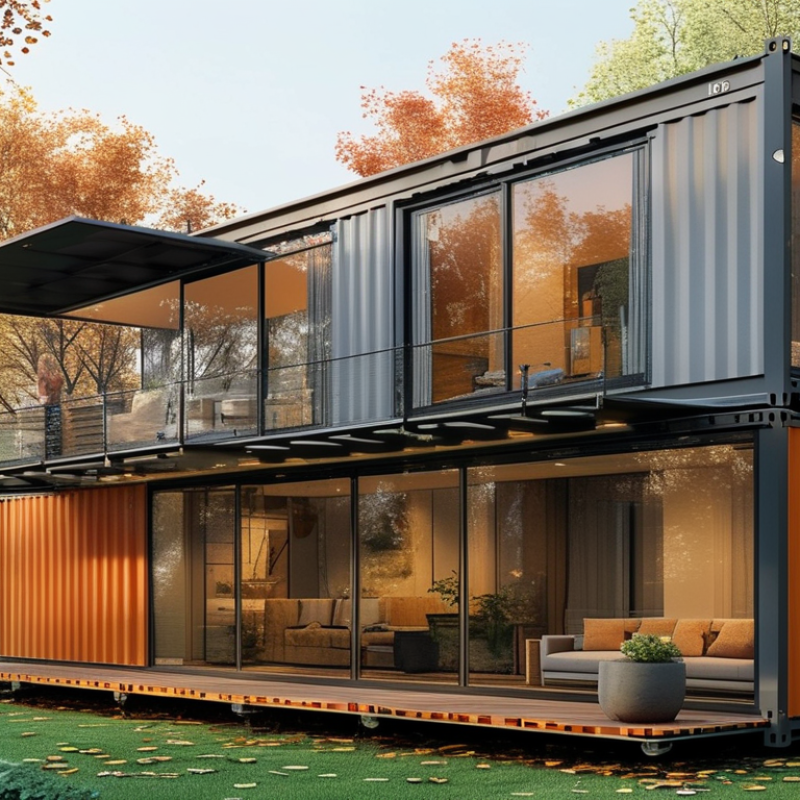
Container houses are gaining popularity as alternative living spaces. These homes are made from repurposed shipping containers, which are designed to transport goods across oceans. The structure typically includes insulation, plumbing, and electrical systems, making them habitable. They can be stacked or arranged to create unique layouts, catering to various needs and preferences.
One significant aspect of container houses is their potential for eco-friendliness. They recycle materials that would otherwise end up in landfills. However, there are concerns about safety. The metal structure can overheat in hot climates. Additionally, proper insulation is crucial to avoid condensation issues. Some container homes may have inadequate ventilation, leading to air quality problems. Choosing the right design and materials can mitigate these issues.
The flexibility of container houses allows for creativity in design and location. They can be placed in urban areas or remote locations. Yet, local regulations can affect their viability. Some regions may have strict building codes, making it challenging to use containers as permanent homes. It's essential to research and plan carefully before committing to this unique living space.
Regulatory Standards for Container Homes in 2026
Container homes are gaining popularity, but their safety hinges on regulatory standards. By 2026, these standards will address design, construction, and safety protocols. Many regions are expected to adopt more rigorous regulations. Ensuring homes meet these guidelines is crucial for resident safety.
Building codes may include requirements for insulation, fire safety features, and structural integrity. These codes vary widely across different locations. As a buyer, understanding local regulations will help in selecting a safe container home.
Tip: Always check with local authorities before purchasing. Confirm that the home complies with the latest safety codes.
Container homes may also face challenges in zoning laws. Some areas restrict their use. It’s essential to research before making any decisions.
Tip: Speak with professionals who have experience in container home compliance. Their insights can save you from future headaches.
While many aspects are improving, potential pitfalls still exist. Not all container homes are created equal, and past experiences reveal that cheaper options may compromise safety. Prior research and consultation can mitigate risks effectively.
Are Container Houses Safe for Living in 2026? - Regulatory Standards for Container Homes in 2026
| Aspect |
Regulation |
Safety Standard |
Notes |
| Structural Integrity |
ANSI A119.5 |
Must withstand extreme weather |
Guidelines for materials and construction methods |
| Fire Safety |
NFPA 1 |
Fire resistant materials required |
Regular inspections recommended |
| Insulation |
IECC 2021 |
Energy efficiency standards |
Improper insulation can lead to higher energy costs |
| Plumbing |
IPC 2021 |
Health and safety codes |
Regular maintenance for systems |
| Electrical Safety |
NEC 2023 |
Compliant wiring and installation |
Hire licensed electricians |
Safety Features and Concerns of Container Houses
Container houses have gained popularity due to their modern aesthetic and eco-friendly design. However, safety features and concerns cannot be overlooked. Many container homes are designed with insulation and weatherproofing, which can protect against extreme temperature fluctuations. Additionally, proper structural reinforcement is vital. Containers may need enhancements to withstand severe weather conditions.
Nevertheless, there are issues to consider. Poor ventilation can lead to humidity and mold problems. The metal structure may trap heat, causing uncomfortable living conditions. Fire safety is another concern. Without proper fire-resistant materials and planning, container homes can pose risks. Residents must ensure that their housing meets local codes.
Furthermore, the longevity of these structures often raises questions. While steel has durability advantages, rust and corrosion can occur over time. Regular maintenance is essential to prolong the life of a container home. It’s important for potential homeowners to weigh the benefits against these safety concerns. Choosing the right location and ensuring proper construction are critical steps for a safe living environment in a container house.
Environmental Impact and Sustainability of Container Living
Container living is increasingly seen as a sustainable choice. These homes can be made from recycled shipping containers. They reduce waste and promote resource efficiency. However, not all container homes are created equal. The materials used and the building methods greatly impact their environmental footprint.
Emphasizing sustainability is crucial. Some container homes might not be properly insulated or ventilated. This can lead to energy inefficiency. It’s vital for builders to use eco-friendly insulation materials and efficient design practices. Furthermore, the location of the container home can affect its environmental impact. Urban areas might offer better access to services, while rural settings can provide a lower ecological footprint.
Community engagement in container living is also essential. Involving residents in the design process can lead to better outcomes. It encourages a sense of ownership and responsibility towards the environment. Educating potential buyers about the pros and cons of container living can foster informed decisions. Addressing these aspects will help ensure that container houses remain a viable and sustainable living option in 2026 and beyond.
Future Trends in Container Housing Safety and Design
Container houses are gaining popularity as sustainable living solutions. By 2026, their safety and design will evolve significantly. Builders are focusing on enhancing structural integrity, employing fire-resistant materials, and improving insulation. This ensures a safer, more comfortable living environment.
**Tips:** Always check for proper ventilation in container homes. Poor airflow can lead to moisture buildup, causing mold issues. It's essential to prioritize your comfort and safety.
The design trends of 2026 will include eco-friendly features. Solar panels and rainwater harvesting systems will become standard. Such innovations promote sustainability while enhancing safety. But not all designs are foolproof. Some container homes lack adequate foundation support, risking structural failure. Buyers must assess this risk carefully.
**Tips:** Invest in professional assessments before buying. Consulting with experts can reveal hidden issues. Understanding design flaws helps prevent future problems. Emphasizing safety should never be overlooked in your container living journey.
Are Container Houses Safe for Living in 2026? - Future Trends in Container Housing Safety and Design
FAQS
: By 2026, container homes will need to meet specific design, construction, and safety protocols.
Local regulations can vary greatly. Ensuring compliance helps guarantee the safety of the container home.
Requirements may include insulation, fire safety features, and structural integrity to ensure safety and comfort.
Some areas may restrict container home usage, making it essential to research local zoning regulations.
Consulting professionals with container home experience can help navigate potential issues and ensure compliance.
Concerns include poor ventilation, fire risks, and the need for proper structural reinforcement for safety.
Poor ventilation can trap moisture, leading to humidity and mold, which are serious health concerns.
To prevent rust and corrosion, regular inspections and maintenance of the metal structure are necessary.
Choosing a safe location is crucial. Extreme weather conditions can pose additional risks to container homes.
While durable, containers may rust over time, so proactive maintenance is vital to ensure a long lifespan.
Conclusion
As the concept of container homes gains traction, the question "are container houses safe for living" becomes increasingly relevant. In 2026, the definition and structure of these homes have evolved, incorporating advanced materials and designs that enhance safety and comfort. Regulatory standards have become more stringent, ensuring that container houses meet safety requirements, thereby addressing concerns related to structural integrity, fire hazards, and environmental sustainability.
Additionally, the safety features of container homes, such as proper insulation and fire-resistant materials, mitigate potential risks. The environmental impact of container living is also considered, promoting sustainability through recycling and energy efficiency. As trends continue to evolve, future designs aim to further enhance safety and livability, making container houses a viable and secure option for modern living.

 JNM HomeTech