Container homes have gained popularity in various climates, raising an important question: can container homes be used in cold climates? Experts in the field, like architect Dr. Lisa Whitaker, emphasize the potential of these structures. She notes, “With proper insulation, container homes can offer comfort even in harsh winters.”
The challenges of cold weather cannot be overlooked. Traditional containers are made from metal, which can lose heat quickly. However, innovative insulation techniques are emerging. These methods can significantly enhance thermal performance, allowing for a cozy living environment despite external temperatures.
Moreover, the design of container homes can be tailored to suit cold climates. Strategic positioning and the use of energy-efficient windows are crucial. However, not all designs meet these standards, and careful planning is essential. It’s vital to consider the structural integrity and heating efficiency of the home. While container homes can thrive in colder regions, proper execution is key. The journey to build a sustainable, warm shelter often requires trial and error, but the results can be rewarding.
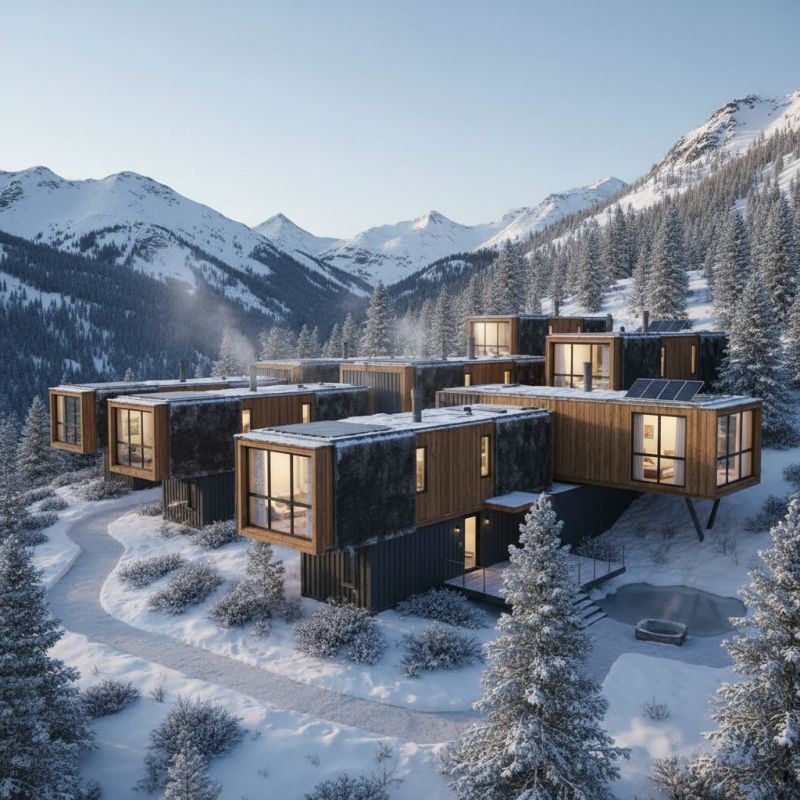
Factors Contributing to Container Homes' Success in Cold Climates
Container homes can adapt remarkably well in cold climates, thanks to various design and structural factors. One key advantage is their structural integrity. Steel containers can withstand heavy snow loads and resist high winds. Insulation is critical in cold weather. Proper insulation materials prevent heat loss and create a cozy living environment. Many container homes use advanced insulation techniques, such as spray foam or rigid board, ensuring warmth in freezing temperatures.
Moreover, strategic orientation plays a significant role. Positioning homes to maximize sunlight can enhance heating naturally. Large windows can capture sunlight, warming interiors during winter days. Heating systems, whether conventional or renewable, are essential. These systems must be efficient to combat extreme cold effectively. Furthermore, building elevation can prevent snow accumulation, reducing winter maintenance.
Sustainability is another factor encouraging the popularity of container homes in frigid areas. Many people are seeking low-impact living. Containers can be repurposed without extensive resource use. However, some drawbacks exist. Poorly insulated homes may struggle to maintain heat. Owners need to carefully consider their designs. This reflection on construction can lead to better practices in the future.
Factors Contributing to Container Homes' Success in Cold Climates
Insulation Solutions for Container Homes in Low Temperatures
Container homes can indeed thrive in cold climates if they are properly insulated. One effective solution is the use of spray foam insulation. This material expands to fill gaps and cracks, creating a tight seal against cold air. The R-value, which measures insulation effectiveness, is significantly boosted with this approach. However, it can be costly and requires professional installation. Some homeowners might overlook this expense, thinking it unnecessary.
Another approach involves using rigid foam boards. These boards provide solid insulation for walls and roofs. They are lightweight and relatively easy to install. Yet, without proper sealing, they can allow air leaks, which may lead to heat loss. This oversight can undermine their effectiveness. Ensuring that seams are tightly secured is crucial for maximizing their insulation potential.
Additionally, using natural materials can be a viable option. Hemp or wool insulation offers excellent thermal performance while being environmentally friendly. Such alternatives might be less conventional but require careful consideration of moisture management. In colder climates, without proper control, they could lead to mold and decay. Striking the right balance is essential for a durable container home in challenging conditions.
Structural Advantages of Container Homes Against Harsh Weather
Container homes offer unique structural advantages that make them ideal for cold climates. Their steel framework provides exceptional durability against harsh winter conditions. Unlike traditional wood structures, these homes do not warp or rot in damp environments. This results in lower maintenance costs over time, which can be a significant benefit for homeowners.
Another advantage is their insulation capacity. Many container homes incorporate high-quality insulating materials. This not only helps to keep the cold outside but also maintains indoor warmth efficiently. However, some designs may overlook ventilation, leading to moisture build-up. It’s crucial to ensure proper airflow to prevent potential issues.
The design flexibility allows for creative solutions, such as adding thermal mass with concrete or stone elements. These features can store heat during the day and release it at night. Still, not all designs take full advantage of this. It's essential to evaluate each home’s specifics to maximize comfort and energy efficiency during extreme weather.
Efficient Heating and Energy Management in Cold Climate Container Homes
Container homes are increasingly popular in cold climates, thanks to their innovative heating solutions. These homes are designed to maximize efficiency, often using advanced insulation techniques. The container's metal structure can be a challenge, but proper insulation keeps the warmth inside. Spray foam insulation is one effective method. It fills every gap, ensuring no heat escapes.
Energy management is crucial for maintaining comfort in subzero temperatures. Container homes often incorporate energy-efficient heating systems. Radiant floor heating is a favored choice. It distributes warmth evenly and reduces energy consumption. Some homes utilize solar panels, harnessing sunlight even during winter months. However, the upfront cost of these systems can be daunting.
While container homes offer many benefits, they are not without challenges. Maintaining consistent temperatures requires regular monitoring. Homeowners must be proactive about potential heat loss. This means investing time in maintenance and upgrades. Solutions are often available, but not every approach works for every situation. Each home is unique, needing tailored design and energy strategies.
Case Studies of Successful Container Home Projects in Cold Areas
Container homes are making strides in cold climates, serving as practical solutions in extreme weather. They are often equipped with robust insulation systems. Reports show that insulated shipping containers can withstand temperatures as low as -30°F (-34°C) when properly modified. Case studies in Canada and Scandinavia shed light on their effectiveness.
In Canada, a container home was built in the Yukon. This project used advanced insulation techniques and triple-glazed windows. The home maintained comfortable temperatures despite harsh winters. However, the project faced challenges, such as higher energy costs than expected. Balancing functionality and affordability can be complicated.
In Norway, a series of container homes thrive near the Arctic Circle. These homes also utilize renewable energy sources, including solar panels, which enhances their sustainability. Yet, homeowners reported issues with condensation and air quality. Continuous improvement is essential for long-term success in these environments. Each project highlights the need for careful planning and adaptation to local conditions.
FAQS
: Spray foam insulation is recommended. It expands to fill gaps and improves the overall R-value.
Yes, it can be costly. Some homeowners may overlook this expense, thinking it unnecessary.
Rigid foam boards are lightweight and easy to install. However, air leaks can occur without proper sealing.
Hemp and wool are good options. They are environmentally friendly but require effective moisture management.
Their steel framework provides excellent durability. Unlike wood, they do not warp or rot in damp conditions.
Moisture build-up can occur, leading to potential problems. Proper airflow is essential for preventing this.
Yes, adding thermal mass like concrete can store heat effectively. However, not all designs utilize this feature well.
Proper sealing prevents air leaks. These gaps can significantly undermine insulation effectiveness.
By using high-quality materials and managing moisture properly. It’s crucial for maintaining the home's structure over time.
Conclusion
Container homes can be used in cold climates effectively due to several key factors that enhance their viability. These homes benefit from advanced insulation solutions specifically designed for low temperatures, ensuring comfort and energy efficiency. Structurally, container homes are robust, allowing them to withstand harsh weather conditions, which is crucial in colder regions. Moreover, efficient heating and energy management systems can be integrated to further optimize energy consumption and maintain a cozy indoor environment.
Case studies of successful container home projects in cold areas demonstrate how innovative design and engineering practices contribute to their performance. These examples highlight the adaptability of container homes, showcasing their potential to thrive even in the most challenging climates while providing sustainable and affordable housing solutions. Thus, the question, "can container homes be used in cold climates?" is confidently answered with a resounding yes.

 JNM HomeTech