Expanding a modular container house can be both exciting and challenging. Understanding how to expand a modular container house is key for owners looking to enhance their living space. Modular homes are versatile, but expansion requires strategic planning and knowledge.
Consider factors like space, design, and budget when thinking about expansion. Assess the current layout and identify areas ready for improvement. Utilizing additional containers or innovative designs can maximize your space and create a unique living environment.
Make sure to collaborate with experienced professionals to ensure proper structural integrity. Local building codes must be reviewed to avoid complications. Reflection on your expansion design will help identify potential pitfalls and opportunities, resulting in a more satisfactory outcome.
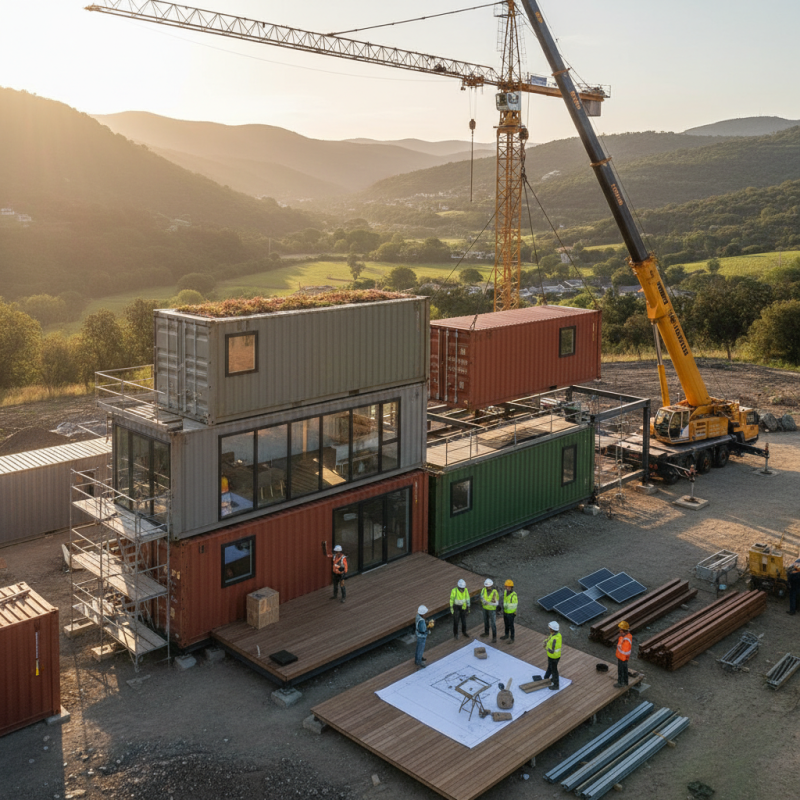
Expanding a modular container house involves creative design choices. One innovative approach is utilizing stackable containers. Stacking allows for vertical growth while saving ground space. This design not only increases living area but also adds unique architectural features.
Another technique is incorporating flexible interior layouts. Modular homes benefit from movable walls or partitions. This adaptability meets changing needs over time. However, careful planning is essential. It’s crucial to ensure that these changes do not compromise structural integrity.
Sustainable materials can enhance the expansion process. Reclaimed wood or eco-friendly insulation options are worth considering. These materials contribute to a more environmentally friendly home. While they can be expensive upfront, long-term savings on energy bills are a significant advantage. Evaluating costs versus benefits is key to making informed decisions.
| Expansion Technique | Description | Advantages | Considerations |
|---|---|---|---|
| Vertical Stacking | Stacking containers to create multiple stories. | Maximizes limited land space, modern aesthetic. | Requires structural reinforcements for safety. |
| Cantilever Design | Extending sections of the container beyond the main structure. | Creates dynamic spaces, unique designs. | Complex structural requirements, may increase costs. |
| Modular Additions | Adding new container modules to the existing structure. | Flexible expansion, easy to customize. | Planning permission may be required for additions. |
| Open Floor Plans | Removing internal walls to create larger spaces. | Promotes natural light and airflow. | May require additional support structures. |
| Incorporating Green Spaces | Designing patios, balconies, or rooftop gardens. | Enhances aesthetics, improves air quality. | Requires maintenance and structural considerations. |
: Smart technologies can reduce energy consumption by up to 30% and enhance living experiences with automated systems.
Utilizing smart furniture like foldable tables and multi-purpose beds can optimize limited spaces effectively.
Intelligent design can lead to a 25% increase in effective usable space, enhancing functionality.
Each family's needs are unique, making a one-size-fits-all approach often ineffective.
Community spaces enhance social interactions and foster a sense of belonging among residents.
Balancing differing resident preferences for green spaces or indoor spots can be quite challenging.
Regular maintenance and continuous resident feedback are essential to prevent neglect and maintain community spirit.
Ensuring inclusivity while meeting diverse preferences can complicate the design process.
Feedback highlights the need for adaptable solutions, urging designers to reflect on user experiences regularly.
Even well-designed spaces can fail if maintenance is neglected, leading to a loss of community engagement.
In the quest to understand how to expand a modular container house, various innovative design techniques can significantly enhance livability and functionality. By incorporating smart technology, homeowners can maximize space management, addressing challenges such as efficient storage and layout optimization. Additionally, sustainable practices not only improve the ecological footprint of container homes but also foster a healthier living environment.
Expanding a modular container house also involves integration of outdoor spaces to increase usable area, transforming balconies, terraces, or even gardens into functional extensions of the home. Furthermore, community-oriented modifications encourage collaboration and interaction among residents, leading to enriched communal living experiences. Through these approaches, individuals can effectively navigate the complexities of container home expansions while creating sustainable and pleasant living environments.

 JNM HomeTech