In recent years, container houses have gained popularity as eco-friendly and affordable housing solutions. However, energy efficiency is a critical concern for homeowners. Understanding how to make a container house energy efficient can greatly reduce energy costs and environmental impact.
To enhance efficiency, consider insulation as a fundamental element. Proper insulation minimizes heat loss in winter and heat gain in summer. Windows also play a crucial role. Selecting double-glazed windows can significantly improve thermal performance. Ventilation is essential, too. Effective airflow can help maintain a comfortable indoor climate.
Landscaping choices can further enhance efficiency. Strategic placement of trees and shrubs can provide natural shade. Though these measures can require investment, the long-term savings are substantial. Reflect on the importance of not only cutting costs but also preserving the environment. Adopting these tips can lead you toward sustainable living in a container home.
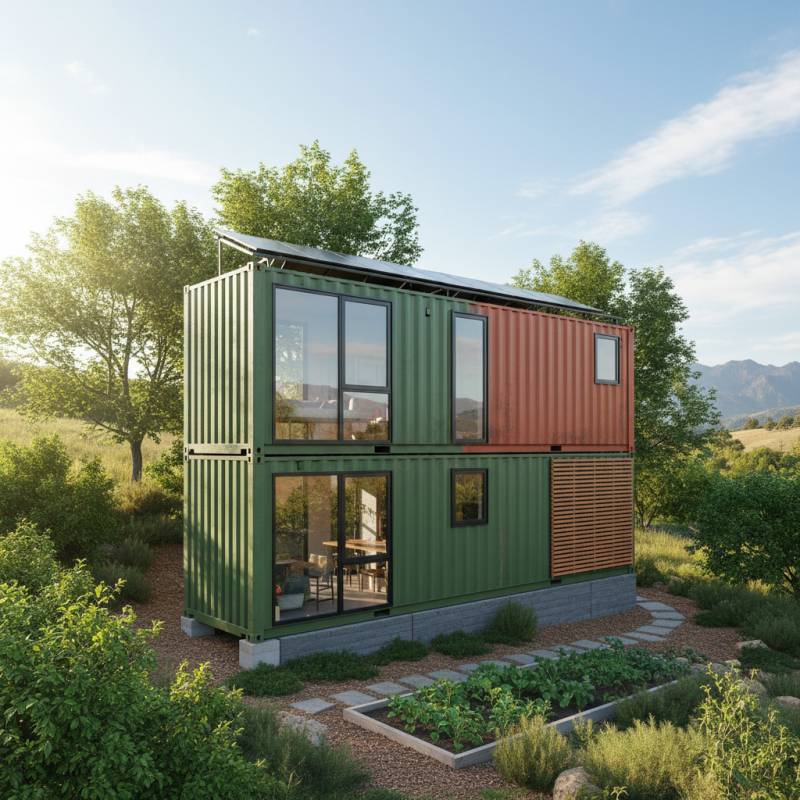
Understanding energy efficiency in container homes is essential for sustainable living and reducing overall costs. These homes, often made from repurposed shipping containers, can consume a significant amount of energy if not designed properly. Proper insulation is crucial. Insulating walls and roofs helps maintain indoor temperatures, reducing heating and cooling needs. Adding high-performance windows can also minimize energy loss while enhancing natural light.
Implementing renewable energy sources can further enhance energy efficiency. Solar panels are a popular choice, allowing homeowners to generate clean energy. Rainwater harvesting systems can support water usage needs, reducing reliance on municipal water supplies. However, not all homes are equipped to maximize these solutions effectively. Some people may overlook the roof's orientation or tree shading, which can affect solar energy capture and ventilation.
Energy-efficient appliances should be prioritized to ensure that daily usage is minimized. While many rely on standard appliances, energy-efficient alternatives are widely available. These can save on electricity bills and reduce carbon footprints. Regular maintenance is key, as neglected systems can lead to wasted energy. Reflecting on these details can lead to better energy management and a more sustainable lifestyle.
| Tip | Description | Benefits |
|---|---|---|
| Insulation | Use high-quality insulation materials to minimize heat loss. | Improves thermal comfort and reduces energy costs. |
| Energy-efficient Windows | Install double or triple-glazed windows. | Enhances insulation and reduces heating and cooling expenses. |
| Solar Panels | Incorporate solar panels into the design for electricity generation. | Cuts energy bills and decreases reliance on the grid. |
| Energy Star Appliances | Choose appliances that are certified energy-efficient. | Lowers utility bills and environmental impact. |
| LED Lighting | Use LED lights instead of traditional bulbs. | Longer lifespan and reduced energy consumption. |
| Passive Solar Design | Design the house to maximize natural light and heat from the sun. | Reduces heating costs and improves indoor comfort. |
| Water-efficient Fixtures | Install low-flow faucets and toilets. | Conserves water and lowers water bills. |
| Smart Home Technology | Utilize smart thermostats and home automation systems. | Enhances energy management and efficiency. |
| Regular Maintenance | Conduct regular checks on insulation, HVAC, and windows. | Maintains optimal performance and efficiency. |
: Consider reclaimed wood, recycled steel, and eco-friendly options. Cellulose insulation is effective and low-impact.
High-quality insulation can reduce heating and cooling costs by up to 30%. This helps cut energy bills.
Evaluate thermal performance and embodied energy. Regularly assess durability and energy use in production.
Install panels on a south-facing roof. Use high-efficiency options to convert more sunlight into energy.
Yes, if in a windy area. They can generate electricity but reliability may vary with weather.
Use LED lighting and Energy Star-rated appliances. Regular checks on energy efficiency are important.
Proper insulation is key. Mini-split systems offer flexibility but require initial investment and maintenance.
A well-designed passive ventilation system reduces mechanical heating needs, aiding energy conservation.
Local temperatures and humidity directly impact insulation effectiveness. Tailor your choices to your environment.
Some recycled materials may have durability issues. Continuous assessment ensures sustainable choices remain effective.
To learn how to make a container house energy efficient, it's essential to understand the principles of energy efficiency in container homes. This involves choosing sustainable building materials that provide effective insulation, which helps maintain a comfortable indoor temperature. Additionally, incorporating solar panels and renewable energy sources significantly reduces reliance on non-renewable energy, further enhancing energy efficiency.
Implementing efficient heating and cooling systems is another crucial step, ensuring that energy consumption is minimized while maintaining comfort. Lastly, utilizing landscaping effectively can enhance natural energy flow around the home, maximizing passive heating and cooling opportunities. By focusing on these strategies, homeowners can create a container house that is not only stylish and functional but also environmentally friendly and energy-efficient.

 JNM HomeTech