The question "are prefab homes cheaper than traditional houses" often arises among potential homebuyers. A report from Statista indicates that the average cost of constructing traditional homes typically ranges between $100 to $200 per square foot. In contrast, prefab homes can be considerably more affordable, sometimes costing as little as $70 to $150 per square foot. This price difference can make prefab homes an attractive option for buyers on a budget.
However, price is not the only factor to consider. While prefab homes may reduce construction costs, they also present unique challenges. Factors such as land acquisition, transport fees, and assembly costs can add to the overall expenses. Additionally, the resale value of prefab homes varies significantly, potentially impacting long-term investments.
Experts advise potential buyers to analyze individual circumstances before deciding. The initial savings of prefab homes can appear enticing, but hidden costs might arise. Understanding the full financial picture is critical. Reflecting on one's needs and the housing market situation will yield better decision-making concerning affordable housing.
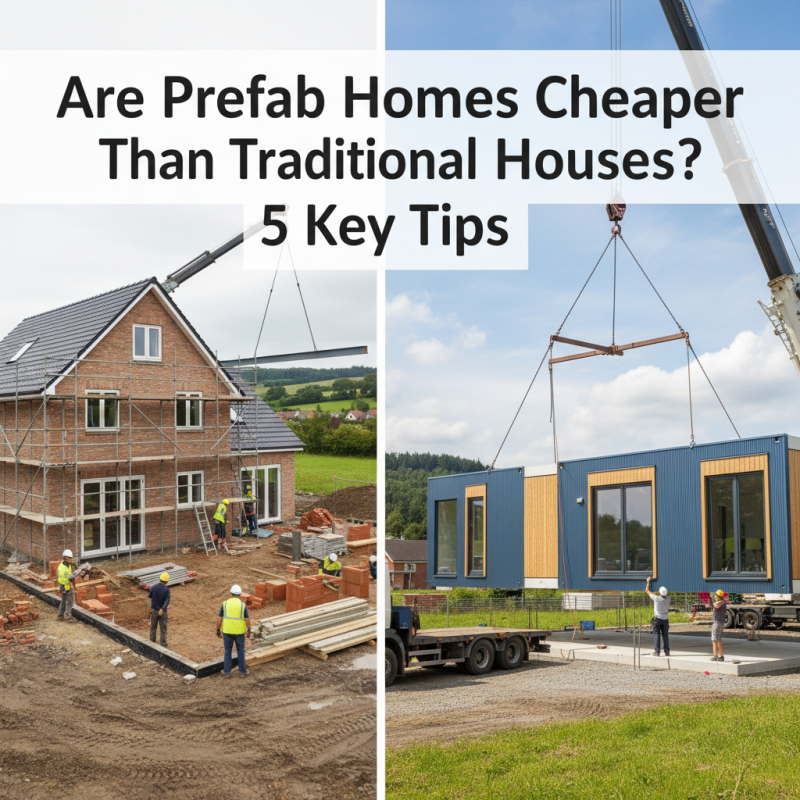
Prefab homes have gained popularity due to their cost benefits. Research indicates they can be 10-20% cheaper than traditional houses. One major reason is the efficient use of materials and pre-designed components. These homes reduce labor costs and construction time significantly. This efficiency can lead to lower overall expenses for buyers.
A report by the National Association of Home Builders reveals that prefab homes often have fewer unforeseen costs. Traditional construction projects sometimes experience delays and budget overruns. This is less common with prefab homes. They are built in controlled environments, minimizing weather-related disruptions. However, some buyers may question the long-term value and resale potential of prefabs. While many appreciate modern designs, others feel traditional homes have more established value.
Homebuyers should consider location, design, and customization options. While prefab homes offer clear financial advantages, personal preferences play a significant role. Some may hesitate due to perceived lack of uniqueness. Understanding these nuances is vital in making an informed decision. Balancing cost with personal desire can help ensure satisfaction with the investment.
This chart compares the average costs of prefab homes and traditional houses. As indicated, prefab homes tend to be significantly cheaper to build, making them an attractive option for those looking to save on construction expenses.
When comparing the costs of prefab homes and traditional houses, several factors come into play. Prefab homes often start off at a lower price point. This initial cost can be appealing for many buyers. However, hidden expenses can arise during the installation and customization phases, which may affect overall savings.
Tip 1: Budget for extra costs. While prefab homes can be cheaper, ensure you account for land, permits, and site preparation. These costs can add up quickly, sometimes closing the gap between prefab and traditional housing.
Moreover, the construction speed of prefab homes can lead to quicker occupancy. This can save money on loans and interest. However, rushed decisions in design may lead to regrets later on. It’s essential to strike a balance between speed and customization.
Tip 2: Research builders thoroughly. Not all manufacturers are equal in quality and service. Reviews and testimonials can offer insights into reliability. A cheaper option may result in higher repair costs later.
In the end, deciding between the two requires careful consideration of both immediate savings and long-term investment.
When exploring the cost of prefab homes, several factors play a vital role. The materials used in construction significantly impact the overall price. High-quality materials may increase costs but ensure longevity and durability.
Location is another critical element. Prices can vary based on land costs and local building regulations. In some areas, labor costs for installation might also rise. These aspects need careful consideration when budgeting for a prefab home.
Looking for ways to save? Here are a few tips. First, research various material options. Sometimes, less expensive materials can be just as effective. Next, consider building in a remote area, where land is cheaper. Lastly, buying in bulk is a great way to cut down costs.
Overall, the price of prefab homes depends on several intertwined factors. Understanding these can help in making informed decisions.
| Factor | Prefab Homes Costs | Traditional Homes Costs | Difference |
|---|---|---|---|
| Basic Structure | $100,000 | $250,000 | -60% |
| Customization | $20,000 | $50,000 | -60% |
| Land Costs | $30,000 | $40,000 | -25% |
| Materials Quality | $15,000 | $35,000 | -57% |
| Construction Time | $10,000 | $30,000 | -67% |
Prefab homes often boast significant long-term savings, particularly in maintenance and energy efficiency. The construction process of these homes emphasizes standardized materials and quality control. This can lead to fewer repairs and longer-lasting components. Homeowners frequently find that their prefab homes require less ongoing upkeep, reducing their overall expenditure over time.
Energy efficiency is another critical aspect where prefab homes excel. Many of these homes are designed with eco-friendly materials and innovative insulation techniques. These features help to minimize energy consumption. Consequently, homeowners often experience lower utility bills. Additionally, some prefab homes incorporate renewable energy solutions, such as solar panels. This enhances their sustainability and fosters a sense of responsibility toward environmental issues.
However, the initial cost savings can be misleading. Some buyers may overlook the long-term investment benefits. Without thorough research, potential issues may arise, such as resale value fluctuations. Building codes and zoning regulations can also complicate matters. Understanding these factors is crucial. Despite these complexities, prefab homes present a compelling case for affordable living with lower future expenses.
Financing a prefab home can differ significantly from traditional houses. Understanding your options is crucial. Many buyers assume that the financing process is the same, but that's misleading. Prefab homes may require unique lending approaches. Traditional mortgages may not apply. Some lenders specialize in these types of homes.
One popular option is a construction loan. This type of loan covers building costs. It usually converts to a traditional mortgage once construction is complete. However, this process can be complicated. Borrowers must provide detailed plans and budgets. Many lenders also ask for a higher credit score.
Another option is personal loans. These loans tend to have higher interest rates. They are generally quicker to secure but come with risks. You might end up paying a lot more in the long run. Investigate local programs that offer assistance for prefab home financing. Some areas provide grants or low-interest loans. Researching thoroughly will help you find the best deals available.
re prefab homes always cheaper than traditional houses?
Include land costs, permits, and site preparation in your budget. These can quickly add up.
Yes, prefab homes can lead to quicker occupancy, saving money on loans and interest.
Quick decisions might lead to regrets later. Balance speed with thoughtful customization.
Research builders thoroughly. Reviews and testimonials can provide valuable insights into quality.
Materials, location, and local regulations significantly affect the overall price of prefab homes.
Yes, explore less expensive materials and consider building in remote areas to save on land costs.
Yes, higher-quality materials may increase upfront costs but ensure durability and longevity.
Land costs and local regulations can vary, affecting your overall budget for the home.
Many buyers overlook potential future repair costs when opting for the cheapest builders.
The article titled "Are Prefab Homes Cheaper Than Traditional Houses? 5 Key Tips" delves into the cost advantages of prefab homes compared to their traditional counterparts. It begins by providing an overview of prefab homes, emphasizing their economic benefits, including lower construction costs and faster build times. The comparison section highlights the essential price differences, shedding light on how prefab homes can be more affordable.
Moreover, the article discusses various factors that influence the pricing of prefab homes, such as materials and design choices. It also examines long-term savings through reduced maintenance and enhanced energy efficiency. Finally, readers are guided through financing options available for purchasing prefab homes, ensuring they are well-informed when considering this alternative. Ultimately, the article answers the key question: are prefab homes cheaper than traditional houses?

JNM HomeTech